-
Capital Spirits Logo

FOR THE THIRSTY

Raise a glass with us #Cheers

FacebookInstagramTikTokYouTube
concierge@capitalspirits.com
AboutLocationsEventsTrack OrderPrivacy PolicyTerms & ConditionsShipping PolicyReturn Policy
VisaMastercardAmerican ExpressApple PayGoogle Pay
Powered by Stripe
© 2026 Capital Spirits. All rights reserved.
APPELLATION

Marsala DOC Wines

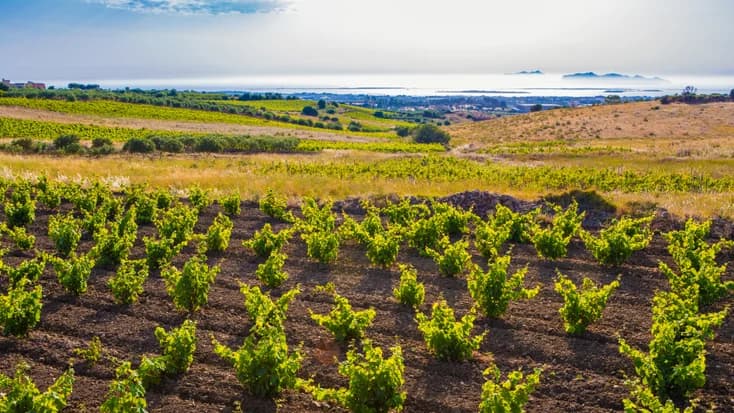
Marsala's fortified wines are defined by their unique aging process and the use of native Sicilian grape varieties like Grillo and Catarratto. Known for their rich, complex flavors, these wines are a staple of Sicilian viticulture.

Collections/Countries/Italy/Sicily/Marsala

About Marsala

Marsala, a fortified wine hailing from the western coast of Sicily, is celebrated for its rich, complex flavors and historical significance. The appellation's wines are crafted using native grape varieties such as Grillo, Catarratto, and Inzolia, which thrive in the region's unique climate and soil conditions. Marsala wines are categorized by their sweetness levels and aging periods, ranging from the youthful Fine to the more mature Vergine and Soleras styles. Producers like Florio - Duca di Salaparuta and Marco de Bartoli are renowned for their commitment to quality, offering a range of Marsala wines that cater to both entry-level enthusiasts and seasoned connoisseurs. With prices varying from affordable options to premium selections, there's a Marsala wine for every budget. The distinct flavor profiles of Marsala wines, characterized by notes of dried fruit, nuts, and caramel, make them versatile companions for a variety of dishes. Whether you're seeking the best Marsala wines for cooking or sipping, this guide will help you navigate the rich offerings of this storied appellation. Choose Marsala for its authenticity, depth, and the unique Sicilian heritage it embodies.

Regulations & Standards

Marsala DOC regulations stipulate that the wines must be fortified with grape spirit and aged for a minimum period, depending on the style. Fine Marsala requires at least one year of aging, while Superiore must age for a minimum of two years. The most prestigious styles, such as Vergine and Soleras, require a minimum of five and ten years of aging, respectively. These regulations ensure the quality and authenticity of Marsala wines, preserving their traditional character and complexity.

Grape Varieties

Marsala wines are primarily made from native Sicilian grape varieties, including Grillo, Catarratto, and Inzolia. Grillo is prized for its ability to produce wines with high alcohol content and rich flavors, making it ideal for the fortified style of Marsala. Catarratto, one of the most widely planted grapes in Sicily, contributes acidity and structure, while Inzolia adds aromatic complexity. These varieties are well-suited to the warm, sunny climate of Sicily, allowing them to develop the concentrated flavors that define Marsala wines.

Soil Composition

The soils of Marsala are predominantly calcareous and sandy, providing excellent drainage and contributing to the rich minerality found in the wines. These soil types, combined with the region's maritime influences, help to produce grapes with concentrated flavors and balanced acidity, essential for the production of high-quality fortified wines. The unique terroir of Marsala plays a crucial role in shaping the distinctive character of its wines.

Climate Characteristics

Marsala's climate is Mediterranean, characterized by hot, dry summers and mild, wet winters. The proximity to the sea moderates temperatures, providing cooling breezes that help maintain acidity in the grapes. This climate is ideal for the cultivation of the native grape varieties used in Marsala production, allowing them to ripen fully while retaining the freshness necessary for balanced wines. The consistent sunshine and warmth contribute to the development of the rich, complex flavors that Marsala wines are known for.

Production Standards

Marsala production involves fortifying the wine with grape spirit to increase its alcohol content, a practice that enhances its longevity and flavor intensity. The wines are aged in wooden casks, which contribute to their distinctive oxidative character and complex flavor profile. The aging process is crucial, as it allows the wines to develop their signature notes of dried fruit, nuts, and caramel, making them unique among fortified wines.

On this page

  • About Marsala
  • Regulations & Standards
  • Grape Varieties
  • Soil Composition
  • Climate Characteristics
  • Production Standards

Frequently Asked Questions

What is Marsala wine and how is it made?
Marsala wine is a fortified wine from the region around the city of Marsala in Sicily, Italy. It is made using local grape varieties such as Grillo, Inzolia, and Catarratto, and is fortified with brandy or neutral grape spirit to increase its alcohol content.
What are the different types of Marsala wine?
Marsala wine is categorized by its color, sweetness, and aging period. The main types are Oro (golden), Ambra (amber), and Rubino (ruby), with sweetness levels ranging from secco (dry) to dolce (sweet), and aging classifications such as Fine, Superiore, and Vergine.
How should Marsala wine be served?
Marsala wine is typically served slightly chilled as an aperitif or at room temperature as a dessert wine. It can also be used in cooking to enhance the flavor of dishes like chicken Marsala or as a reduction sauce.
What food pairs well with Marsala wine?
Dry Marsala pairs well with savory dishes such as roasted meats and aged cheeses, while sweet Marsala complements desserts like tiramisu and pastries. It is also commonly used in Italian cuisine to create rich, flavorful sauces.
Where can I buy authentic Marsala wine online?
Authentic Marsala wine can be purchased from premium online alcohol retailers that specialize in Italian wines. Look for retailers that provide detailed product descriptions and origin information to ensure the authenticity of the Marsala wine.