-
Capital Spirits Logo

FOR THE THIRSTY

Raise a glass with us #Cheers

FacebookInstagramTikTokYouTube
concierge@capitalspirits.com
AboutLocationsEventsTrack OrderPrivacy PolicyTerms & ConditionsShipping PolicyReturn Policy
VisaMastercardAmerican ExpressApple PayGoogle Pay
Powered by Stripe
© 2026 Capital Spirits. All rights reserved.
APPELLATION

Mosel Wine

Mosel's steep slate slopes and cool climate create Rieslings with vibrant acidity and minerality. Explore wines from Selbach-Oster, Dr. Loosen, and more.

Collections/Countries/Germany/Mosel/Mosel

About Mosel

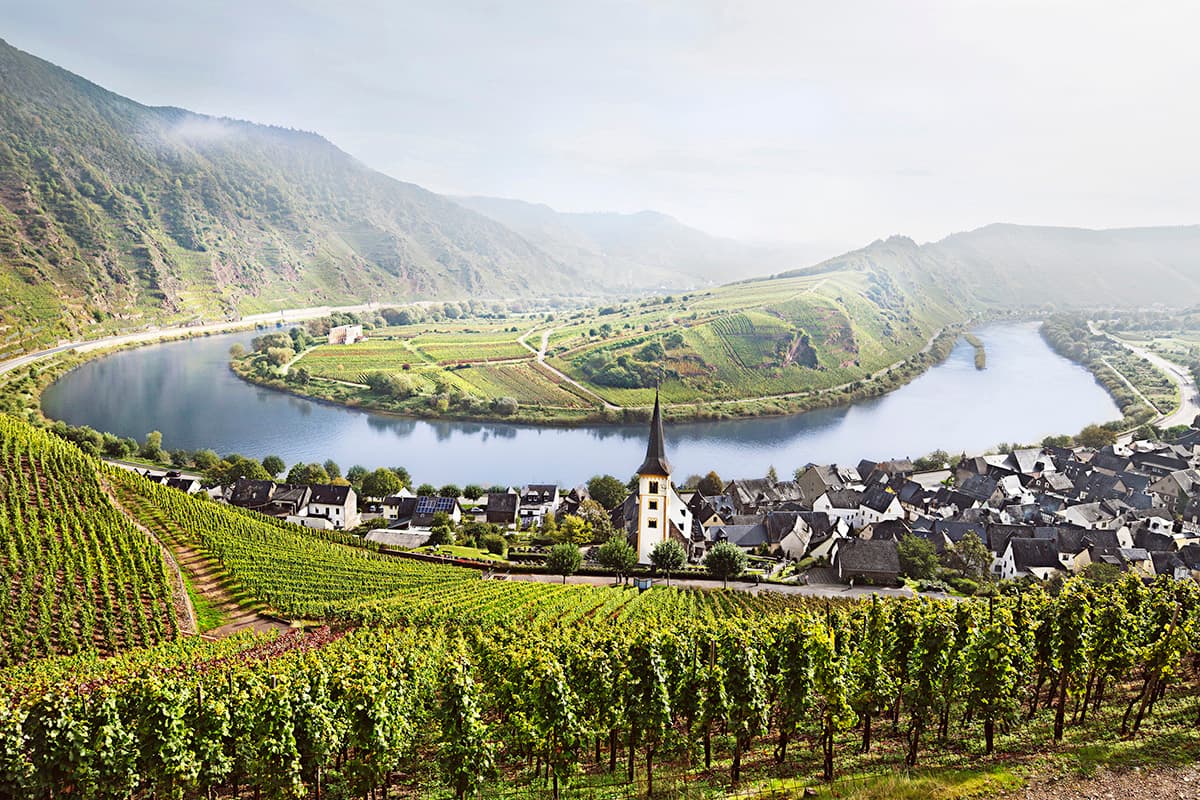
The Mosel wine region, renowned for its steep vineyards and slate soils, is a jewel in Germany's viticultural crown. Known primarily for its Riesling, Mosel produces wines with a distinctive balance of bright acidity and mineral complexity. The region's cool climate and unique terroir contribute to wines that are both age-worthy and expressive of their origin. Riesling dominates the Mosel landscape, offering a spectrum of styles from bone-dry to lusciously sweet. These wines are celebrated for their aromatic intensity, featuring notes of green apple, citrus, and stone fruits, often with a characteristic slate-driven minerality. Producers like Selbach-Oster, Dr. Loosen, and Egon Müller are at the forefront, crafting wines that range from accessible entry-level bottles to prestigious, collectible offerings. The Mosel's steep slopes, particularly in the Middle Mosel, are home to some of the world's most revered vineyards. This challenging terrain requires meticulous hand-harvesting, ensuring only the finest grapes are selected. This dedication to quality is reflected in the wines' precision and elegance. For those seeking to buy Mosel wines, the region offers options across various price points. Entry-level wines provide an excellent introduction to the region's style, while premium selections from producers like Schloss Lieser and Nik Weis offer complexity and depth for the discerning collector. Choosing Mosel means embracing wines that are not only a testament to the region's unique terroir but also a perfect accompaniment to a wide range of cuisines. Whether you're a seasoned aficionado or a curious newcomer, Mosel wines promise an unforgettable tasting experience.

Regulations & Standards

Mosel wines are subject to strict German wine laws, which regulate aspects such as grape varieties, vineyard yields, and quality classifications. The Prädikatswein system categorizes wines based on ripeness levels at harvest, ranging from Kabinett to Trockenbeerenauslese. These classifications help consumers understand the sweetness and style of the wine. Additionally, the steepness of the vineyards necessitates manual harvesting, ensuring that only the best grapes are selected. This meticulous approach upholds the region's reputation for high-quality, expressive wines.

Grape Varieties

Riesling is the undisputed king of the Mosel, thriving in the region's cool climate and slate-rich soils. This grape variety is known for producing wines with high acidity, aromatic complexity, and a range of sweetness levels, from dry (Trocken) to sweet (Auslese, Beerenauslese, and Trockenbeerenauslese). While Riesling is predominant, small quantities of other varieties such as Müller-Thurgau, Elbling, and Pinot Blanc are also cultivated. These varieties contribute to the diversity of the region's wine offerings, though they are less common than Riesling.

Soil Composition

The Mosel region is characterized by its slate soils, which are crucial to the distinct minerality found in its wines. These soils retain heat, helping grapes ripen in the cool climate, and impart a unique flinty character to the wines. The steep, south-facing slopes maximize sun exposure, further enhancing the ripening process. This combination of slate and slope is essential for producing the region's renowned Rieslings, which are celebrated for their vibrant acidity and mineral-driven profiles.

Climate Characteristics

Mosel's climate is cool and continental, with long, mild growing seasons that allow grapes to develop complex flavors while retaining high acidity. The region's proximity to the Mosel River moderates temperatures, reducing the risk of frost and extending the growing season. This climate is ideal for Riesling, which thrives in cooler conditions, resulting in wines with pronounced aromatics, crisp acidity, and a refreshing minerality. The interplay of climate and terroir is key to the distinctive style of Mosel wines.

Production Standards

Winemaking in Mosel often emphasizes minimal intervention to preserve the purity and expression of the terroir. Many producers, such as Selbach-Oster and Dr. Loosen, focus on traditional methods, including spontaneous fermentation with native yeasts and aging in large, old oak casks. This approach allows the natural characteristics of the grapes and the influence of the slate soils to shine through, resulting in wines that are both authentic and reflective of their origin.

On this page

  • About Mosel
  • Regulations & Standards
  • Grape Varieties
  • Soil Composition
  • Climate Characteristics
  • Production Standards

Frequently Asked Questions

What types of wine is the Mosel region known for?
The Mosel region is renowned for its high-quality Riesling wines. These wines are typically light, crisp, and aromatic, with a balance of sweetness and acidity.
How does the terroir of Mosel affect its wine production?
Mosel's steep slate slopes and cool climate contribute to the unique minerality and vibrant acidity of its wines. The slate retains heat, helping grapes ripen fully despite the cooler temperatures.
What are the best food pairings for Mosel Riesling?
Mosel Riesling pairs well with a variety of foods, including spicy Asian dishes, seafood, and light salads. Its acidity and sweetness make it versatile for both sweet and savory dishes.
Are there any notable vineyards or producers in the Mosel region?
Yes, the Mosel region is home to several prestigious vineyards and producers, such as Weingut Dr. Loosen and Weingut Fritz Haag. These producers are known for crafting exceptional Riesling wines that showcase the region's unique characteristics.
What is the typical flavor profile of a Mosel Riesling?
Mosel Rieslings are known for their bright acidity, floral aromas, and flavors of green apple, peach, and citrus. They often have a distinctive minerality due to the slate-rich soils of the region.