-
Capital Spirits Logo

FOR THE THIRSTY

Raise a glass with us #Cheers

FacebookInstagramTikTokYouTube
concierge@capitalspirits.com
AboutLocationsEventsTrack OrderPrivacy PolicyTerms & ConditionsShipping PolicyReturn Policy
VisaMastercardAmerican ExpressApple PayGoogle Pay
Powered by Stripe
© 2026 Capital Spirits. All rights reserved.
REGION

Mosel Wine

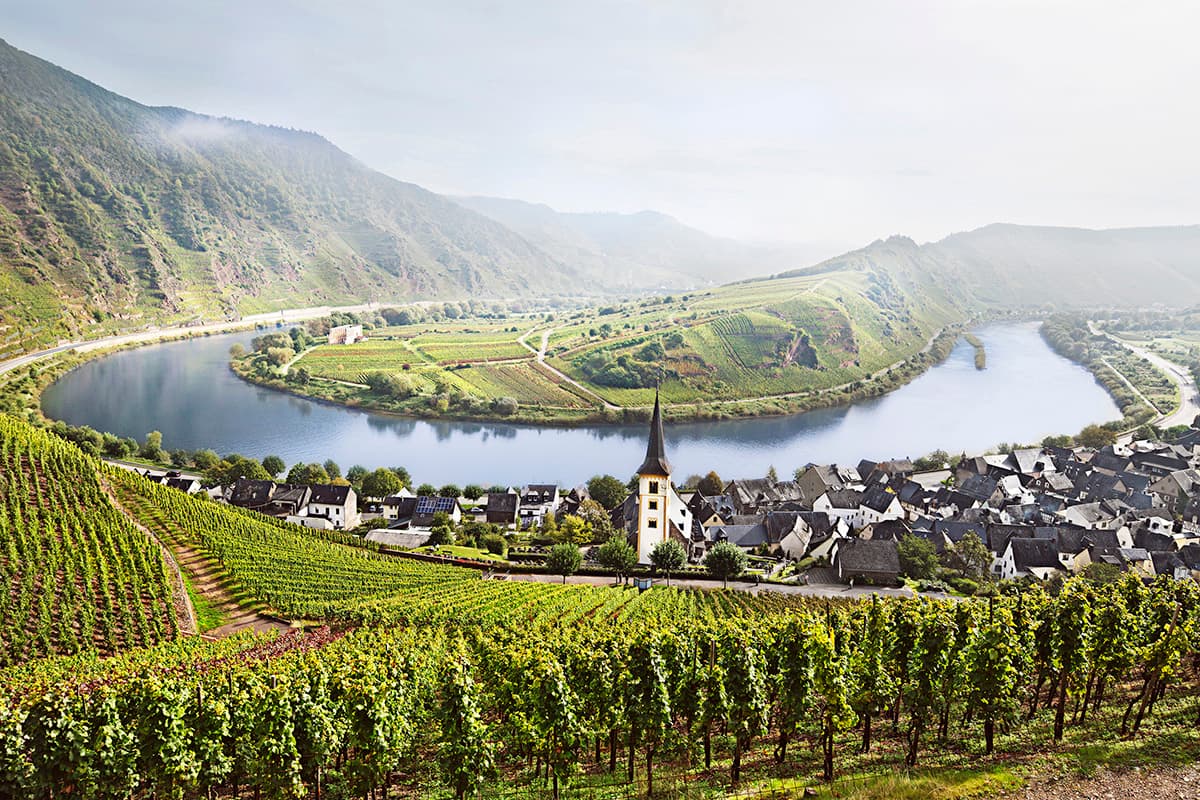
Mosel's steep slate slopes are home to some of the world's most exquisite Rieslings. This German region's unique terroir imparts a delicate minerality and vibrant acidity to its wines, making them highly sought after by connoisseurs.

Collections/Countries/Germany/Mosel

About Mosel

Mosel, a picturesque region in Germany, is renowned for its steep vineyards and slate-rich soils, which are ideal for cultivating Riesling, the dominant grape variety here. The wines from Mosel are celebrated for their delicate balance of sweetness and acidity, often showcasing notes of green apple, peach, and a distinctive minerality. Producers like Selbach-Oster and Dr. Loosen are at the forefront of crafting these elegant wines, each bottle reflecting the unique terroir of the region. The Mosel River meanders through the region, creating a microclimate that is perfect for viticulture. The cool climate and steep slopes allow for a long growing season, resulting in wines with remarkable complexity and finesse. This makes Mosel wines not only a delight to drink but also a worthy addition to any wine collection. With a rich history of winemaking that dates back centuries, Mosel continues to be a beacon of quality and tradition. Producers such as Egon Müller and Nik Weis St. Urbans-Hof uphold these traditions while also embracing modern techniques to enhance the quality of their wines. Whether you are a seasoned wine enthusiast or a curious newcomer, exploring the wines of Mosel offers a journey into one of the most storied and celebrated wine regions in the world.
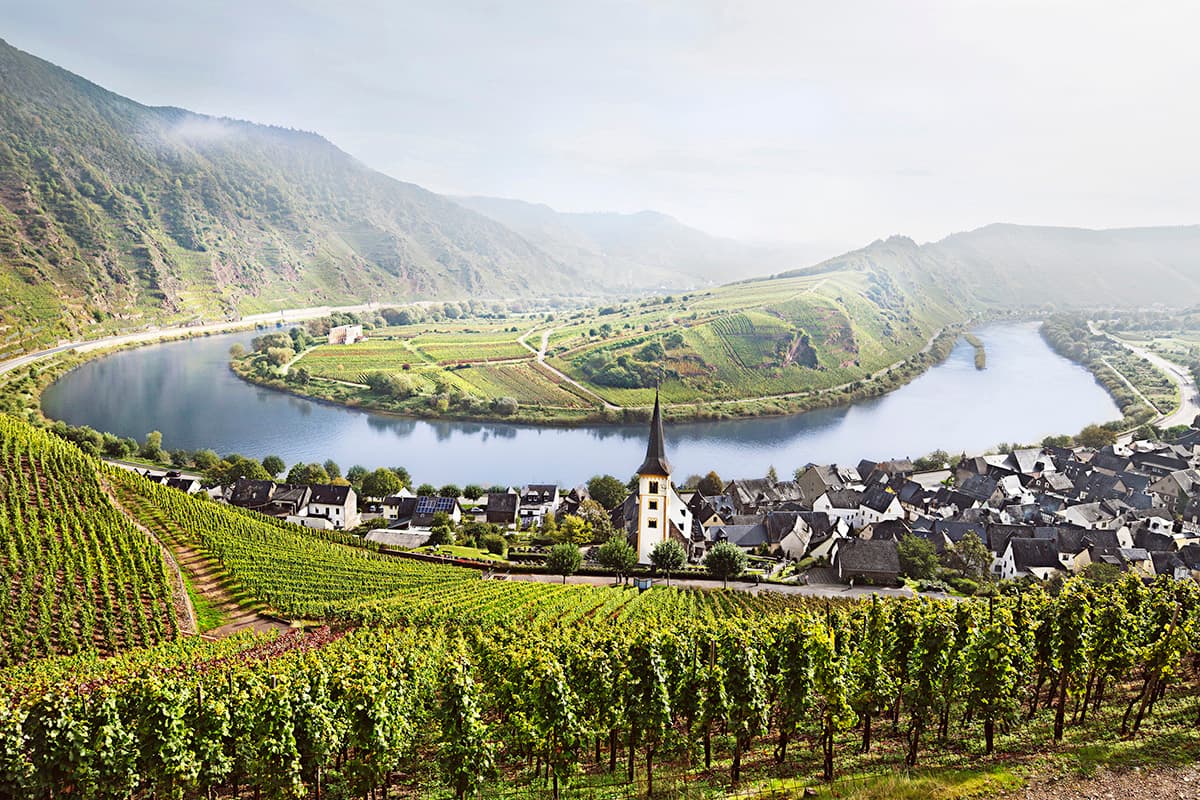
Climate & Terroir of Mosel

The Mosel region is characterized by its steep, south-facing slopes and slate-rich soils, which are crucial for grape cultivation. These conditions allow for optimal sun exposure and heat retention, essential for ripening grapes in the cool climate. The Mosel River moderates temperatures, reducing frost risk and extending the growing season. This unique terroir imparts a signature minerality and vibrant acidity to the wines, particularly Riesling, which thrives in this environment.

Winemaking Traditions

Winemaking in Mosel is deeply rooted in tradition, with a focus on producing high-quality Riesling. The region's steep vineyards require meticulous hand-harvesting, ensuring only the best grapes are selected. Traditional fermentation techniques, often in stainless steel or large oak casks, preserve the purity and freshness of the wines. Many producers, like Dr. Loosen and Selbach-Oster, continue to use these time-honored methods, balancing them with modern innovations to enhance wine quality.

Notable Producers in Mosel

Mosel is home to several esteemed producers who are renowned for their exceptional wines. Dr. Loosen and Selbach-Oster are celebrated for their classic Rieslings, while Egon Müller is known for producing some of the most sought-after wines in the world. Other notable names include Nik Weis St. Urbans-Hof and Schloss Lieser, each contributing to the region's reputation for excellence. These producers uphold Mosel's rich winemaking heritage while pushing the boundaries of quality and innovation.

Food Pairings

Mosel wines, particularly Rieslings, are incredibly versatile with food. Their vibrant acidity and minerality make them a perfect match for spicy Asian cuisine, such as Thai or Indian dishes. They also pair beautifully with seafood, especially shellfish and sushi, enhancing the delicate flavors. For a classic pairing, try Mosel wines with German dishes like schnitzel or bratwurst, where the wine's acidity cuts through the richness of the food.

History of Mosel

The history of winemaking in Mosel dates back to Roman times, when viticulture was first introduced to the region. Over the centuries, Mosel has developed a reputation for producing some of the finest Rieslings in the world. The region's winemaking traditions have been passed down through generations, with many family-owned wineries continuing to operate today. The steep vineyards and unique terroir have always been central to Mosel's identity, shaping the distinctive style of its wines. Despite challenges such as phylloxera and economic shifts, Mosel has remained a bastion of quality and tradition, continually adapting to maintain its esteemed position in the global wine industry.

On this page

  • About Mosel
  • Climate & Terroir of Mosel
  • Winemaking Traditions
  • Notable Producers in Mosel
  • Food Pairings
  • History of Mosel

Frequently Asked Questions

What makes Mosel Riesling unique?
Mosel Riesling is renowned for its high acidity, light body, and distinct minerality, often with notes of green apple and citrus. The steep slate vineyards of the Mosel region contribute to its unique flavor profile, making it one of the most sought-after Rieslings in the world.
How does the terroir of Mosel influence its wines?
The Mosel region's terroir, characterized by steep slopes and slate-rich soils, imparts a distinct minerality and crisp acidity to its wines. This unique environment allows for optimal sun exposure and drainage, crucial for producing high-quality Riesling.
What food pairs well with Mosel wines?
Mosel wines, especially Rieslings, pair excellently with a variety of foods, including spicy Asian dishes, seafood, and light salads. Their acidity and fruitiness complement both sweet and savory flavors, making them versatile for many culinary experiences.
Are Mosel wines typically sweet or dry?
Mosel wines can range from bone dry to lusciously sweet, with the region producing excellent examples of both styles. The sweetness level is often indicated on the label, with terms like 'Trocken' for dry and 'Auslese' or 'Spätlese' for sweeter wines.
What is the best way to store Mosel Riesling?
Mosel Riesling should be stored in a cool, dark place, ideally at a consistent temperature between 45-55°F (7-13°C). Proper storage can enhance the wine's flavors over time, and many Mosel Rieslings have the potential to age beautifully for decades.

Appellations of Mosel

Mosel wines and spirits

Mosel

181

Mosel's steep slate slopes and cool climate create Rieslings with vibrant acidity and minerality. Explore wines from Selbach-Oster, Dr. Loosen, and more.