-
Capital Spirits Logo

FOR THE THIRSTY

Raise a glass with us #Cheers

FacebookInstagramTikTokYouTube
concierge@capitalspirits.com
AboutLocationsEventsTrack OrderPrivacy PolicyTerms & ConditionsShipping PolicyReturn Policy
VisaMastercardAmerican ExpressApple PayGoogle Pay
Powered by Stripe
© 2026 Capital Spirits. All rights reserved.
APPELLATION

Western Cape Wine

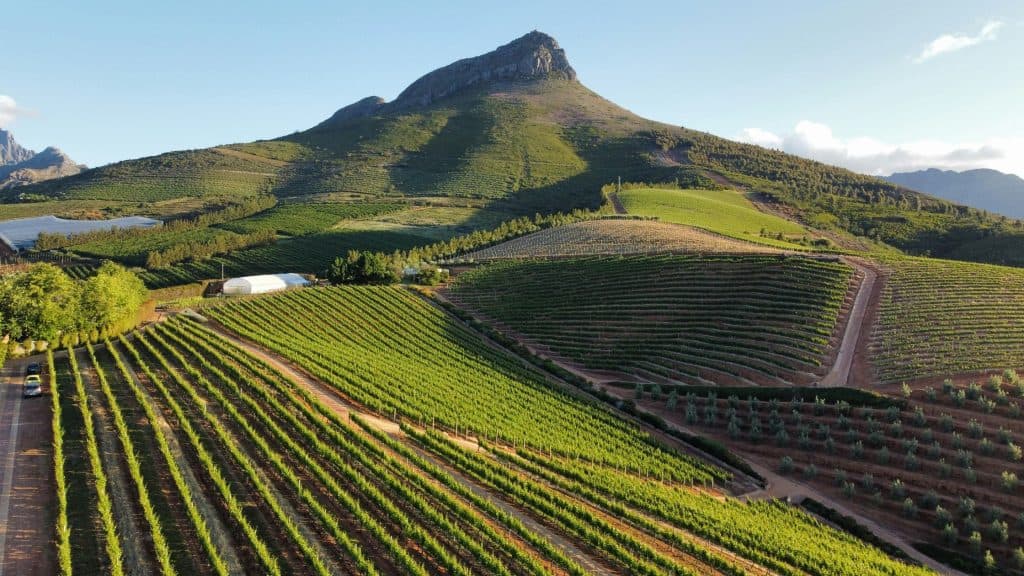
Western Cape is defined by its diverse terroir, allowing for a wide range of grape varieties and wine styles. This region is home to renowned producers like Ken Forrester and Graham Beck, offering wines that showcase the unique characteristics of South Africa's premier wine region.

Collections/Countries/South Africa/Western Cape/Western Cape

About Western Cape

The Western Cape, South Africa's most prominent wine-producing region, is celebrated for its diverse terroir and the exceptional wines it produces. This appellation is home to a variety of climates and soil types, making it ideal for cultivating a wide range of grape varieties. From the crisp, mineral-driven Chenin Blancs of Ken Forrester Vineyards to the robust, fruit-forward Pinotages of Graham Beck, Western Cape wines offer something for every palate. The region's producers, including Braai Wines, Jam Jar Wines, and Indaba Wines, are known for their commitment to quality and innovation. These wineries craft wines that reflect the unique terroir of the Western Cape, with a focus on sustainable practices and traditional winemaking techniques. Western Cape wines are available at various price points, from accessible everyday options to premium selections. Whether you're seeking the best Western Cape wines for a special occasion or simply looking to explore new flavors, this region offers a wealth of choices. Buyers seeking the best Western Cape wine will find a diverse array of styles and flavors. The region's wines are known for their vibrant fruit profiles, balanced acidity, and complex aromas. Whether you're a seasoned wine enthusiast or a curious newcomer, the Western Cape offers a rich tapestry of wines that are sure to delight.

Regulations & Standards

The Western Cape, as part of South Africa's Wine of Origin system, adheres to strict regulations to ensure quality and authenticity. Wines labeled as Western Cape must be produced from grapes grown within the designated area. The region's diverse climates and terroirs allow for a wide range of wine styles, but all must meet the standards set by the Wine and Spirit Board. This includes regulations on grape varieties, production methods, and labeling requirements. The emphasis on quality control ensures that wines from the Western Cape consistently meet high standards, offering consumers confidence in their purchase.

Grape Varieties

The Western Cape is renowned for its diverse grape varieties, with Chenin Blanc, Sauvignon Blanc, and Chardonnay leading the whites, while Cabernet Sauvignon, Shiraz, and Pinotage dominate the reds. Chenin Blanc, often referred to as 'Steen' in South Africa, thrives in the region's varied climates, producing wines that range from fresh and fruity to rich and complex. Pinotage, a uniquely South African grape, is a cross between Pinot Noir and Cinsault, offering bold flavors and a distinctive character. The diversity of grape varieties allows producers like Ken Forrester and Graham Beck to craft a wide range of wine styles, from crisp, refreshing whites to full-bodied, robust reds.

Soil Composition

The Western Cape's soils are as varied as its wines, with granite, sandstone, and shale being the most prominent. These soil types contribute to the complexity and minerality of the wines. Granite soils, found in regions like Stellenbosch, impart a distinct minerality and structure, ideal for growing Chenin Blanc and Cabernet Sauvignon. Sandstone soils, prevalent in areas like Paarl, offer excellent drainage, which is beneficial for Shiraz and Pinotage. The diversity of soil types across the Western Cape allows for a wide range of wine styles, each with its own unique expression of terroir.

Climate Characteristics

The Western Cape benefits from a Mediterranean climate, characterized by warm, dry summers and cool, wet winters. The proximity to the Atlantic and Indian Oceans provides a cooling effect, which is crucial for maintaining acidity and freshness in the wines. This maritime influence, combined with the region's diverse topography, creates microclimates that are ideal for growing a wide range of grape varieties. The cool coastal breezes help to preserve the aromatic intensity and vibrant fruit flavors in the wines, making the Western Cape a prime location for producing high-quality wines.

Production Standards

Winemaking in the Western Cape is characterized by a blend of traditional techniques and modern innovations. Many producers, such as Reyneke and Savage Wines, focus on sustainable and organic practices, minimizing chemical use and promoting biodiversity. The use of oak barrels for aging, particularly in red wines, is common, adding complexity and depth to the wines. The region's winemakers are known for their attention to detail and commitment to expressing the unique terroir of the Western Cape in every bottle.

On this page

  • About Western Cape
  • Regulations & Standards
  • Grape Varieties
  • Soil Composition
  • Climate Characteristics
  • Production Standards

Frequently Asked Questions

What types of wine are produced in the Western Cape?
The Western Cape is renowned for its diverse wine production, including varieties like Chenin Blanc, Sauvignon Blanc, Cabernet Sauvignon, and Pinotage. The region's Mediterranean climate and varied terroir contribute to the production of both red and white wines with distinct characteristics.
What makes Western Cape wines unique?
Western Cape wines are unique due to the region's diverse microclimates and soil types, which allow for a wide range of grape varieties and styles. The influence of the Atlantic and Indian Oceans also provides cooling breezes that enhance the wines' complexity and balance.
Are there any famous wine estates in the Western Cape?
Yes, the Western Cape is home to several renowned wine estates such as Stellenbosch, Franschhoek, and Constantia. These estates are known for their rich history, award-winning wines, and picturesque landscapes.
What is the best time of year to visit Western Cape wineries?
The best time to visit Western Cape wineries is during the harvest season, which typically runs from February to April. During this period, visitors can experience the vibrant atmosphere of the vineyards and participate in wine tastings and tours.
How does the climate of the Western Cape affect its wine production?
The Mediterranean climate of the Western Cape, characterized by wet winters and hot, dry summers, is ideal for viticulture. This climate, along with the cooling oceanic influences, helps produce wines with balanced acidity and ripe fruit flavors.