-
Capital Spirits Logo

FOR THE THIRSTY

Raise a glass with us #Cheers

FacebookInstagramTikTokYouTube
concierge@capitalspirits.com
AboutLocationsEventsTrack OrderPrivacy PolicyTerms & ConditionsShipping PolicyReturn Policy
VisaMastercardAmerican ExpressApple PayGoogle Pay
Powered by Stripe
© 2026 Capital Spirits. All rights reserved.
APPELLATION

Swartland Wine

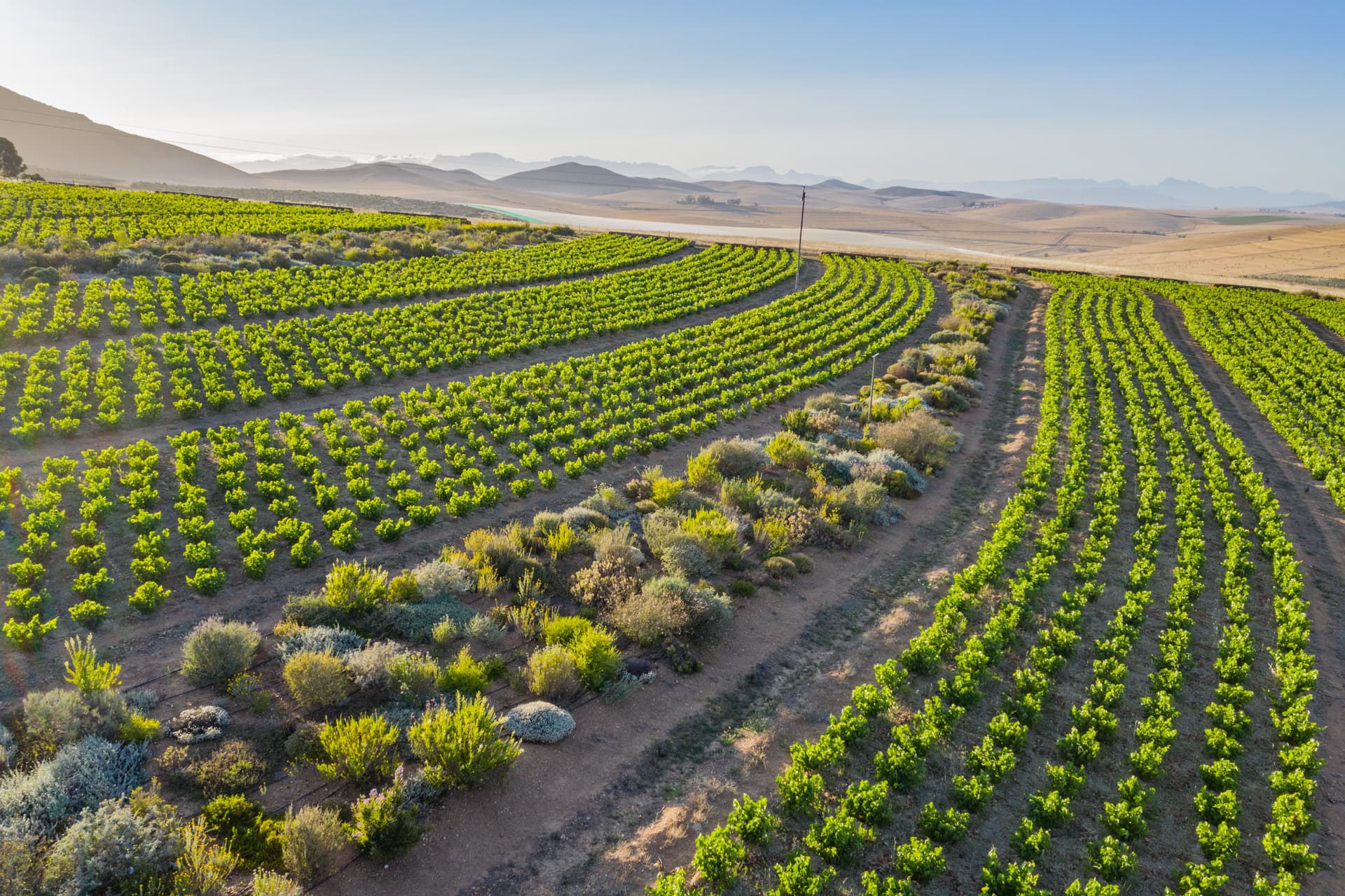
Swartland's diverse terroir and innovative winemaking techniques create wines of remarkable depth and complexity. Known for its old vine Chenin Blanc and Syrah, Swartland offers a unique expression of South African viticulture.

Collections/Countries/South Africa/Western Cape/Swartland

About Swartland

Swartland, located in the Western Cape of South Africa, is a wine appellation celebrated for its bold and characterful wines. The region's defining feature is its diverse terroir, which includes a mix of granite, shale, and sandstone soils. These soils, combined with the area's warm, dry climate, allow for the cultivation of robust grape varieties like Chenin Blanc and Syrah. Swartland's wines are known for their depth, complexity, and a distinctive sense of place. Producers such as Mullineux and A.A. Badenhorst have been instrumental in elevating the region's reputation, crafting wines that reflect Swartland's unique terroir. Mullineux, for instance, is renowned for its Syrah, which offers a rich, spicy profile with a touch of earthiness. A.A. Badenhorst, on the other hand, is celebrated for its innovative blends and old vine Chenin Blanc, characterized by vibrant acidity and minerality. Swartland wines cater to a range of budgets, from entry-level offerings that provide excellent value to premium bottles that showcase the pinnacle of the region's winemaking prowess. Whether you're seeking the best Swartland wines for a special occasion or looking to explore the region's offerings, you'll find a diverse selection that caters to various palates and preferences. Choosing Swartland means embracing wines that are not only delicious but also tell the story of a region that has become a beacon of quality and innovation in South African viticulture. With a focus on sustainable practices and minimal intervention, Swartland wines are a testament to the region's commitment to authenticity and excellence.

Regulations & Standards

Swartland is governed by South Africa's Wine of Origin (WO) system, which ensures that wines labeled as Swartland meet specific criteria. These regulations stipulate that wines must be produced from grapes grown within the designated area and adhere to quality standards set by the WO. While there are no strict varietal restrictions, the focus is on producing wines that reflect the region's terroir. Winemakers in Swartland often embrace minimal intervention techniques, allowing the natural characteristics of the grapes and soils to shine through in the final product.

Grape Varieties

Swartland is home to a variety of grape types, with Chenin Blanc and Syrah being the most prominent. Chenin Blanc thrives in the region's warm climate, producing wines with vibrant acidity and a range of flavors from stone fruit to honeyed notes. Syrah, another key variety, benefits from the diverse soils, resulting in wines that are rich and spicy with a distinct minerality. Other varieties include Grenache, Mourvèdre, and Cinsault, often used in blends to create complex and layered wines. The diversity of grape varieties allows winemakers to craft both single-varietal wines and innovative blends that capture the essence of Swartland.

Soil Composition

Swartland's soils are a complex mix of granite, shale, and sandstone, each contributing to the unique character of the wines. Granite soils are known for imparting structure and minerality, particularly in Syrah, while shale and sandstone offer excellent drainage, crucial for maintaining vine health in the region's dry climate. These soil types allow for deep root systems, which help vines access essential nutrients and water, resulting in wines with depth and complexity. The varied soil composition is a key factor in Swartland's ability to produce wines with distinctive terroir-driven profiles.

Climate Characteristics

Swartland's climate is characterized by warm, dry summers and mild, wet winters, creating ideal conditions for grape growing. The region benefits from the cooling influence of the Atlantic Ocean, which helps moderate temperatures and preserve acidity in the grapes. This climate allows for the production of ripe, concentrated fruit, essential for crafting bold and expressive wines. The combination of ample sunshine and cooling breezes ensures that grapes achieve full phenolic ripeness while retaining freshness, a hallmark of Swartland wines.

Production Standards

Swartland winemakers are known for their commitment to sustainable and minimal intervention practices. This approach includes the use of natural fermentation, limited use of new oak, and a focus on expressing the unique terroir of the region. By prioritizing these methods, producers aim to create wines that are authentic and true to their origins. The emphasis on quality over quantity ensures that Swartland wines maintain their reputation for excellence and distinctiveness.

On this page

  • About Swartland
  • Regulations & Standards
  • Grape Varieties
  • Soil Composition
  • Climate Characteristics
  • Production Standards

Frequently Asked Questions

What types of wine is Swartland known for?
Swartland is renowned for its diverse range of wines, particularly its robust red blends and distinctive white wines. The region is celebrated for producing exceptional Syrah, Chenin Blanc, and Grenache wines.
Why are Swartland wines unique?
Swartland wines are unique due to the region's dry climate and diverse terroir, which contribute to the wines' complexity and depth. The use of minimal intervention winemaking techniques also enhances the expression of the natural characteristics of the grapes.
What is the best time to buy Swartland wines?
Swartland wines are available year-round, but many wine enthusiasts prefer to purchase them during the release of new vintages, typically in the late summer or early autumn. This timing allows buyers to experience the latest expressions of the region's unique terroir.
How should Swartland wines be stored?
Swartland wines should be stored in a cool, dark place with a consistent temperature, ideally between 12-15°C (54-59°F). Proper storage will help preserve the wine's quality and allow it to develop its full potential over time.
Are Swartland wines suitable for aging?
Many Swartland wines, particularly the red blends and Syrahs, are well-suited for aging due to their robust structure and tannins. Aging can enhance their complexity and depth, with some wines benefiting from 5 to 10 years of cellaring.