-
Capital Spirits Logo

FOR THE THIRSTY

Raise a glass with us #Cheers

FacebookInstagramTikTokYouTube
concierge@capitalspirits.com
AboutLocationsEventsTrack OrderPrivacy PolicyTerms & ConditionsShipping PolicyReturn Policy
VisaMastercardAmerican ExpressApple PayGoogle Pay
Powered by Stripe
© 2026 Capital Spirits. All rights reserved.
APPELLATION

Veneto Wine Selection

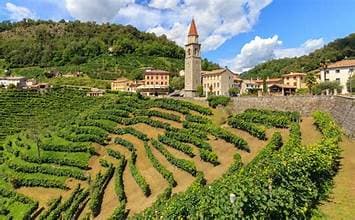
Veneto's diverse terroir and microclimates allow for a wide range of wine styles, from the sparkling Prosecco to the robust Amarone. This region's wines are crafted by esteemed producers like Zenato and Pasqua, offering something for every palate.

Collections/Countries/Italy/Veneto/Veneto

About Veneto

Veneto, a prominent wine region in northeastern Italy, is celebrated for its diverse range of wines, thanks to its varied terroir and microclimates. This region produces everything from the light and effervescent Prosecco to the rich and complex Amarone. Veneto's wines are crafted with precision by renowned producers such as Zenato, Pasqua, and Tenuta Sant'Antonio, each bringing their unique touch to the region's offerings. The dominant grape varieties in Veneto include Glera, used in Prosecco, and Corvina, Rondinella, and Molinara, which are essential for Amarone and Valpolicella wines. These wines are known for their vibrant acidity, aromatic profiles, and, in the case of Amarone, a distinctive dried fruit character due to the appassimento process. Veneto wines cater to a broad range of tastes and budgets. Entry-level wines like those from I Heart Wines and Stella Rosa offer excellent value, while premium selections from Zenato and Pasqua provide a more luxurious experience. Whether you're seeking a refreshing white or a bold red, Veneto's offerings are sure to delight. Buyers should choose Veneto wines for their versatility and quality. The region's commitment to traditional winemaking techniques, combined with innovative approaches, ensures that each bottle reflects the unique character of its origin. Explore our selection to find the best Veneto wines that suit your taste and occasion.

Regulations & Standards

Veneto's wine production is governed by strict DOC and DOCG regulations, ensuring quality and authenticity. Prosecco DOC requires a minimum of 85% Glera grapes, while Amarone della Valpolicella DOCG mandates a drying period for grapes, known as appassimento, before fermentation. Soave DOC wines must primarily use Garganega grapes. These regulations ensure that each wine reflects the traditional characteristics of its appellation.

Grape Varieties

Veneto is home to a variety of grape types, each contributing to the region's diverse wine styles. Glera is the primary grape for Prosecco, known for its light, aromatic qualities. Corvina, Rondinella, and Molinara are integral to the production of Amarone and Valpolicella, offering rich, complex flavors with notes of cherry and spice. Garganega is the backbone of Soave wines, providing crisp acidity and citrus notes. Other notable varieties include Merlot, Cabernet Sauvignon, and Pinot Grigio, which thrive in Veneto's varied microclimates.

Soil Composition

The soils of Veneto are as varied as its wines, ranging from volcanic in the Soave region to limestone and clay in Valpolicella. These diverse soil types contribute to the unique character of Veneto wines, influencing everything from minerality to acidity. The volcanic soils impart a distinct minerality to Soave wines, while the clay-rich soils of Valpolicella enhance the structure and depth of its reds.

Climate Characteristics

Veneto's climate is predominantly continental, with significant influence from the Adriatic Sea and the Alps. This results in warm summers and cool winters, ideal for grape growing. The region's microclimates allow for a wide range of wine styles, from the fresh and zesty whites of the coastal areas to the robust reds of the inland hills. The diurnal temperature variation helps maintain acidity and balance in the wines.

Production Standards

Winemaking in Veneto combines traditional methods with modern innovation. The appassimento process, used for Amarone, involves drying grapes to concentrate flavors. Prosecco production follows the Charmat method, preserving the fresh, fruity character of the wine. Across the region, there is a focus on sustainable practices and quality control, ensuring that Veneto wines meet high standards of excellence.

On this page

  • About Veneto
  • Regulations & Standards
  • Grape Varieties
  • Soil Composition
  • Climate Characteristics
  • Production Standards

Frequently Asked Questions

What types of wine is Veneto known for?
Veneto is renowned for its diverse range of wines, including Prosecco, Amarone della Valpolicella, and Soave. The region produces both red and white wines, with a strong emphasis on quality and tradition.
How does Amarone della Valpolicella differ from other red wines?
Amarone della Valpolicella is a unique red wine made using partially dried grapes, which concentrates the flavors and sugars. This process results in a full-bodied wine with rich, complex flavors and higher alcohol content compared to typical red wines.
What is the best way to serve Prosecco from Veneto?
Prosecco from Veneto is best served chilled, typically between 6-8°C (43-46°F). It is often enjoyed as an aperitif or paired with light dishes such as seafood, salads, and appetizers.
What are the main grape varieties used in Veneto wines?
The main grape varieties in Veneto include Glera for Prosecco, Corvina and Rondinella for Amarone and Valpolicella, and Garganega for Soave. These grapes are integral to the region's signature wines and contribute to their distinct flavors.
Is Veneto wine suitable for aging?
Certain wines from Veneto, such as Amarone della Valpolicella, are well-suited for aging due to their robust structure and high tannin content. These wines can develop more complex flavors over time, making them ideal for cellaring.