-
Capital Spirits Logo

FOR THE THIRSTY

Raise a glass with us #Cheers

FacebookInstagramTikTokYouTube
concierge@capitalspirits.com
AboutLocationsEventsTrack OrderPrivacy PolicyTerms & ConditionsShipping PolicyReturn Policy
VisaMastercardAmerican ExpressApple PayGoogle Pay
Powered by Stripe
© 2026 Capital Spirits. All rights reserved.
APPELLATION

Valpolicella Wine

Valpolicella wines are crafted predominantly from Corvina, Rondinella, and Molinara grapes, offering a vibrant expression of Veneto's terroir. Known for their bright cherry flavors and balanced acidity, these wines are a staple for enthusiasts seeking authenticity.

Collections/Countries/Italy/Veneto/Valpolicella

About Valpolicella

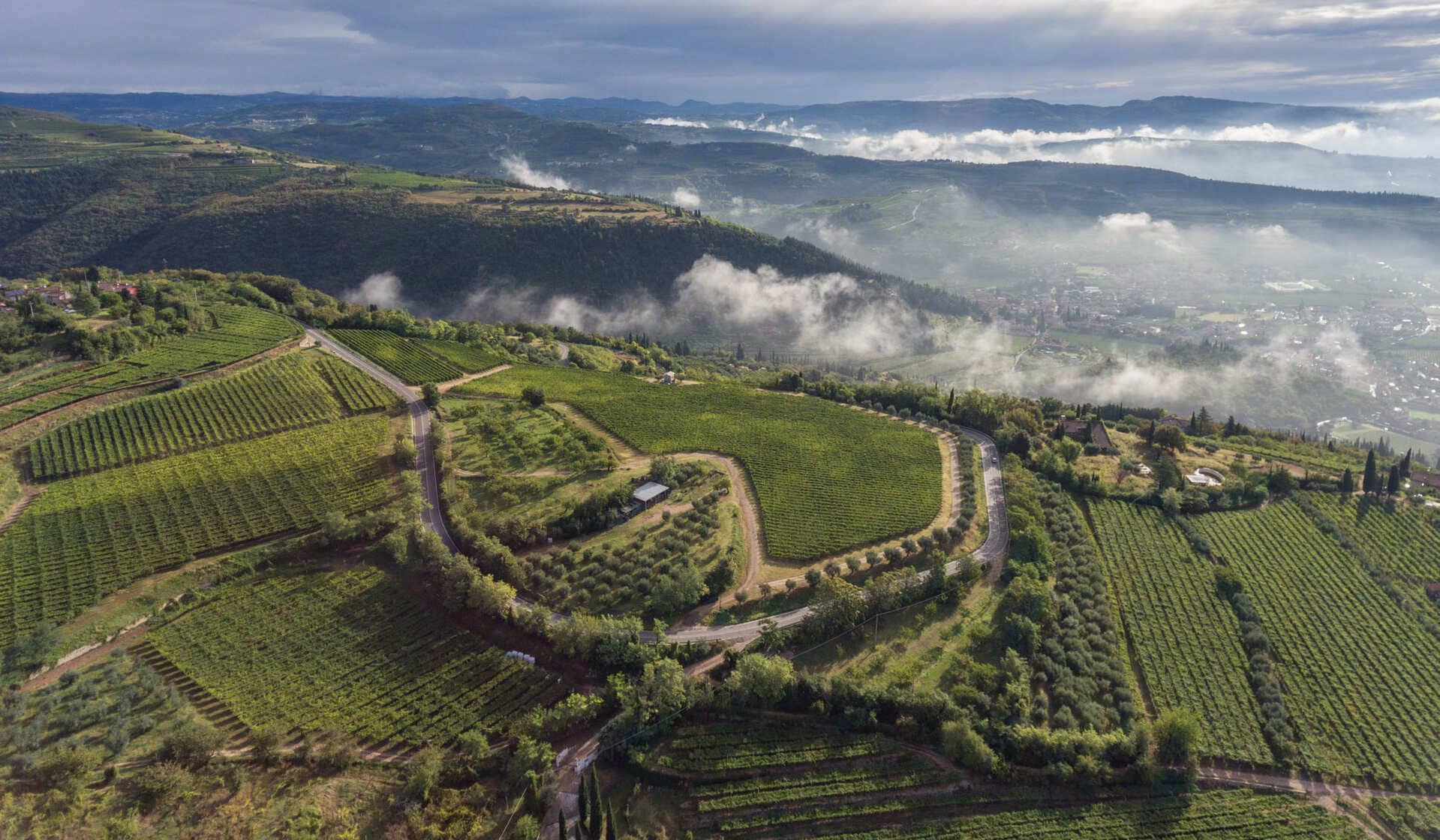
Valpolicella, nestled in the Veneto region of Italy, is a wine appellation celebrated for its vibrant and approachable red wines. The primary grape varieties include Corvina, Rondinella, and Molinara, each contributing to the wine's distinctive character. Corvina imparts cherry and herbaceous notes, Rondinella adds floral nuances, and Molinara provides acidity and freshness. Valpolicella wines are typically light to medium-bodied, with flavors ranging from fresh red fruits to more complex dried fruit notes in styles like Amarone and Ripasso. Producers such as Allegrini, Masi, and Tedeschi are renowned for their craftsmanship, offering wines that range from everyday drinking options to premium selections. Entry-level Valpolicella wines are perfect for casual dining, while the more structured Amarone della Valpolicella, with its rich, full-bodied profile, is ideal for special occasions. When considering a purchase, look for wines that highlight the appellation's signature balance of fruitiness and acidity. Valpolicella wines are versatile, pairing well with a variety of dishes, making them a must-have for any wine enthusiast's collection. Whether you're seeking the best Valpolicella wines or simply exploring the region, our selection offers something for every palate and budget.

Regulations & Standards

Valpolicella DOC regulations stipulate that wines must be made primarily from Corvina, Rondinella, and Molinara grapes. The wines can be produced in several styles, including Valpolicella Classico, Superiore, Ripasso, and Amarone. Amarone della Valpolicella, a more intense style, requires grapes to be dried before fermentation, concentrating flavors and sugars. Ripasso involves re-fermenting Valpolicella wine on the lees of Amarone, enhancing body and complexity. Aging requirements vary, with Superiore needing at least one year of maturation.

Grape Varieties

Valpolicella wines are primarily made from Corvina, Rondinella, and Molinara grapes. Corvina is the dominant variety, known for its bright cherry flavors and subtle herbaceous notes. Rondinella complements with floral and slightly spicy characteristics, while Molinara contributes acidity and freshness. These grapes thrive in the region's climate and soils, producing wines with a distinctive balance of fruit and structure. Other permitted varieties include Corvinone, which can be used as a substitute for Corvina, adding depth and complexity to the wines.

Soil Composition

The soils of Valpolicella are predominantly limestone and clay, with some areas featuring volcanic basalt. These diverse soil types contribute to the complexity and minerality of the wines. Limestone-rich soils enhance the aromatic profile and acidity, while clay provides structure and depth. The varied topography, including hills and valleys, allows for a range of microclimates, further influencing the character of the wines produced in this appellation.

Climate Characteristics

Valpolicella enjoys a temperate climate with warm summers and mild winters, influenced by the nearby Lake Garda and the Lessini Mountains. This climate allows for a long growing season, essential for the gradual ripening of grapes. The diurnal temperature variation, with warm days and cool nights, helps preserve acidity and develop aromatic complexity in the wines. This balance of conditions is crucial for producing wines with vibrant fruit flavors and a refreshing finish.

Production Standards

Valpolicella winemaking often involves traditional techniques such as appassimento, where grapes are partially dried to concentrate flavors, particularly in Amarone and Ripasso styles. Fermentation temperatures and durations are carefully controlled to preserve the delicate fruit aromas and maintain balance. Oak aging is commonly used to add complexity and structure, especially in higher-end wines. These practices ensure that Valpolicella wines maintain their characteristic freshness and vibrant fruit profiles.

On this page

  • About Valpolicella
  • Regulations & Standards
  • Grape Varieties
  • Soil Composition
  • Climate Characteristics
  • Production Standards

Frequently Asked Questions

What types of wine are produced in Valpolicella?
Valpolicella is renowned for its red wines, primarily made from Corvina, Rondinella, and Molinara grape varieties. The region produces several styles, including Valpolicella Classico, Valpolicella Superiore, and the more robust Amarone della Valpolicella.
What is the difference between Amarone and Valpolicella wines?
Amarone della Valpolicella is a full-bodied, dry red wine made from partially dried grapes, which gives it a rich, complex flavor profile. In contrast, standard Valpolicella wines are typically lighter, fresher, and more fruit-forward, offering a different tasting experience.
How should I serve Valpolicella wine?
Valpolicella wines are best served slightly chilled, at around 16-18°C (60-64°F). Amarone, being more robust, can be served at a slightly warmer temperature, around 18-20°C (64-68°F), to fully appreciate its depth and complexity.
What foods pair well with Valpolicella wines?
Valpolicella wines pair well with a variety of foods, including pasta dishes, grilled meats, and hard cheeses. Amarone, with its rich flavors, complements hearty dishes like stews, roasted meats, and aged cheeses.
How long can I age Valpolicella wines?
While standard Valpolicella wines are typically enjoyed young, within a few years of release, Amarone della Valpolicella can benefit from aging. Amarone can be aged for 10-20 years or more, developing greater complexity and depth over time.