-
Capital Spirits Logo

FOR THE THIRSTY

Raise a glass with us #Cheers

FacebookInstagramTikTokYouTube
concierge@capitalspirits.com
AboutLocationsEventsTrack OrderPrivacy PolicyTerms & ConditionsShipping PolicyReturn Policy
VisaMastercardAmerican ExpressApple PayGoogle Pay
Powered by Stripe
© 2026 Capital Spirits. All rights reserved.
APPELLATION

Soave Wine DOC

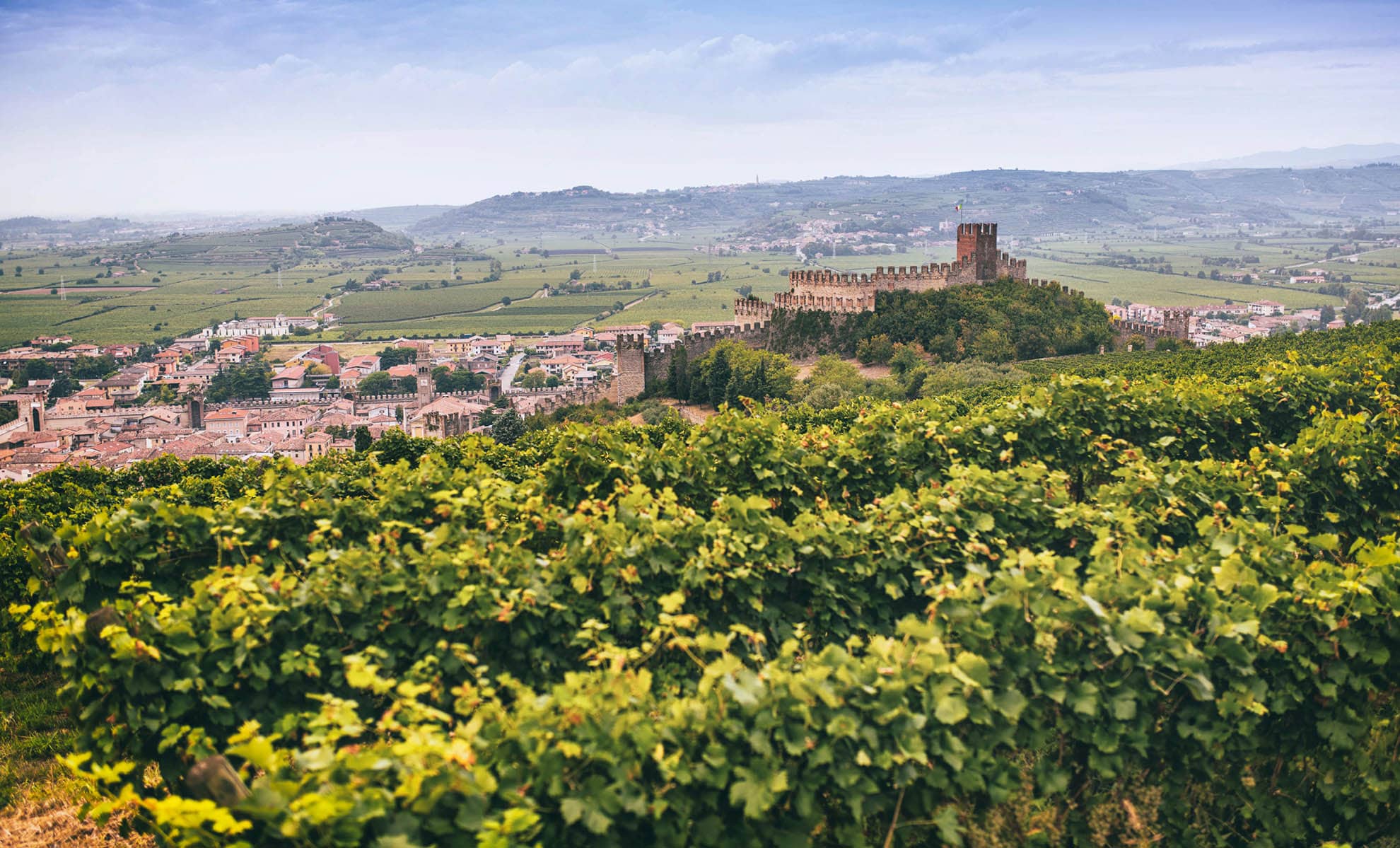
Soave wines are defined by their use of the Garganega grape, which thrives in the volcanic and limestone-rich soils of Veneto. This appellation produces elegant, mineral-driven white wines.

Collections/Countries/Italy/Veneto/Soave

About Soave

Soave, a renowned wine appellation in the Veneto region of Italy, is celebrated for its elegant white wines primarily made from the Garganega grape. This appellation's wines are characterized by their crisp acidity, floral aromas, and mineral undertones, making them a favorite among white wine enthusiasts. The volcanic and limestone-rich soils of Soave provide an ideal terroir for Garganega, imparting a distinct minerality and complexity to the wines. Key producers like Pieropan, Suavia, and Inama have been instrumental in elevating Soave's reputation on the global stage. These producers craft wines that range from approachable, everyday bottles to more complex, age-worthy selections. Soave wines are versatile, pairing beautifully with a variety of dishes, from seafood to light pastas. When searching for the best Soave wines, consider the balance of fruit and acidity, as well as the presence of floral and almond notes. The price range for Soave wines varies, with entry-level bottles offering great value and premium selections showcasing the depth and elegance of the appellation. Whether you're a seasoned wine collector or a casual enthusiast, Soave offers a delightful exploration of Italian white wines. For those looking to buy Soave, this appellation provides a perfect blend of tradition and innovation, making it a must-have in any wine collection.

Regulations & Standards

Soave DOC regulations stipulate that wines must be made from at least 70% Garganega, with the remainder typically composed of Trebbiano di Soave or Chardonnay. The wines must achieve a minimum alcohol content of 10.5% and are often aged in stainless steel to preserve their fresh, fruity character. Soave Superiore DOCG, a higher designation, requires stricter yield limits and a minimum aging period of three months, resulting in more complex and structured wines. These regulations ensure that Soave maintains its quality and distinctive style.

Grape Varieties

Soave wines are predominantly made from the Garganega grape, which must constitute at least 70% of the blend according to DOC regulations. Garganega is known for its late ripening, allowing it to develop a rich flavor profile with notes of almond, apricot, and citrus. In addition to Garganega, Trebbiano di Soave and Chardonnay are also permitted in smaller proportions, contributing to the wine's body and complexity. The grape's adaptability to the region's volcanic and limestone soils enhances its natural acidity and minerality, key characteristics of Soave wines.

Soil Composition

The soils of Soave are primarily volcanic and limestone-based, which play a crucial role in the wine's character. Volcanic soils contribute to the minerality and structure of the wines, providing a firm backbone and enhancing the natural acidity of the Garganega grape. Limestone, on the other hand, imparts elegance and finesse, allowing the wines to express floral and citrus notes. This unique combination of soil types is integral to the distinctive profile of Soave wines, offering a balance of richness and freshness.

Climate Characteristics

Soave benefits from a temperate climate with warm summers and cool winters, influenced by its proximity to the Lessini Mountains and the Adriatic Sea. This climate ensures a long growing season, allowing Garganega grapes to ripen fully while retaining their natural acidity. The diurnal temperature variation, with warm days and cool nights, enhances the aromatic complexity and freshness of the wines. Such climatic conditions are ideal for producing white wines with vibrant acidity and a balanced flavor profile.

Production Standards

Winemaking in Soave typically involves fermentation in stainless steel tanks to preserve the fresh, fruity character of the Garganega grape. Some producers may use oak barrels for aging, particularly for Soave Superiore, to add complexity and depth. The focus is on maintaining the grape's natural acidity and aromatic profile, resulting in wines that are both expressive and balanced. Careful vineyard management and controlled yields are essential to producing high-quality Soave wines.

On this page

  • About Soave
  • Regulations & Standards
  • Grape Varieties
  • Soil Composition
  • Climate Characteristics
  • Production Standards

Frequently Asked Questions

What type of wine is Soave?
Soave is a white wine from the Veneto region in Italy, primarily made from the Garganega grape. It is known for its crisp acidity, floral aromas, and flavors of green apple, pear, and almond.
How should I serve Soave wine?
Soave wine is best served chilled, at a temperature between 45-50°F (7-10°C). It pairs well with seafood, light pasta dishes, and salads, making it a versatile choice for many meals.
What is the difference between Soave and Soave Classico?
Soave Classico refers to wines produced in the original, historic growing area of Soave, which is known for higher quality vineyards. These wines often have more complexity and depth compared to those labeled simply as Soave.
Is Soave wine dry or sweet?
Soave is typically a dry white wine, although some producers may create off-dry or slightly sweet versions. The standard Soave offers a crisp, refreshing profile with a dry finish.
How long can I store a bottle of Soave wine?
Most Soave wines are best enjoyed young, within 1-3 years of the vintage date, to appreciate their fresh and vibrant character. However, some higher-end Soave Classico wines can age well for up to 5-7 years, developing more complex flavors over time.