-
Capital Spirits Logo

FOR THE THIRSTY

Raise a glass with us #Cheers

FacebookInstagramTikTokYouTube
concierge@capitalspirits.com
AboutLocationsEventsTrack OrderPrivacy PolicyTerms & ConditionsShipping PolicyReturn Policy
VisaMastercardAmerican ExpressApple PayGoogle Pay
Powered by Stripe
© 2026 Capital Spirits. All rights reserved.
APPELLATION

Prosecco Wine from Veneto

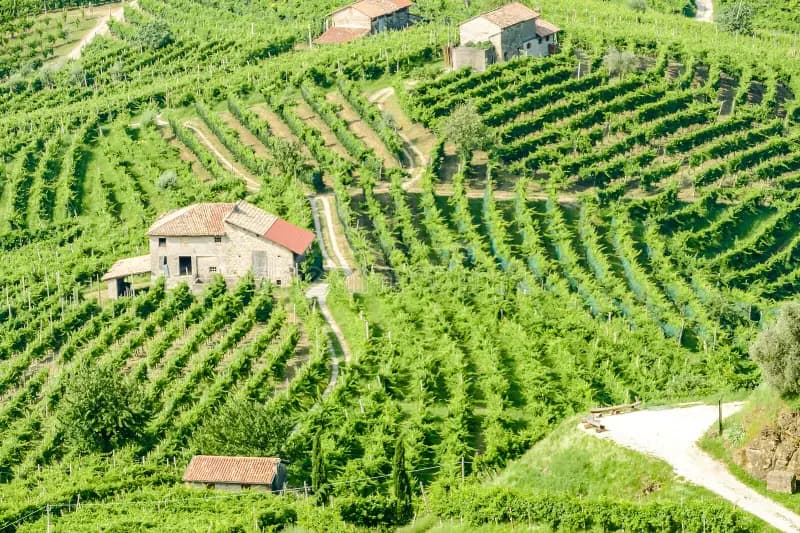
Prosecco is crafted primarily from the Glera grape, offering a refreshing and lively sparkling wine experience. This Veneto appellation is renowned for its light, fruity character and approachable style, perfect for any occasion.

Collections/Countries/Italy/Veneto/Prosecco

About Prosecco

Prosecco, originating from the Veneto region of Italy, is a sparkling wine that has captured the hearts of wine enthusiasts worldwide. Defined by its primary use of the Glera grape, Prosecco offers a refreshing and vibrant profile, making it a popular choice for celebrations and casual gatherings alike. The wines are known for their light, fruity character with notes of green apple, pear, and white flowers, often with a hint of citrus. In the world of Prosecco, producers like Mionetto, Ruggeri, and La Marca are celebrated for their commitment to quality and tradition. These producers, among others such as Zonin and Valdo, offer a range of styles from the approachable and budget-friendly to more premium selections. Prosecco wines typically range from $10 to $30, providing options for both everyday enjoyment and special occasions. When choosing Prosecco, consider the DOC and DOCG classifications, which indicate the quality and origin of the wine. The DOCG, particularly from the Conegliano Valdobbiadene region, represents the pinnacle of Prosecco quality, offering more complexity and depth. Whether you're looking to buy Prosecco for a festive toast or a quiet evening, this guide will help you navigate the best Prosecco wines available. With its effervescent charm and versatile pairing potential, Prosecco remains a timeless choice for wine lovers.

Regulations & Standards

Prosecco DOC regulations require that the wines be made primarily from the Glera grape, with a minimum of 85% in the blend. The DOCG designation, particularly from Conegliano Valdobbiadene, represents the highest quality tier, with stricter controls on yield and production methods. Wines labeled as Prosecco Superiore DOCG must come from hillside vineyards and adhere to rigorous quality standards, ensuring a more refined and complex wine.

Grape Varieties

Prosecco is predominantly made from the Glera grape, which must constitute at least 85% of the blend according to appellation regulations. Glera thrives in the Veneto region's climate, contributing to the wine's signature light and fruity profile. Other permitted varieties include Verdiso, Bianchetta Trevigiana, Perera, and Glera Lunga, which can add complexity and nuance to the blend. These grapes are carefully cultivated to maintain the fresh, aromatic qualities that Prosecco is celebrated for.

Soil Composition

The soils of Prosecco vary from clay-limestone to marl and sandstone, particularly in the hills of Conegliano and Valdobbiadene. These soil types provide excellent drainage and contribute to the mineral complexity of the wines. The varied terrain allows for a range of expressions, with hillside vineyards often producing more structured and aromatic wines due to the cooler temperatures and increased sun exposure.

Climate Characteristics

Prosecco benefits from a temperate climate with warm summers and mild winters, influenced by the Adriatic Sea and the surrounding Alps. This climate ensures a long growing season, allowing the grapes to ripen slowly and develop their characteristic fresh and fruity flavors. The diurnal temperature variation, with warm days and cool nights, helps to preserve the acidity and aromatic intensity of the wines.

Production Standards

Prosecco is traditionally produced using the Charmat method, where secondary fermentation occurs in large stainless steel tanks. This method preserves the fresh, fruity character of the wine and creates a lively effervescence. The focus is on capturing the natural aromas and flavors of the Glera grape, resulting in a sparkling wine that is both approachable and elegant.

On this page

  • About Prosecco
  • Regulations & Standards
  • Grape Varieties
  • Soil Composition
  • Climate Characteristics
  • Production Standards

Frequently Asked Questions

What is the difference between Prosecco and Champagne?
Prosecco is an Italian sparkling wine primarily made from the Glera grape, while Champagne is a French sparkling wine made from Chardonnay, Pinot Noir, and Pinot Meunier grapes. Prosecco is typically produced using the Charmat method, which involves secondary fermentation in large tanks, whereas Champagne undergoes secondary fermentation in the bottle.
How should Prosecco be served?
Prosecco is best served chilled, ideally between 6-8°C (43-46°F). It is typically enjoyed in a tulip-shaped glass to enhance its aromatic qualities and preserve its bubbles.
What food pairs well with Prosecco?
Prosecco pairs well with a variety of foods, including light appetizers, seafood, and salads. Its crisp and refreshing profile complements dishes like prosciutto, sushi, and fresh fruit.
Is Prosecco sweet or dry?
Prosecco can range from dry to sweet, with the most common styles being Brut, Extra Dry, and Dry. Brut is the driest, while Dry is actually the sweetest among these options.
How long does an opened bottle of Prosecco last?
Once opened, a bottle of Prosecco should be consumed within 1-3 days to enjoy its optimal freshness and effervescence. To preserve its bubbles, reseal the bottle with a sparkling wine stopper and store it in the refrigerator.