-
Capital Spirits Logo

FOR THE THIRSTY

Raise a glass with us #Cheers

FacebookInstagramTikTokYouTube
concierge@capitalspirits.com
AboutLocationsEventsTrack OrderPrivacy PolicyTerms & ConditionsShipping PolicyReturn Policy
VisaMastercardAmerican ExpressApple PayGoogle Pay
Powered by Stripe
© 2026 Capital Spirits. All rights reserved.
REGION

Umbria Wine

Umbria's clay and limestone-rich soils nurture Sangiovese and Grechetto grapes, crafting wines with earthy depth and vibrant acidity. Explore our selection of Umbria wines.

Collections/Countries/Italy/Umbria

About Umbria

Nestled in the heart of Italy, Umbria is a region celebrated for its robust and characterful wines. The clay and limestone soils, combined with a temperate climate, provide an ideal environment for cultivating Sangiovese and Grechetto grapes. These varietals are the backbone of Umbria's wine identity, offering a spectrum of flavors from the bold and tannic to the crisp and aromatic. Producers like Arnaldo Caprai and Castello Della Sala - Marchesi Antinori are at the forefront of Umbria's winemaking scene, known for their dedication to quality and tradition. Wines from Umbria often exhibit a rich tapestry of flavors, including red berries, earthy undertones, and a hint of spice, making them a favorite among wine enthusiasts seeking depth and complexity. For those looking to explore something distinct, Umbria offers a unique alternative to the more widely known regions of Tuscany and Piedmont. Whether you're a seasoned connoisseur or a curious newcomer, the wines of Umbria promise an unforgettable tasting experience. Discover the allure of Umbria wines and bring a piece of Italian heritage to your table.

Climate & Terroir of Umbria

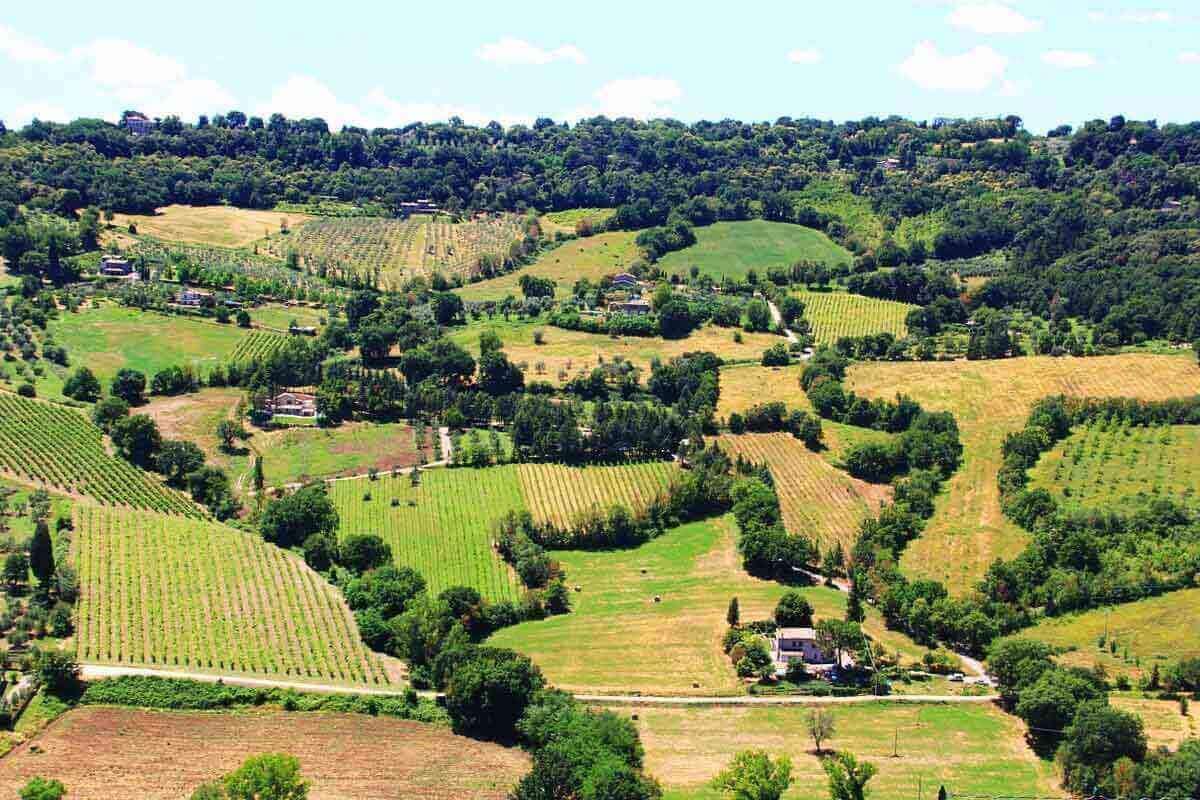
Umbria's climate is characterized by warm summers and cool winters, with a balanced rainfall that supports viticulture. The region's clay and limestone soils are particularly favorable for grape growing, imparting a distinct minerality and structure to the wines. The rolling hills and valleys create a diverse topography that allows for a variety of microclimates, each contributing to the complexity and depth of the wines produced here.

Winemaking Traditions

Winemaking in Umbria is steeped in tradition, with a focus on preserving the authenticity and character of the region's native grape varieties. The use of modern techniques is balanced with time-honored practices, ensuring that each bottle reflects the unique terroir of Umbria. Winemakers in the region often employ extended maceration and careful oak aging to enhance the natural flavors and aromas of the grapes, resulting in wines that are both expressive and harmonious.

Notable Producers in Umbria

Umbria is home to several esteemed producers, including Arnaldo Caprai, known for their pioneering work with Sagrantino, and Castello Della Sala - Marchesi Antinori, which crafts elegant white wines from Grechetto. Other notable names include Fongoli and Ruffino, each contributing to the region's reputation for quality and innovation. These producers are committed to showcasing the unique characteristics of Umbria's terroir through their diverse and captivating wine offerings.

Food Pairings

Umbria wines are versatile and pair beautifully with a variety of dishes. Sangiovese-based wines complement hearty meals like grilled meats and rich pasta dishes, while the crisp acidity of Grechetto makes it an excellent match for seafood and light salads. For a true taste of Umbria, pair these wines with local specialties such as truffle-infused dishes or aged Pecorino cheese.

History of Umbria

The history of winemaking in Umbria dates back to the Etruscans, who first cultivated vines in the region. Over the centuries, Umbria has developed a rich viticultural heritage, influenced by Roman and medieval traditions. The region's strategic location in central Italy has allowed it to absorb diverse influences, which are reflected in its wines. Today, Umbria continues to honor its historical roots while embracing modern winemaking techniques, ensuring that its wines remain relevant and revered on the global stage.

On this page

  • About Umbria
  • Climate & Terroir of Umbria
  • Winemaking Traditions
  • Notable Producers in Umbria
  • Food Pairings
  • History of Umbria

Frequently Asked Questions

What are the most famous wines from Umbria?
Umbria is renowned for its white wine, Orvieto, which is made primarily from Grechetto and Trebbiano grapes. The region also produces notable red wines like Sagrantino di Montefalco, known for its bold flavors and high tannin content.
What grape varieties are commonly used in Umbria wines?
The most common grape varieties in Umbria include Grechetto and Trebbiano for white wines, and Sagrantino and Sangiovese for red wines. These grapes contribute to the region's distinctive wine profiles, characterized by rich flavors and aromatic complexity.
How does Sagrantino di Montefalco taste?
Sagrantino di Montefalco is known for its deep, dark color and robust tannins. It typically features flavors of dark berries, plums, and spices, with a full-bodied structure that benefits from aging.
What food pairs well with Orvieto wine?
Orvieto wine pairs excellently with light dishes such as seafood, salads, and white meats. Its crisp acidity and fruity notes complement the delicate flavors of these dishes, enhancing the overall dining experience.
Are there any unique spirits produced in Umbria?
While Umbria is primarily known for its wines, it also produces unique spirits like Grappa, made from the pomace of local grape varieties. These spirits are often enjoyed as a digestif and reflect the region's rich winemaking traditions.