-
Capital Spirits Logo

FOR THE THIRSTY

Raise a glass with us #Cheers

FacebookInstagramTikTokYouTube
concierge@capitalspirits.com
AboutLocationsEventsTrack OrderPrivacy PolicyTerms & ConditionsShipping PolicyReturn Policy
VisaMastercardAmerican ExpressApple PayGoogle Pay
Powered by Stripe
© 2026 Capital Spirits. All rights reserved.
APPELLATION

Chianti Wine

Chianti's signature Sangiovese grape delivers vibrant acidity and cherry notes, enhanced by Tuscany's diverse soils. Explore our curated selection.

Collections/Countries/Italy/Tuscany/Chianti

About Chianti

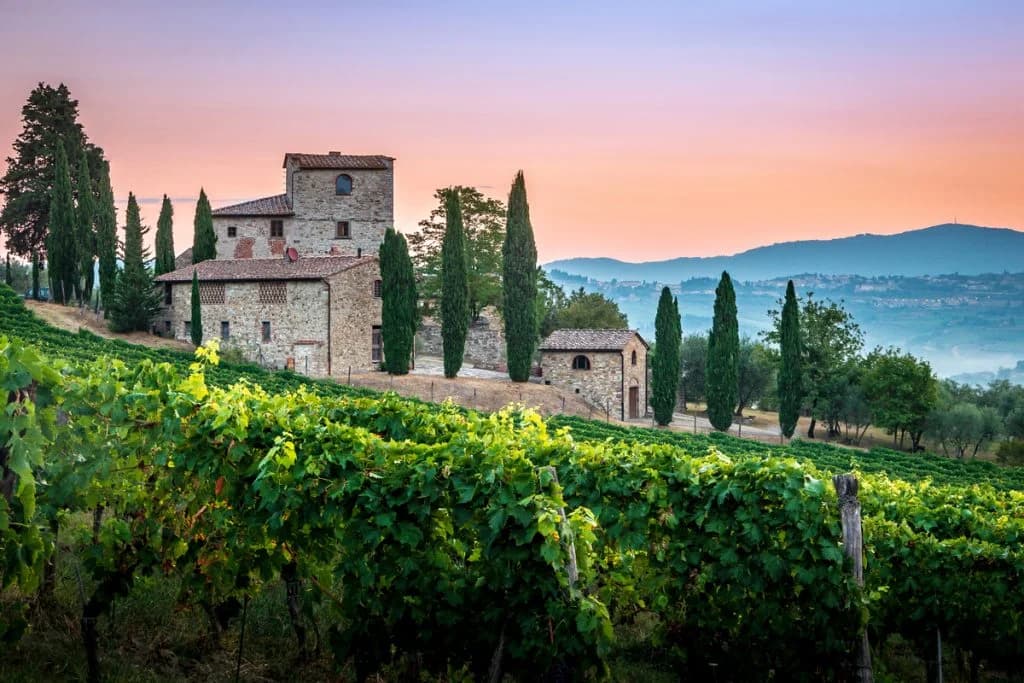
Chianti, a prestigious wine appellation in Tuscany, Italy, is synonymous with the Sangiovese grape, which forms the backbone of its wines. Known for their vibrant acidity, cherry flavors, and earthy undertones, Chianti wines are a staple for enthusiasts seeking authenticity and tradition. The appellation's diverse terroir, comprising clay, limestone, and marl soils, contributes to the complexity and depth of these wines. Our selection includes esteemed producers such as Fattoria di Piazzano, Castello Di Querceto, and Ruffino, each offering unique expressions of Chianti. From entry-level offerings by Piccini and Bell'Agio to premium selections from Fattoria Selvapiana and Castello di Gabbiano, there's a Chianti for every palate and occasion. Chianti's appeal lies in its versatility and food-friendly nature. Whether you're enjoying a casual meal or hosting a sophisticated dinner, Chianti's balance of fruit and acidity complements a wide range of dishes. The best Chianti wines are often aged in oak, adding layers of spice and complexity, making them ideal for cellaring. When searching for the best Chianti wines, consider the appellation's sub-zones such as Chianti Classico, known for stricter production standards and higher quality. Our Chianti wine guide helps you navigate the options, ensuring you find the perfect bottle to suit your taste and budget. Whether you're a seasoned collector or a curious newcomer, buying Chianti wine offers a journey into the heart of Tuscany's winemaking heritage.

Regulations & Standards

Chianti DOCG regulations require wines to be made with a minimum of 70% Sangiovese. The wines must be aged for at least 4 months, with Chianti Riserva requiring a minimum of 24 months of aging. Chianti Classico, a sub-zone with stricter standards, mandates at least 80% Sangiovese and a minimum aging period of 12 months. These regulations ensure the quality and authenticity of Chianti wines, preserving their traditional character.

Grape Varieties

Chianti wines are predominantly made from the Sangiovese grape, which must constitute at least 70% of the blend. This grape is celebrated for its high acidity, firm tannins, and flavors of cherry, plum, and earthy herbs. Other permitted varieties include Canaiolo, Colorino, and international grapes like Cabernet Sauvignon and Merlot, which can add depth and complexity to the wines. The use of these varieties is regulated to ensure the traditional character of Chianti is maintained.

Soil Composition

Chianti's soils are predominantly composed of galestro, a crumbly marl, and alberese, a hard limestone. These soils are well-draining, promoting deep root systems and concentrating flavors in the grapes. The diversity of soil types across the region contributes to the complexity and variety of Chianti wines, with each vineyard imparting unique characteristics to the final product.

Climate Characteristics

Chianti enjoys a warm Mediterranean climate with hot, dry summers and cool, wet winters. The region's hilly terrain provides varying altitudes and exposures, which help moderate temperatures and preserve acidity in the grapes. This climate is ideal for Sangiovese, allowing it to ripen fully while maintaining the bright acidity that defines Chianti wines.

Production Standards

Chianti winemaking typically involves fermentation in stainless steel or concrete tanks to preserve the fresh fruit character of Sangiovese. Many producers, such as Ruffino and Melini, age their wines in large oak casks or barriques, which can impart subtle oak flavors and enhance the wine's complexity. The use of modern techniques alongside traditional methods allows producers to craft wines that are both authentic and appealing to contemporary palates.

On this page

  • About Chianti
  • Regulations & Standards
  • Grape Varieties
  • Soil Composition
  • Climate Characteristics
  • Production Standards

Frequently Asked Questions

What is Chianti wine and where does it come from?
Chianti is a red wine produced in the Chianti region of Tuscany, Italy. It is primarily made from the Sangiovese grape and is known for its bright acidity and flavors of red fruits and earthy undertones.
What food pairs well with Chianti wine?
Chianti pairs well with a variety of foods, especially Italian cuisine such as pasta with tomato-based sauces, grilled meats, and aged cheeses. Its acidity and tannins complement rich dishes, enhancing the overall dining experience.
How should Chianti wine be served?
Chianti is best served at a temperature between 60-65°F (15-18°C). It is recommended to decant the wine for about 30 minutes before serving to allow it to open up and reveal its full range of aromas and flavors.
What is the difference between Chianti and Chianti Classico?
Chianti Classico is a specific sub-region within the larger Chianti area, known for producing higher quality wines. Chianti Classico wines must adhere to stricter regulations, including a higher minimum percentage of Sangiovese grapes and longer aging requirements.
How long can I store a bottle of Chianti wine?
Chianti wines can generally be stored for 3-5 years, while higher quality Chianti Classico or Riserva wines can age for 10-15 years or more. Proper storage conditions include a cool, dark place with a consistent temperature and humidity.