-
Capital Spirits Logo

FOR THE THIRSTY

Raise a glass with us #Cheers

FacebookInstagramTikTokYouTube
concierge@capitalspirits.com
AboutLocationsEventsTrack OrderPrivacy PolicyTerms & ConditionsShipping PolicyReturn Policy
VisaMastercardAmerican ExpressApple PayGoogle Pay
Powered by Stripe
© 2026 Capital Spirits. All rights reserved.
APPELLATION

Barossa Valley Wine

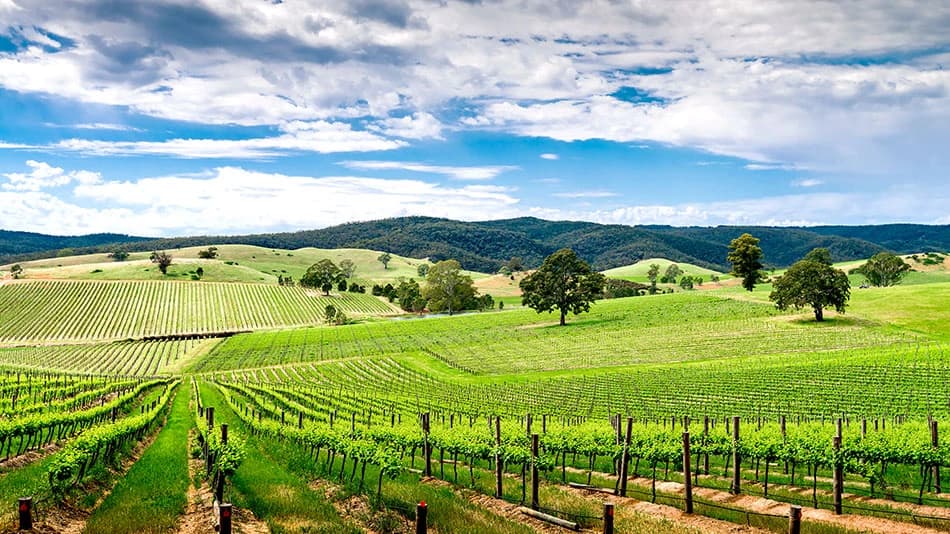
Barossa Valley is defined by its robust Shiraz, thriving in the warm, sun-drenched climate of South Australia. This appellation is home to iconic producers like Penfolds and Torbreck, known for crafting full-bodied wines with intense flavors.

Collections/Countries/Australia/South Australia/Barossa Valley

About Barossa Valley

Barossa Valley, located in South Australia, is a prestigious wine appellation renowned for its powerful Shiraz wines. This region's warm climate and diverse terroir contribute to the creation of wines with remarkable depth and complexity. Barossa Valley's Shiraz is celebrated for its full-bodied nature, rich fruit flavors, and velvety tannins, making it a favorite among wine enthusiasts worldwide. The appellation is home to esteemed producers such as Penfolds, Torbreck, and Yalumba, each contributing to the region's reputation for excellence. Penfolds, with its iconic Grange, exemplifies the pinnacle of Barossa Valley's winemaking prowess. Torbreck is known for its dedication to traditional winemaking techniques, producing wines that reflect the true essence of the region. Barossa Valley wines cater to a wide range of budgets, from accessible everyday bottles to premium, collectible wines. Whether you're seeking a robust Shiraz for a special occasion or an elegant Grenache for a casual dinner, Barossa Valley offers a diverse selection to suit every palate. Choosing Barossa Valley wines means embracing a legacy of quality and tradition. The region's commitment to sustainable viticulture and innovative winemaking ensures that each bottle delivers a unique expression of its terroir. For those looking to explore the best Barossa Valley wines, starting with producers like Penfolds and Torbreck is a must.

Regulations & Standards

Barossa Valley's wine production is governed by strict regulations to maintain quality and authenticity. The appellation mandates specific grape varieties, with Shiraz being the most prominent. Wines labeled as Barossa Valley must adhere to these varietal guidelines and meet minimum quality standards. There are no specific aging requirements for Barossa Valley wines, allowing winemakers the flexibility to craft wines that best express their vision and the region's terroir.

Grape Varieties

Barossa Valley is predominantly known for its Shiraz, which thrives in the region's warm climate, producing wines with rich, bold flavors and a velvety texture. Grenache and Mourvèdre are also significant, often blended with Shiraz to create the classic GSM blend, known for its complexity and balance. Cabernet Sauvignon, with its structured tannins and dark fruit profile, is another important variety, offering a different expression of the region's terroir. White varieties such as Riesling, known for its crisp acidity and citrus notes, and Semillon, with its fresh, vibrant character, are also cultivated, though to a lesser extent.

Soil Composition

The soils of Barossa Valley are diverse, ranging from sandy loam to clay and limestone. These varied soil types contribute to the complexity and character of the wines. Sandy soils, found in areas like the northern Barossa, promote aromatic and elegant wines, while the clay-rich soils in the southern parts enhance the depth and structure of the wines. Limestone influences the minerality and acidity, particularly in white wines like Riesling, adding a refreshing crispness.

Climate Characteristics

Barossa Valley experiences a warm Mediterranean climate, characterized by hot, dry summers and cool, wet winters. This climate is ideal for ripening grapes, particularly Shiraz, which benefits from the long, sunny days that enhance its rich fruit flavors and full-bodied nature. The diurnal temperature variation, with cooler nights, helps maintain acidity and balance in the wines, ensuring they are well-structured and age-worthy.

Production Standards

Winemaking in Barossa Valley often involves traditional techniques, such as open fermentation and basket pressing, which are employed by many producers to enhance the wine's character and depth. The use of both American and French oak barrels is common, imparting additional complexity and structure to the wines. Sustainable viticulture practices are increasingly adopted, reflecting the region's commitment to environmental stewardship and quality.

On this page

  • About Barossa Valley
  • Regulations & Standards
  • Grape Varieties
  • Soil Composition
  • Climate Characteristics
  • Production Standards

Frequently Asked Questions

What types of wine is Barossa Valley known for?
Barossa Valley is renowned for its Shiraz, which is rich, full-bodied, and often features notes of dark fruit and spice. The region also produces excellent Grenache, Cabernet Sauvignon, and Riesling.
How does Barossa Valley Shiraz taste?
Barossa Valley Shiraz is typically bold and full-bodied with flavors of ripe dark fruits like blackberry and plum, complemented by notes of chocolate, spice, and oak. Its rich texture and smooth tannins make it a popular choice among red wine enthusiasts.
What is the best time to visit Barossa Valley for wine tasting?
The best time to visit Barossa Valley for wine tasting is during the autumn months of March to May, when the weather is mild and the grape harvest is in full swing. Spring, from September to November, is also a lovely time to enjoy the region's vibrant landscapes and wineries.
Are there organic wines available from Barossa Valley?
Yes, several wineries in Barossa Valley produce organic wines, focusing on sustainable and environmentally friendly practices. These wines are made without synthetic chemicals, offering a natural expression of the region's terroir.
What food pairs well with Barossa Valley wines?
Barossa Valley Shiraz pairs wonderfully with grilled meats, hearty stews, and aged cheeses due to its robust flavors. Lighter wines like Riesling from the region complement seafood, spicy dishes, and fresh salads.