PRODUCT SUBCATEGORY

Soju Spirits

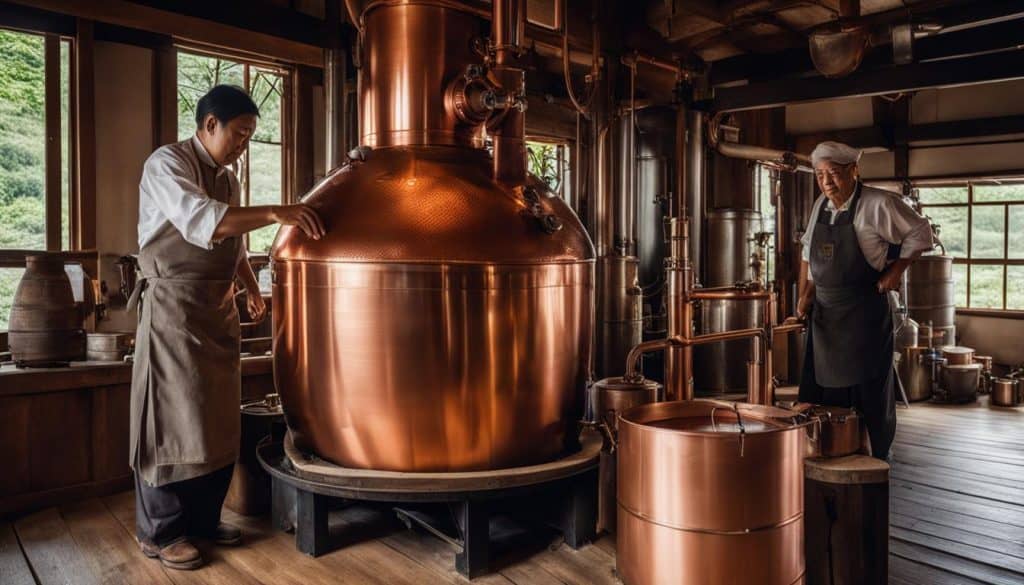
Soju is a clear, distilled spirit originating from Korea, known for its smooth texture and subtle sweetness. Typically made from rice, barley, or sweet potatoes, Soju offers a versatile drinking experience that can be enjoyed neat or in cocktails.

About Soju

Soju is a quintessential Korean spirit that has gained international popularity due to its smooth texture and subtle sweetness. Unlike other spirits, Soju is typically lower in alcohol content, usually ranging between 16% and 25%, making it a versatile choice for both casual and formal occasions. Traditionally made from rice, modern Soju production often incorporates other starches such as barley, sweet potatoes, or tapioca, which can influence its flavor profile. The flavor of Soju is generally clean and neutral, with a hint of sweetness, making it an excellent base for cocktails or a refreshing drink when served neat. Its versatility extends to food pairings, where it complements a wide range of dishes, from Korean BBQ to spicy Asian cuisine, enhancing the dining experience without overpowering the flavors of the food. Soju is predominantly produced in South Korea, with key regions like Andong and Jeju Island known for their distinctive styles. Andong Soju is often more traditional, with a higher alcohol content and a robust flavor, while Jeju Soju is typically lighter and sweeter. These regional variations offer buyers a diverse selection to explore. When considering price, Soju is generally affordable, with entry-level bottles offering great value for everyday enjoyment, while premium options provide a more refined experience for special occasions. Choosing Soju allows buyers to experience a unique spirit that is both culturally significant and adaptable to various drinking preferences. Whether you're searching for the best Soju to buy or seeking a comprehensive Soju guide, understanding its production, flavor profile, and pairing possibilities can enhance your appreciation of this beloved spirit.

Tasting Profile

Soju typically offers a clean and neutral flavor with a subtle sweetness, making it highly versatile. The aroma is often mild, with hints of floral or fruity notes depending on the base ingredient. The texture is smooth, and the finish is crisp, leaving a refreshing aftertaste.

Serving Guide

Soju is best served chilled, either neat or over ice, in a small glass similar to a shot glass. It can also be used as a base for cocktails, where its subtle flavor allows other ingredients to shine. No decanting is necessary, making it easy to enjoy straight from the bottle.

Region Information

South Korea is the primary producer of Soju, with regions like Andong and Jeju Island being particularly renowned. Andong is known for its traditional, higher-proof Soju, while Jeju offers lighter, sweeter variations. These regional differences provide a diverse range of flavors and styles for Soju enthusiasts to explore.

Frequently Asked Questions

What does Soju taste like?
Soju has a clean, neutral taste with a subtle sweetness. Its mild flavor makes it versatile for drinking neat or in cocktails, and it often carries hints of floral or fruity notes.
How should Soju be served?
Soju is best served chilled in a small glass, either neat or over ice. It can also be used in cocktails, where its subtle flavor complements other ingredients.
What is the alcohol content of Soju?
Soju typically has an alcohol content ranging from 16% to 25%, making it lighter than many other spirits and suitable for a variety of drinking occasions.
What foods pair well with Soju?
Soju pairs well with a variety of foods, particularly Korean BBQ and spicy Asian dishes. Its clean, neutral flavor complements and enhances the flavors of the food without overpowering them.
What is the difference between Soju and Sake?
Soju is a distilled spirit from Korea, often made from rice or other starches, while Sake is a brewed rice beverage from Japan. Soju typically has a higher alcohol content and a more neutral flavor compared to the sweeter, more aromatic profile of Sake.