-
Capital Spirits Logo

FOR THE THIRSTY

Raise a glass with us #Cheers

FacebookInstagramTikTokYouTube
concierge@capitalspirits.com
AboutLocationsEventsTrack OrderPrivacy PolicyTerms & ConditionsShipping PolicyReturn Policy
VisaMastercardAmerican ExpressApple PayGoogle Pay
Powered by Stripe
© 2026 Capital Spirits. All rights reserved.
REGION

Salta Wine

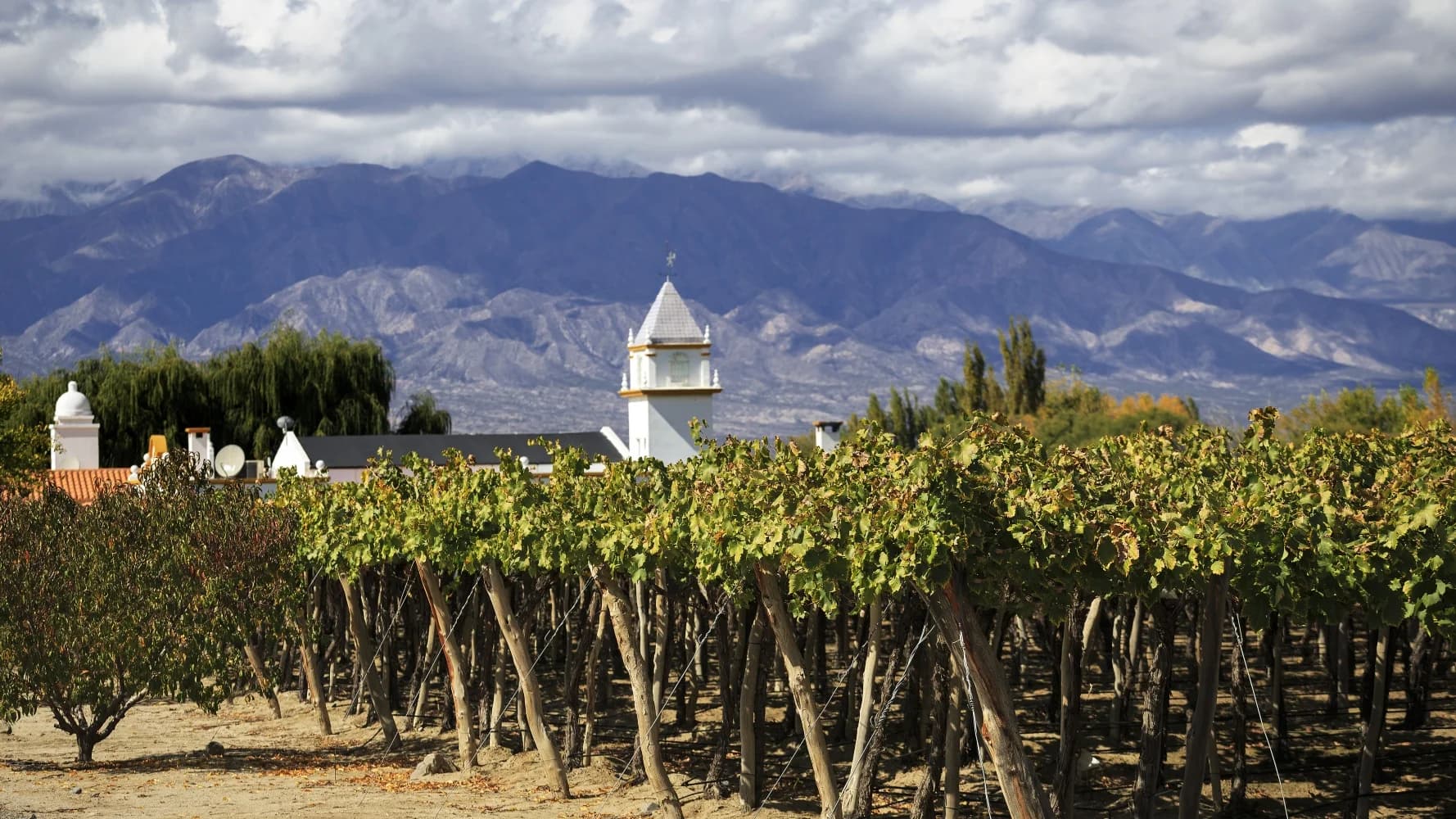
Salta's vineyards, perched at some of the highest altitudes in the world, produce wines with intense flavors and vibrant acidity. This unique terroir is home to renowned producers like Bodega Colomé and Piattelli Vineyards.

Collections/Countries/Argentina/Salta

About Salta

Salta, Argentina, is a region that captivates wine enthusiasts with its breathtaking high-altitude vineyards. Nestled in the Andes, these vineyards are among the highest in the world, with some reaching up to 3,000 meters above sea level. This extreme altitude contributes to the intense sunlight and cool nights, resulting in wines with remarkable concentration and vibrant acidity. The region is particularly celebrated for its Torrontés and Malbec wines. Torrontés, a white grape variety, thrives in Salta's unique conditions, producing aromatic wines with floral notes and crisp acidity. Malbec, on the other hand, showcases deep color and robust flavors, often with hints of dark fruit and spice. Salta's wine landscape is enriched by esteemed producers such as Bodega Colomé, known for its historic vineyards and commitment to quality, and Piattelli Vineyards, which combines traditional techniques with modern innovation. These producers, along with others like Michel Torino and Bodega Amalaya, contribute to Salta's reputation as a region of exceptional winemaking. For wine lovers seeking something distinctive, Salta offers a taste of Argentina's diverse terroir. Its wines are not only a testament to the region's unique geography but also a reflection of the passion and expertise of its winemakers.

Climate & Terroir of Salta

Salta's climate is defined by its high-altitude vineyards, which experience intense sunlight and cool nights. This diurnal temperature variation is crucial for developing the vibrant acidity and concentrated flavors found in Salta wines. The region's soils, often composed of sandy and rocky substrates, provide excellent drainage, further enhancing the quality of the grapes. The Andes mountains play a significant role in shaping the climate, offering protection and creating a unique microclimate ideal for viticulture.

Winemaking Traditions

Winemaking in Salta is characterized by a blend of traditional techniques and modern innovation. The region's winemakers often employ hand-harvesting and careful selection of grapes to ensure quality. Aging in oak barrels is a common practice, particularly for Malbec, to add complexity and depth to the wines. The use of sustainable practices is also on the rise, with many producers focusing on organic and biodynamic methods to preserve the natural environment and enhance the expression of terroir in their wines.

Notable Producers in Salta

Salta is home to several notable wine producers who have gained international acclaim. Bodega Colomé, one of the oldest wineries in Argentina, is renowned for its high-altitude vineyards and commitment to quality. Piattelli Vineyards combines traditional winemaking techniques with modern technology to create wines of exceptional character. Other esteemed producers include Michel Torino, known for its elegant wines, and Bodega Amalaya, which offers a range of innovative blends.

Food Pairings

Salta's wines pair beautifully with a variety of foods. Torrontés, with its aromatic and crisp profile, complements dishes like ceviche, grilled fish, and spicy Asian cuisine. Malbec, with its bold flavors and tannic structure, is an excellent match for grilled meats, especially Argentine asado, as well as hearty stews and rich pasta dishes. The versatility of Salta wines makes them a delightful addition to any meal.

History of Salta

The history of winemaking in Salta dates back to the 19th century when European immigrants brought their viticultural knowledge to the region. Over the years, Salta has evolved into a prominent wine-producing area, known for its high-altitude vineyards and distinctive wines. The region's unique terroir and commitment to quality have attracted both local and international attention, solidifying its place in the global wine industry. Today, Salta continues to build on its rich heritage, producing wines that reflect the passion and expertise of its winemakers.

On this page

  • About Salta
  • Climate & Terroir of Salta
  • Winemaking Traditions
  • Notable Producers in Salta
  • Food Pairings
  • History of Salta

Frequently Asked Questions

What types of wine is Salta, Argentina known for?
Salta is particularly renowned for its Torrontés wine, a white varietal known for its aromatic intensity and floral notes. The region also produces high-quality Malbec and Cabernet Sauvignon, benefiting from the high-altitude vineyards that enhance the grapes' flavors.
Why are Salta wines unique compared to other Argentine wines?
Salta's wines are unique due to the region's high-altitude vineyards, some of the highest in the world, which can reach up to 3,000 meters above sea level. This altitude results in greater temperature variations, enhancing the concentration and complexity of the wines.
What is the best way to serve Torrontés wine from Salta?
Torrontés wine from Salta is best served chilled, between 8-10°C (46-50°F), to fully appreciate its aromatic profile. It pairs well with spicy dishes, seafood, and Asian cuisine, complementing the wine's floral and citrus notes.
Are there any notable wineries to visit in Salta?
Yes, Salta is home to several notable wineries such as Bodega Colomé and Bodega El Esteco, which are famous for their exquisite wines and breathtaking vineyard landscapes. These wineries offer tours and tastings, providing insights into the winemaking process in this unique region.
How does the climate in Salta affect its wine production?
The climate in Salta, characterized by sunny days and cool nights, contributes to the development of grapes with balanced acidity and intense flavors. The arid conditions and high altitudes also reduce the risk of pests and diseases, allowing for more organic and sustainable viticulture practices.