-
Capital Spirits Logo

FOR THE THIRSTY

Raise a glass with us #Cheers

FacebookInstagramTikTokYouTube
concierge@capitalspirits.com
AboutLocationsEventsTrack OrderPrivacy PolicyTerms & ConditionsShipping PolicyReturn Policy
VisaMastercardAmerican ExpressApple PayGoogle Pay
Powered by Stripe
© 2026 Capital Spirits. All rights reserved.
REGION

Rheingau Wine

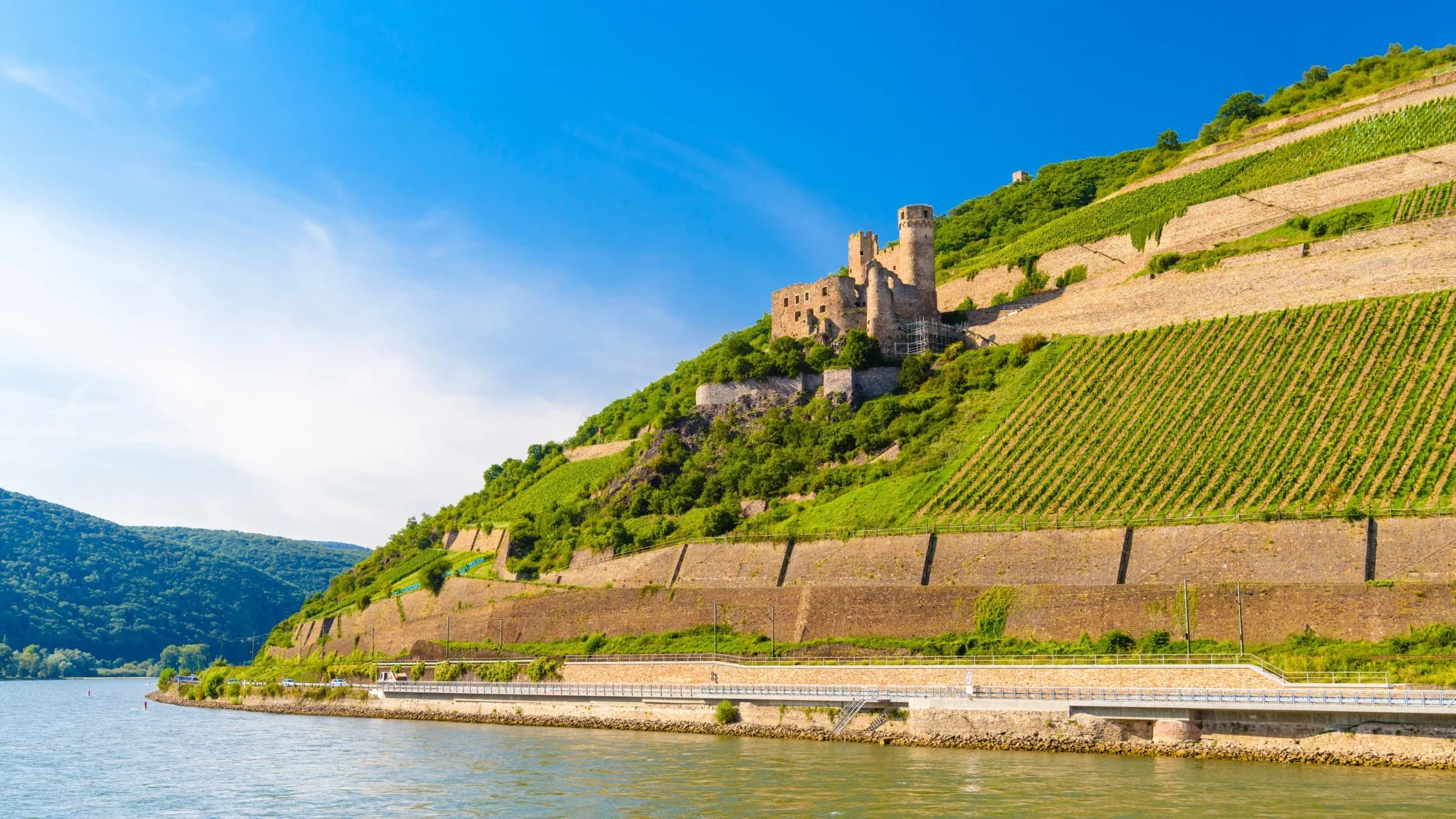
Rheingau's steep slate slopes along the Rhine River create ideal conditions for Riesling, producing wines with vibrant acidity and minerality. Explore our selection from renowned producers like Schloss Vollrads and Weingut Robert Weil.

Collections/Countries/Germany/Rheingau

About Rheingau

Nestled along the Rhine River, Rheingau is a gem of German winemaking, celebrated for its exceptional Riesling wines. The region's steep, slate-rich slopes and diverse microclimates foster a unique terroir that imparts vibrant acidity and minerality to its wines. Riesling is the dominant grape variety here, known for its ability to express the terroir with precision and elegance. Rheingau Rieslings range from dry to lusciously sweet, offering a spectrum of flavors from crisp green apple and citrus to honeyed apricot and floral notes. Among the esteemed producers in Rheingau, Schloss Vollrads and Weingut Robert Weil stand out for their commitment to quality and tradition. These producers craft wines that reflect the region's heritage and innovation, making them highly sought after by wine enthusiasts worldwide. Rheingau's wines are not only a testament to the region's winemaking prowess but also a delightful companion to a variety of cuisines. Their bright acidity and complex flavors make them perfect for pairing with dishes like spicy Asian cuisine, rich poultry, and creamy cheeses. Whether you're a seasoned connoisseur or a curious newcomer, Rheingau wines offer an unforgettable tasting experience.

Climate & Terroir of Rheingau

Rheingau's climate is characterized by its proximity to the Rhine River, which moderates temperatures and extends the growing season. The region's steep slopes are predominantly composed of slate soils, which retain heat and contribute to the wines' minerality and complexity. These conditions are ideal for Riesling, allowing the grape to develop its signature acidity and aromatic intensity. The varied microclimates within Rheingau also enable the production of a wide range of wine styles, from bone-dry to decadently sweet, each expressing the unique characteristics of its vineyard site.

Winemaking Traditions

Rheingau has a rich winemaking tradition that dates back centuries, with a focus on producing high-quality Riesling wines. The region's winemakers are known for their meticulous vineyard management and careful selection of grapes to ensure optimal ripeness and flavor concentration. Traditional methods such as hand-harvesting and gentle pressing are commonly employed to preserve the delicate aromas and flavors of the grapes. Many producers also utilize spontaneous fermentation with natural yeasts, which enhances the complexity and authenticity of the wines. This commitment to tradition and quality has earned Rheingau a reputation for producing some of the finest Rieslings in the world.

Notable Producers in Rheingau

Rheingau is home to several esteemed wine producers who have made significant contributions to the region's reputation for excellence. Among them, Georg Breuer and Schloss Johannisberg are renowned for their exceptional Rieslings that capture the essence of Rheingau's terroir. Weingut Spreitzer and Künstler also produce wines that reflect the region's unique climate and soils, offering a diverse range of styles from dry to sweet. These producers, along with others like August Kesseler and 50° Riesling - Weingut G.H. von Mumm, continue to uphold Rheingau's legacy of quality and innovation.

Food Pairings

Rheingau wines, particularly Rieslings, are incredibly versatile when it comes to food pairings. Their bright acidity and complex flavor profiles make them an excellent match for spicy Asian dishes, where the wine's freshness can balance the heat. They also pair beautifully with rich poultry dishes, such as duck or chicken in creamy sauces, enhancing the flavors without overpowering them. For cheese lovers, Rheingau Rieslings complement creamy cheeses like Brie or Camembert, where the wine's acidity cuts through the richness, creating a harmonious balance.

History of Rheingau

The history of winemaking in Rheingau is deeply intertwined with the region's cultural and economic development. Viticulture in Rheingau dates back to Roman times, but it was during the Middle Ages that the region gained prominence, largely due to the influence of monasteries and noble estates. These institutions played a crucial role in advancing viticultural practices and establishing Rheingau as a center for high-quality wine production. Over the centuries, Rheingau has maintained its reputation for excellence, with Riesling emerging as the flagship grape variety. The region's winemakers have continually adapted to changing tastes and technologies while preserving traditional methods, ensuring that Rheingau remains a respected name in the world of wine.

On this page

  • About Rheingau
  • Climate & Terroir of Rheingau
  • Winemaking Traditions
  • Notable Producers in Rheingau
  • Food Pairings
  • History of Rheingau

Frequently Asked Questions

What types of wine is Rheingau famous for?
Rheingau is renowned for its Riesling wines, which account for over 80% of the region's production. The area is also known for producing high-quality Spätburgunder (Pinot Noir) wines.
What makes Rheingau Riesling unique?
Rheingau Rieslings are known for their elegance, complexity, and balance of acidity and sweetness. The region's diverse microclimates and slate-rich soils contribute to the distinct mineral character and aromatic profile of these wines.
When is the best time to buy Rheingau wine?
Rheingau wines are typically released in the spring following the harvest, making it an ideal time to purchase the latest vintage. However, older vintages can also be found and are prized for their aging potential and developed flavors.
How should I store Rheingau Riesling?
Rheingau Riesling should be stored in a cool, dark place with a consistent temperature, ideally between 10-15°C (50-59°F). Proper storage allows these wines to age gracefully, enhancing their complexity and depth over time.
What food pairs well with Rheingau wines?
Rheingau Rieslings pair excellently with a variety of foods, including seafood, poultry, and spicy Asian dishes, due to their acidity and aromatic qualities. Spätburgunder from Rheingau complements dishes like roast duck, lamb, and mushroom-based recipes.