-
Capital Spirits Logo

FOR THE THIRSTY

Raise a glass with us #Cheers

FacebookInstagramTikTokYouTube
concierge@capitalspirits.com
AboutLocationsEventsTrack OrderPrivacy PolicyTerms & ConditionsShipping PolicyReturn Policy
VisaMastercardAmerican ExpressApple PayGoogle Pay
Powered by Stripe
© 2026 Capital Spirits. All rights reserved.
APPELLATION

Salento Wine

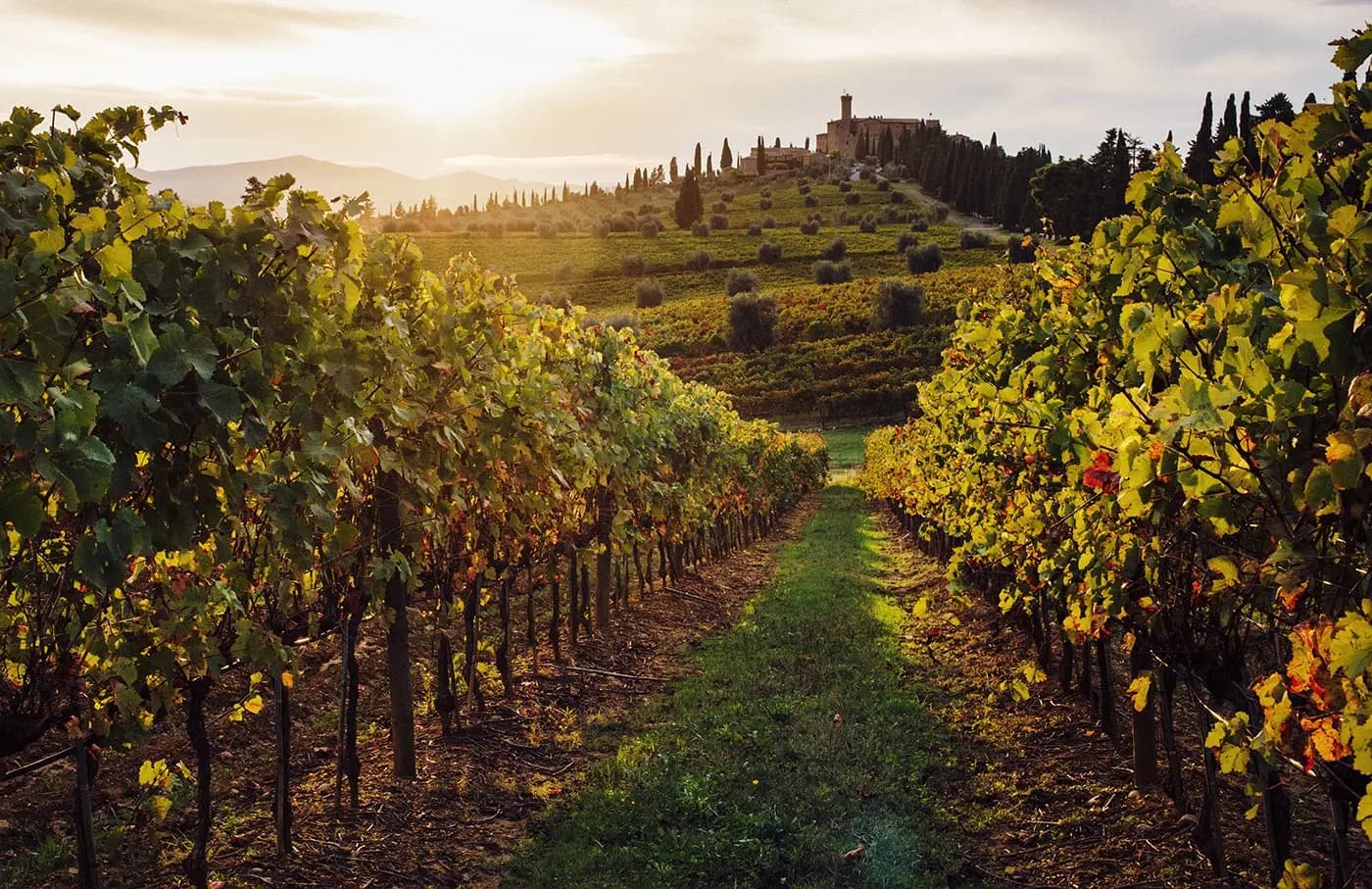
Salento's sun-drenched vineyards produce robust wines primarily from Negroamaro and Primitivo grapes. Known for their rich flavors and full-bodied profiles, these wines reflect the region's warm climate and diverse terroir.

Collections/Countries/Italy/Puglia/Salento

About Salento

Salento, located in the southern part of Puglia, Italy, is renowned for its sun-drenched vineyards that produce some of the most robust and flavorful wines in the region. This appellation is particularly famous for its use of Negroamaro and Primitivo grapes, which thrive in the warm Mediterranean climate. Wines from Salento are characterized by their deep color, rich fruit flavors, and full-bodied texture, making them a favorite among wine enthusiasts. The producer landscape in Salento is diverse, with notable names such as Cantele, Masseria Li Veli, and Cosimo Taurino leading the charge in crafting exceptional wines. These producers are known for their commitment to quality and tradition, offering a range of wines that cater to both entry-level buyers and those seeking premium selections. Salento wines are perfect for those looking to explore the bold and intense flavors of Southern Italy. Whether you're searching for the best Salento wines or a comprehensive Salento wine guide, this region offers something for every palate. The price range is accessible, with everyday drinking options available alongside more premium bottles for special occasions. Choosing Salento means embracing wines that are a true reflection of their terroir, offering a taste of Puglia's rich viticultural heritage. Whether you're a seasoned connoisseur or a curious newcomer, Salento wines promise a rewarding experience.

Regulations & Standards

Salento wines are governed by strict DOC regulations that ensure quality and authenticity. These regulations dictate the permitted grape varieties, with Negroamaro and Primitivo being the most prominent. The wines must adhere to specific production methods, including controlled fermentation temperatures and aging requirements, to preserve the region's traditional styles. For instance, certain Salento DOC wines require a minimum aging period to achieve the desired complexity and balance. These standards ensure that each bottle of Salento wine reflects the appellation's unique terroir and winemaking heritage.

Grape Varieties

Salento is predominantly known for its use of Negroamaro and Primitivo grapes. Negroamaro, a dark-skinned variety, is celebrated for its deep color and robust flavors, often exhibiting notes of blackberries, plums, and spices. Primitivo, genetically linked to Zinfandel, is cherished for its rich, jammy fruit flavors and high alcohol content, making it a staple in the region's full-bodied reds. Other varieties like Malvasia Nera and Susumaniello also contribute to the diversity of Salento's wine offerings, each adding unique characteristics to blends and varietals.

Soil Composition

The soils of Salento are predominantly composed of calcareous clay and limestone, which are ideal for viticulture. These soils provide excellent drainage, crucial for maintaining vine health in the region's warm climate. The limestone content contributes to the minerality found in many Salento wines, while the clay helps retain moisture, ensuring the vines remain hydrated during the hot summer months. This combination of soil types plays a significant role in the development of the rich, concentrated flavors that define Salento wines.

Climate Characteristics

Salento enjoys a warm Mediterranean climate, characterized by hot, dry summers and mild, wet winters. This climate is ideal for grape growing, allowing for a long ripening period that enhances the development of sugars and flavors in the grapes. The consistent sunshine ensures that the grapes achieve full phenolic ripeness, contributing to the deep color and robust flavors typical of Salento wines. The cooling breezes from the Adriatic and Ionian seas also play a crucial role, moderating temperatures and preserving acidity in the wines.

Production Standards

Winemaking in Salento often involves traditional techniques combined with modern innovations to enhance quality. Fermentation is typically conducted in stainless steel tanks to preserve the fresh fruit flavors, while oak aging is used selectively to add complexity and structure. The focus is on minimal intervention, allowing the natural characteristics of the grapes and terroir to shine through. This approach results in wines that are both expressive and true to their origins, offering a genuine taste of Salento.

On this page

  • About Salento
  • Regulations & Standards
  • Grape Varieties
  • Soil Composition
  • Climate Characteristics
  • Production Standards

Frequently Asked Questions

What types of wine are produced in Salento, Italy?
Salento is renowned for its production of robust red wines, particularly those made from the Negroamaro and Primitivo grape varieties. The region also produces some notable rosé and white wines, often using Malvasia Nera and Verdeca grapes.
What is the flavor profile of Salento wines?
Salento wines are known for their full-bodied and rich flavors, often featuring notes of dark berries, plums, and spices. The red wines, especially those made from Primitivo, can have a slightly sweet finish with hints of chocolate and tobacco.
How should I pair Salento wines with food?
Salento's red wines pair well with hearty dishes such as grilled meats, pasta with rich sauces, and aged cheeses. The region's rosé wines complement seafood, light salads, and Mediterranean cuisine, while the white wines are excellent with fish and poultry.
What is the best way to serve Salento wines?
Red wines from Salento are best served at room temperature, around 16-18°C (60-65°F), to enhance their rich flavors. Rosé and white wines should be chilled and served at a temperature of 8-12°C (46-54°F) to preserve their crispness and aromatic qualities.
Are Salento wines suitable for aging?
Many Salento wines, especially those made from Primitivo and Negroamaro, have good aging potential due to their robust structure and tannins. These wines can develop more complex flavors over 5 to 10 years, although some are also enjoyable when consumed young.