-
Capital Spirits Logo

FOR THE THIRSTY

Raise a glass with us #Cheers

FacebookInstagramTikTokYouTube
concierge@capitalspirits.com
AboutLocationsEventsTrack OrderPrivacy PolicyTerms & ConditionsShipping PolicyReturn Policy
VisaMastercardAmerican ExpressApple PayGoogle Pay
Powered by Stripe
© 2026 Capital Spirits. All rights reserved.
REGION

Peloponnese Wine

Peloponnese boasts a rich viticultural heritage with indigenous grape varieties like Agiorgitiko and Moschofilero thriving in its diverse microclimates. This Greek region offers wines with distinctive character and complexity.

Collections/Countries/Greece/Peloponnese

About Peloponnese

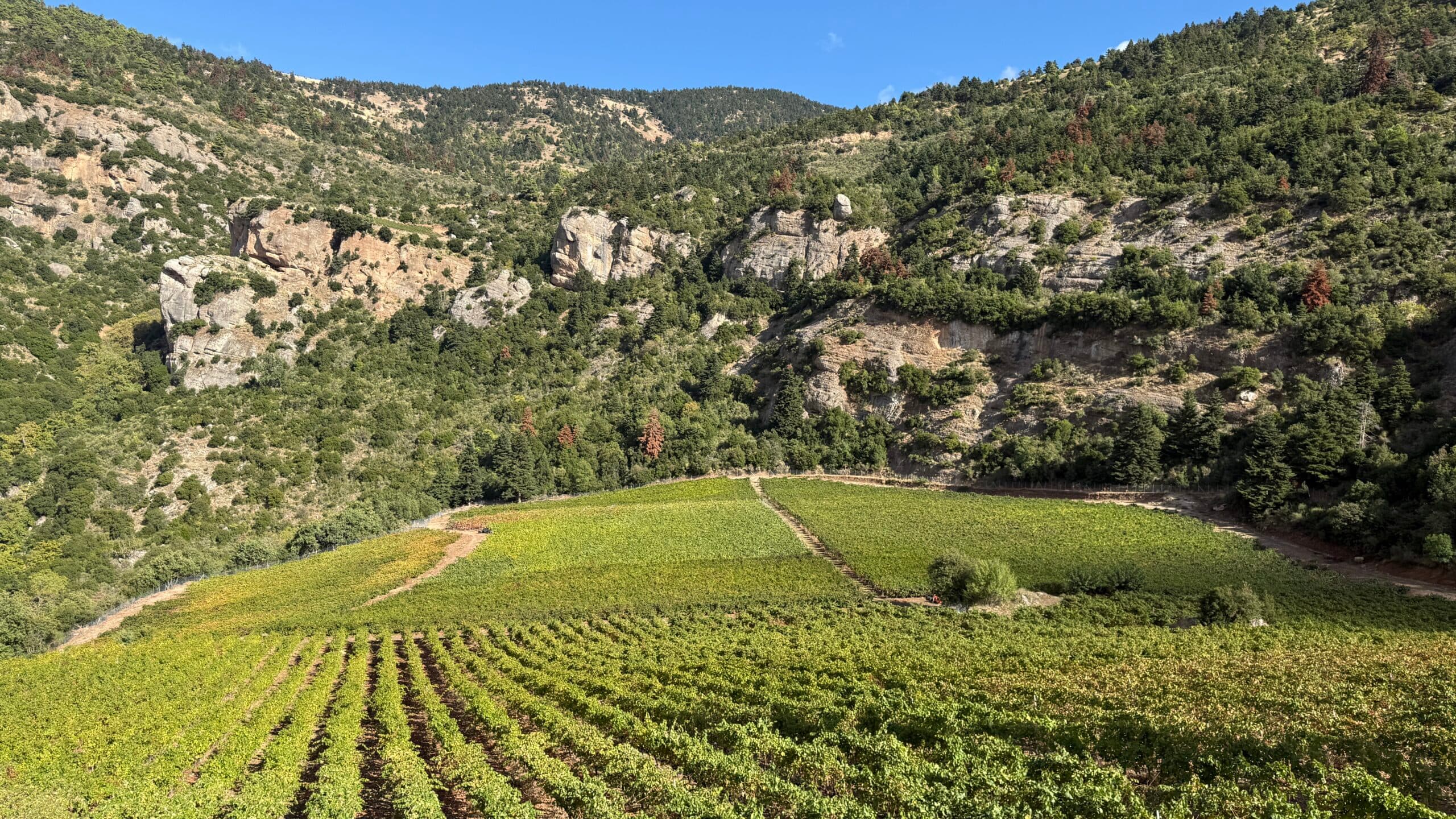
Peloponnese, a peninsula in southern Greece, is a treasure trove of viticultural diversity. Its unique geography, with mountainous terrains and coastal influences, creates a variety of microclimates ideal for grape cultivation. The region is renowned for its indigenous grape varieties, particularly Agiorgitiko and Moschofilero. Agiorgitiko, often referred to as 'St. George', produces rich and aromatic red wines with soft tannins and flavors of red fruits and spices. Moschofilero, on the other hand, is celebrated for its aromatic white wines, offering floral and citrus notes with refreshing acidity. Producers such as Gai'a Wines and Skouras are at the forefront of Peloponnese's wine scene, crafting wines that reflect the region's unique terroir. The wines from Peloponnese are not only a testament to Greece's ancient winemaking traditions but also a modern expression of quality and innovation. For wine enthusiasts, Peloponnese offers a compelling journey through Greece's vinous landscape. Whether you're exploring the bold reds or the aromatic whites, Peloponnese wines promise a distinctive and memorable tasting experience.

Climate & Terroir of Peloponnese

Peloponnese's climate is characterized by its Mediterranean influence, with hot, dry summers and mild, wet winters. The region's varied topography, from coastal plains to mountainous areas, creates diverse microclimates that are ideal for viticulture. Soils in Peloponnese range from limestone to clay, contributing to the complexity and structure of the wines produced here. This diversity allows for a wide range of grape varieties to thrive, each expressing the unique characteristics of their terroir.

Winemaking Traditions

Winemaking in Peloponnese dates back thousands of years, with the region playing a pivotal role in the history of Greek viticulture. Traditional methods are still employed alongside modern techniques, allowing for the preservation of indigenous grape varieties. The use of amphorae, an ancient practice, is still seen in some wineries, reflecting the deep-rooted history of winemaking in the area. This blend of tradition and innovation ensures that Peloponnese wines maintain their unique identity while meeting contemporary quality standards.

Notable Producers in Peloponnese

Peloponnese is home to several notable producers who are dedicated to showcasing the region's unique terroir. Gai'a Wines and Skouras are among the most respected, known for their commitment to quality and innovation. These producers focus on indigenous grape varieties, crafting wines that are both expressive and true to their origins. Their dedication to sustainable practices and traditional methods ensures that the wines of Peloponnese continue to gain recognition on the global stage.

Food Pairings

Peloponnese wines pair beautifully with a variety of Mediterranean dishes. Agiorgitiko's rich red wines complement grilled meats, lamb, and hearty stews, while Moschofilero's aromatic whites are perfect with seafood, salads, and light pasta dishes. The versatility of these wines makes them an excellent choice for both traditional Greek cuisine and international flavors.

History of Peloponnese

The history of winemaking in Peloponnese is as ancient as it is rich. The region has been a center of viticulture since antiquity, with evidence of wine production dating back to the Mycenaean era. Throughout history, Peloponnese has been influenced by various cultures, each leaving its mark on the region's winemaking practices. From the ancient Greeks to the Venetians, each era contributed to the evolution of viticulture in Peloponnese. Today, this historical legacy is evident in the region's diverse wine styles and the continued use of traditional methods.

On this page

  • About Peloponnese
  • Climate & Terroir of Peloponnese
  • Winemaking Traditions
  • Notable Producers in Peloponnese
  • Food Pairings
  • History of Peloponnese

Frequently Asked Questions

What types of wine is the Peloponnese region known for?
The Peloponnese region is renowned for its diverse wine production, particularly for its red wines made from the Agiorgitiko grape and white wines from the Moschofilero grape. These wines are celebrated for their unique flavors and aromas, influenced by the region's varied microclimates and terroirs.
Where can I buy Nemea wine from the Peloponnese?
Nemea wine, a popular red wine from the Peloponnese, can be purchased from premium online alcohol retailers that specialize in Greek wines. Look for retailers that offer a wide selection of wines from the Nemea appellation, known for its rich and fruity Agiorgitiko wines.
What is the best way to serve Moschofilero wine from Peloponnese?
Moschofilero wine from the Peloponnese is best served chilled, between 8-10°C (46-50°F), to enhance its floral and citrus aromas. It pairs well with light dishes such as salads, seafood, and Mediterranean cuisine, making it a versatile choice for various occasions.
Are there any unique spirits produced in the Peloponnese region?
Yes, the Peloponnese region is known for producing Tsipouro, a traditional Greek spirit made from grape pomace. This strong, distilled spirit is often enjoyed as an aperitif and is sometimes flavored with anise, offering a distinctive taste experience.
How does the climate of Peloponnese affect its wine production?
The Peloponnese region benefits from a Mediterranean climate with hot, dry summers and mild, wet winters, which is ideal for viticulture. The diverse topography, including mountainous areas and coastal influences, contributes to the complexity and variety of wines produced in this region.