-
Capital Spirits Logo

FOR THE THIRSTY

Raise a glass with us #Cheers

FacebookInstagramTikTokYouTube
concierge@capitalspirits.com
AboutLocationsEventsTrack OrderPrivacy PolicyTerms & ConditionsShipping PolicyReturn Policy
VisaMastercardAmerican ExpressApple PayGoogle Pay
Powered by Stripe
© 2026 Capital Spirits. All rights reserved.
APPELLATION

Mezcal Spirits from Oaxaca

Mezcal is distinguished by its artisanal production methods, using traditional pit ovens to roast agave hearts. This process imparts a unique smoky flavor, setting Mezcal apart from other spirits.

Collections/Countries/Mexico/Oaxaca/Mezcal

About Mezcal

Mezcal, a spirit deeply rooted in Mexican tradition, is crafted primarily in Oaxaca, where its production is both an art and a cultural heritage. Unlike its cousin tequila, which is made exclusively from blue agave, Mezcal can be produced from over 30 varieties of agave, offering a diverse range of flavors. The most common agave used is Espadín, known for its versatility and balanced profile. The production of Mezcal involves roasting the agave hearts in earthen pit ovens, a method that imparts a distinctive smoky character to the spirit. This artisanal process is a hallmark of Mezcal, contributing to its complex flavor profile that can range from earthy and vegetal to fruity and floral. Among the esteemed producers of Mezcal, Convite Mezcal and Wahaka Mezcal stand out for their commitment to traditional methods and high-quality spirits. Convite Mezcal is renowned for its rich, layered flavors, while Wahaka Mezcal offers a range of expressions that highlight the diverse potential of agave. When purchasing Mezcal, buyers can expect a wide price range, from accessible bottles perfect for casual sipping to premium offerings that showcase the pinnacle of craftsmanship. Entry-level Mezcals provide an excellent introduction to the spirit's unique characteristics, while higher-end options offer depth and complexity for the discerning palate. Choosing Mezcal means embracing a spirit that is not only a testament to Mexican culture but also a versatile addition to any collection. Whether you're seeking the best Mezcal spirits or looking to explore new flavor horizons, Mezcal offers an unparalleled tasting experience.

Regulations & Standards

Mezcal production is governed by strict regulations to ensure quality and authenticity. It must be made from agave plants grown in designated regions, primarily Oaxaca. The agave hearts are traditionally roasted in pit ovens, fermented naturally, and distilled in copper or clay stills. Mezcal must be bottled at a minimum of 36% alcohol by volume, and it can be classified as joven (unaged), reposado (aged 2-12 months), or añejo (aged over 12 months). These classifications help consumers understand the aging process and flavor expectations.

Grape Varieties

Mezcal is not made from grapes but from the agave plant, with Espadín being the most commonly used variety due to its adaptability and balanced flavor profile. Other agave species like Tobalá, Madrecuixe, and Tepeztate are also used, each contributing unique characteristics to the spirit. The choice of agave influences the flavor, aroma, and complexity of the final product, making Mezcal a diverse and intriguing spirit category.

Soil Composition

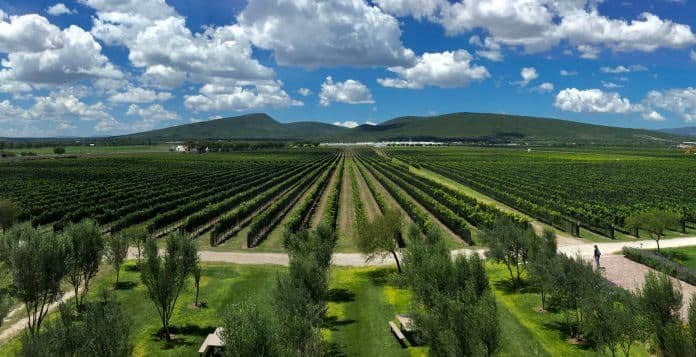
The soils of Oaxaca, where Mezcal is predominantly produced, are varied, ranging from sandy to clay-rich compositions. These soils, combined with the region's mountainous terrain, provide ideal conditions for agave cultivation. The mineral content of the soil influences the growth of the agave plants, contributing to the distinctive flavors found in Mezcal. The terroir of Oaxaca imparts earthy, mineral notes that are often evident in the spirit.

Climate Characteristics

Oaxaca's climate is characterized by warm temperatures and distinct wet and dry seasons, which are conducive to the growth of agave plants. The region's altitude and microclimates create a diverse environment that affects the maturation of agave, resulting in a wide range of flavor profiles. The dry season, in particular, concentrates the sugars in the agave, enhancing the sweetness and complexity of the Mezcal produced.

Production Standards

Mezcal is produced using traditional methods that emphasize artisanal craftsmanship. The agave hearts are roasted in earthen pits, fermented with natural yeasts, and distilled in small batches. This hands-on approach ensures that each batch of Mezcal retains its unique character and quality. The use of copper or clay stills during distillation further influences the flavor profile, offering a range of expressions from smooth and refined to bold and robust.

On this page

  • About Mezcal
  • Regulations & Standards
  • Grape Varieties
  • Soil Composition
  • Climate Characteristics
  • Production Standards

Frequently Asked Questions

What is the difference between Mezcal and Tequila?
Mezcal and Tequila are both distilled from agave plants, but they differ in production methods and regions. Mezcal can be made from over 30 types of agave, while Tequila is only made from blue agave. Additionally, Mezcal is often produced using traditional methods, including roasting the agave in earthen pits, which imparts a smoky flavor.
How should I drink Mezcal?
Mezcal is traditionally sipped neat to appreciate its complex flavors and aromas. It is often served with a slice of orange and a sprinkle of sal de gusano (worm salt) to enhance the tasting experience. Mezcal can also be used in cocktails, offering a unique smoky twist to classic recipes.
What are the best Mezcal brands to try?
Some popular and highly regarded Mezcal brands include Del Maguey, Ilegal, and Montelobos. Each brand offers a range of expressions that highlight different agave varieties and production techniques. It's worth exploring various brands to discover the diverse flavors Mezcal has to offer.
Is Mezcal more expensive than Tequila?
Mezcal can be more expensive than Tequila due to its artisanal production methods and the use of wild or rare agave species. The price can vary widely depending on the brand, agave type, and aging process. However, there are also affordable options available that still offer excellent quality.
What does Mezcal taste like?
Mezcal is known for its distinctive smoky flavor, which comes from the traditional roasting of agave in earthen pits. Beyond the smokiness, Mezcal can have a wide range of flavors, including earthy, floral, fruity, and spicy notes, depending on the agave variety and production methods used. Each bottle of Mezcal offers a unique tasting experience.