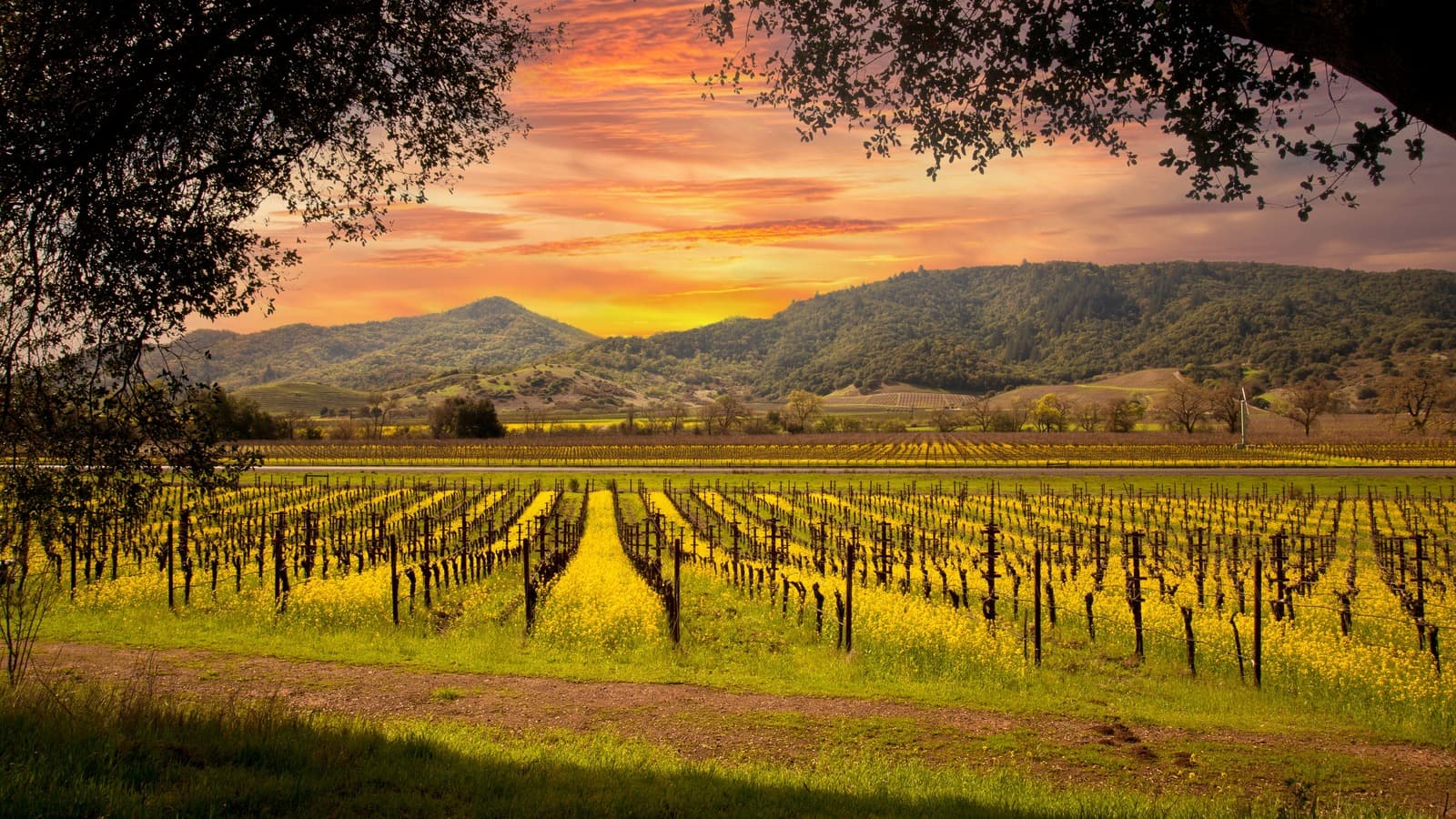
APPELLATION

Napa Valley Wine Selection

Napa Valley's diverse microclimates and volcanic soils create ideal conditions for Cabernet Sauvignon, the region's flagship grape. Explore wines from renowned producers like Dominus Estate and Château Montelena.

About Napa Valley

Napa Valley, a premier wine region in California, is celebrated for its exceptional Cabernet Sauvignon, which thrives in the valley's unique microclimates and diverse soils. The region's wines are characterized by their rich flavors, complexity, and aging potential. Napa Valley's reputation is upheld by esteemed producers such as Dominus Estate, Grgich Hills Estate, and Château Montelena Winery, who craft wines that reflect the terroir's distinct qualities. The valley's dominant grape, Cabernet Sauvignon, offers bold flavors of blackcurrant, plum, and spice, often with a hint of tobacco or leather. Other notable varieties include Merlot, Chardonnay, and Sauvignon Blanc, each contributing to the region's diverse wine portfolio. Napa Valley wines range from approachable, everyday bottles to highly sought-after, collectible vintages, catering to a wide array of palates and budgets. When choosing Napa Valley wines, consider the expertise of producers like Stag's Leap Wine Cellars and Duckhorn Vineyards, known for their meticulous winemaking and commitment to quality. Whether you're seeking the best Napa Valley wines for a special occasion or exploring new varietals, our selection offers something for every wine enthusiast. Experience the elegance and depth of Napa Valley wines and elevate your collection with our curated offerings.

Regulations & Standards

Napa Valley, Est. 1981

Napa Valley is a legally defined American Viticultural Area (AVA) with strict regulations governing wine production. To carry the Napa Valley designation, wines must be made from at least 85% grapes grown within the AVA. The region is known for its commitment to quality, with many producers adhering to sustainable and organic farming practices. While there are no specific aging requirements for Napa Valley wines, many producers choose to age their wines in oak barrels to enhance complexity and depth, particularly for Cabernet Sauvignon.

Grape Varieties

Napa Valley is renowned for its Cabernet Sauvignon, which dominates the region's vineyards due to its ability to thrive in the valley's warm climate and varied soils. Merlot, often blended with Cabernet Sauvignon, adds softness and complexity to the wines. Chardonnay and Sauvignon Blanc are the leading white varieties, known for their crisp acidity and vibrant fruit flavors. Other grapes such as Zinfandel, Pinot Noir, and Petit Verdot also contribute to the region's diverse wine offerings, each bringing unique characteristics influenced by Napa's microclimates.

Soil Composition

Napa Valley's soils are among the most diverse in the world, with over 100 different soil variations. The region's volcanic soils, particularly those found on the valley's hillsides, are rich in minerals and provide excellent drainage, which is ideal for growing high-quality grapes. Alluvial soils on the valley floor contribute to the rich, concentrated flavors found in Napa's wines. This diversity allows winemakers to craft wines with distinct profiles, reflecting the unique terroir of each vineyard site.

Climate Characteristics

Napa Valley's climate is characterized by warm, sunny days and cool, foggy nights, creating a long growing season that allows grapes to develop full ripeness while retaining acidity. The valley's proximity to the Pacific Ocean influences its microclimates, with cooler temperatures in the southern parts and warmer conditions in the north. This climatic variation supports a wide range of grape varieties, each benefiting from the specific conditions of their growing area, resulting in wines with balanced structure and complexity.

Production Standards

Winemaking in Napa Valley is characterized by a commitment to quality and innovation. Many producers employ traditional techniques such as hand-harvesting and small-batch fermentation to preserve the integrity of the fruit. Oak aging is common, with French and American oak barrels used to impart additional flavors and structure. The use of modern technology, alongside time-honored practices, allows Napa Valley winemakers to craft wines that are both expressive of their terroir and consistently high in quality.

Frequently Asked Questions

What types of wine is Napa Valley known for?
Napa Valley is renowned for its premium wines, particularly Cabernet Sauvignon, which thrives in its diverse microclimates. The region also produces excellent Chardonnay, Merlot, and Sauvignon Blanc, among other varietals.
How does the climate of Napa Valley affect its wine production?
Napa Valley's Mediterranean climate, with its warm, dry summers and mild, wet winters, is ideal for grape growing. The region's varied topography and microclimates contribute to the complexity and diversity of its wines.
What are the best wineries to visit in Napa Valley?
Some of the most acclaimed wineries in Napa Valley include Robert Mondavi Winery, Stag's Leap Wine Cellars, and Opus One. Each offers unique tasting experiences and showcases the region's exceptional wine-making heritage.
When is the best time to visit Napa Valley for wine tasting?
The best time to visit Napa Valley for wine tasting is during the harvest season, from August to October, when the vineyards are bustling with activity. Spring, from March to May, is also a great time to visit, with blooming wildflowers and fewer crowds.
What is the price range for Napa Valley wines?
Napa Valley wines can range from affordable bottles starting around $20 to premium selections that can exceed several hundred dollars. The price often reflects the wine's quality, rarity, and the reputation of the winery.