-
Capital Spirits Logo

FOR THE THIRSTY

Raise a glass with us #Cheers

FacebookInstagramTikTokYouTube
concierge@capitalspirits.com
AboutLocationsEventsTrack OrderPrivacy PolicyTerms & ConditionsShipping PolicyReturn Policy
VisaMastercardAmerican ExpressApple PayGoogle Pay
Powered by Stripe
© 2026 Capital Spirits. All rights reserved.
REGION

Nahe Wine

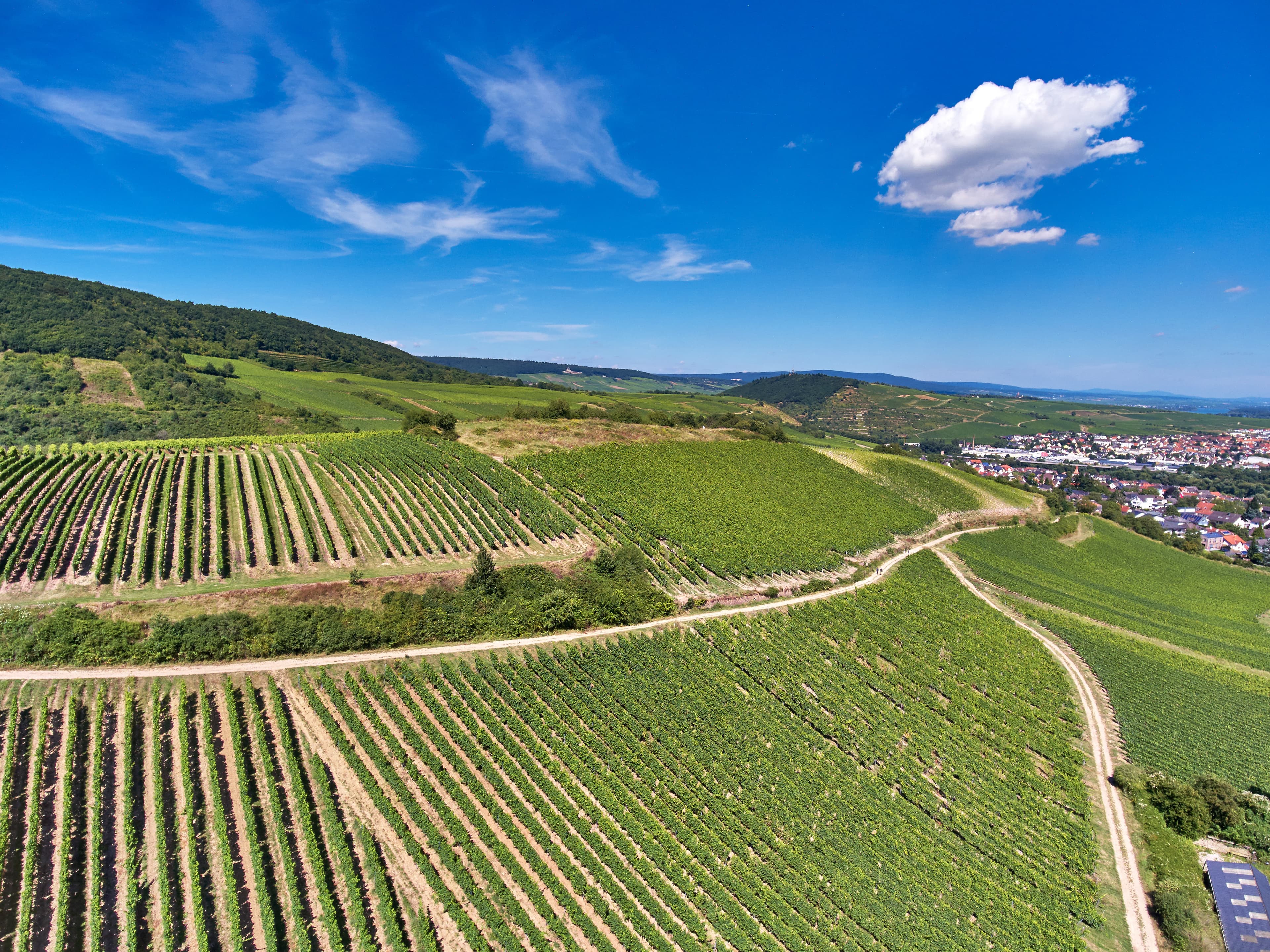
Nahe's volcanic and slate-rich soils create Rieslings of exceptional minerality and complexity. This German region is home to esteemed producers like Dönnhoff and Schlossgut Diel, offering wines that captivate with their precision and depth.

Collections/Countries/Germany/Nahe

About Nahe

Nestled in the heart of Germany, the Nahe wine region is a hidden gem known for its diverse soils and microclimates, which contribute to the production of some of the country's most distinctive wines. The region's volcanic and slate-rich soils are particularly suited to Riesling, which thrives here, offering wines that range from bone-dry to lusciously sweet. These wines are celebrated for their vibrant acidity, pronounced minerality, and complex flavor profiles. Nahe's winemaking landscape is dotted with renowned producers such as Dönnhoff and Schlossgut Diel, who are revered for their meticulous craftsmanship and commitment to quality. These producers harness the unique terroir to create wines that are both expressive and elegant, making them a favorite among connoisseurs and collectors alike. For wine enthusiasts seeking something truly special, Nahe offers a compelling blend of tradition and innovation. Whether you're drawn to the crisp, refreshing whites or the more opulent, age-worthy selections, Nahe's wines promise a journey of discovery and delight.

Climate & Terroir of Nahe

Nahe's climate is characterized by a mix of continental and maritime influences, providing a long growing season that allows grapes to develop full flavors while retaining refreshing acidity. The region's topography is marked by steep slopes and a variety of soil types, including volcanic, slate, and quartzite, which impart distinct mineral qualities to the wines. This diversity in soils and microclimates enables winemakers to craft a wide range of styles, from zesty, dry whites to rich, complex sweet wines.

Winemaking Traditions

Winemaking in Nahe is steeped in tradition, with a focus on sustainable practices and minimal intervention to allow the natural expression of the terroir. Many producers employ traditional methods such as hand-harvesting and spontaneous fermentation, which help preserve the unique characteristics of the grapes. The emphasis on quality over quantity is evident in the meticulous attention to detail throughout the winemaking process, resulting in wines that are both authentic and reflective of their origin.

Notable Producers in Nahe

Nahe is home to several notable producers who have gained international acclaim for their exceptional wines. Dönnhoff is renowned for its precise and expressive Rieslings, while Schlossgut Diel is celebrated for its elegant and complex offerings. Kruger-Rumpf and Weingut Dr. Crusius also contribute to the region's reputation with their high-quality wines that showcase the diversity and potential of Nahe's terroir.

Food Pairings

Nahe wines, particularly Rieslings, are incredibly versatile when it comes to food pairings. Their bright acidity and mineral notes make them a perfect match for seafood dishes, such as grilled salmon or shrimp ceviche. For a more traditional pairing, try them with German cuisine like schnitzel or sauerkraut. The sweeter styles can beautifully complement spicy Asian dishes or rich desserts like apple strudel.

History of Nahe

The Nahe region has a rich winemaking history that dates back to Roman times. Over the centuries, the region has evolved, with viticulture becoming a cornerstone of its cultural and economic identity. The 19th century saw significant advancements in winemaking techniques, leading to the establishment of many of the esteemed estates that continue to thrive today. Despite its relatively small size, Nahe has made a significant impact on the global wine scene, thanks to its dedication to quality and the unique expression of its terroir.

On this page

  • About Nahe
  • Climate & Terroir of Nahe
  • Winemaking Traditions
  • Notable Producers in Nahe
  • Food Pairings
  • History of Nahe

Frequently Asked Questions

What types of wine is the Nahe region known for?
The Nahe region is renowned for its diverse range of wines, particularly its high-quality Rieslings. The area also produces excellent Pinot Blanc, Pinot Gris, and Silvaner wines, benefiting from varied soil types and microclimates.
How does Nahe Riesling differ from other German Rieslings?
Nahe Rieslings are known for their balance of acidity and fruitiness, often exhibiting flavors of stone fruits and citrus. The region's varied soils contribute to a unique minerality, setting them apart from Rieslings from the Mosel or Rheingau regions.
What are the best vineyards or producers in the Nahe region?
Some of the most acclaimed producers in the Nahe region include Dönnhoff, Schäfer-Fröhlich, and Emrich-Schönleber. These wineries are celebrated for their exceptional Rieslings and commitment to quality.
What is the climate like in the Nahe wine region?
The Nahe region enjoys a temperate climate with warm summers and mild winters, ideal for viticulture. The diverse topography and proximity to the Nahe River create microclimates that enhance the complexity of the wines.
Are there any wine tours or tastings available in the Nahe region?
Yes, the Nahe region offers numerous wine tours and tastings, allowing visitors to explore its picturesque vineyards and sample its renowned wines. Many wineries provide guided tours and tastings, offering insights into their winemaking processes and the unique characteristics of their wines.