-
Capital Spirits Logo

FOR THE THIRSTY

Raise a glass with us #Cheers

FacebookInstagramTikTokYouTube
concierge@capitalspirits.com
AboutLocationsEventsTrack OrderPrivacy PolicyTerms & ConditionsShipping PolicyReturn Policy
VisaMastercardAmerican ExpressApple PayGoogle Pay
Powered by Stripe
© 2026 Capital Spirits. All rights reserved.
APPELLATION

Vinho Verde Wine

Vinho Verde is distinguished by its youthful, vibrant wines, often featuring a slight effervescence. This appellation in Portugal's Minho region is known for its refreshing acidity and aromatic profiles.

Collections/Countries/Portugal/Minho/Vinho Verde

About Vinho Verde

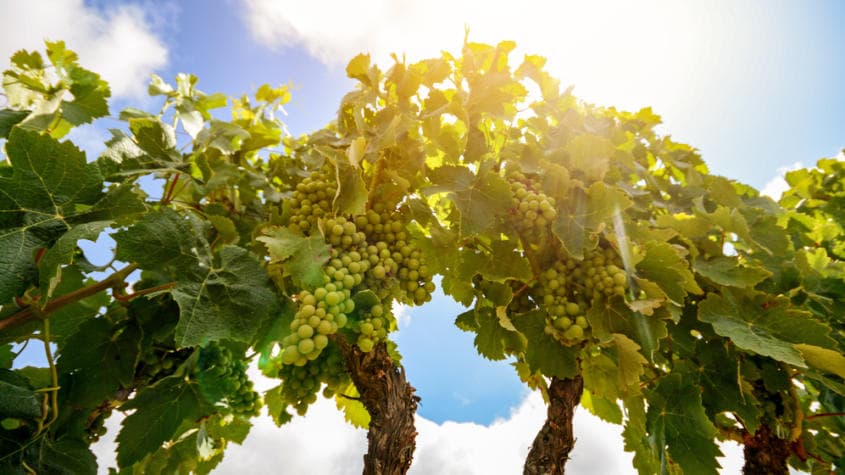
Vinho Verde, hailing from Portugal's lush Minho region, is celebrated for its youthful and vibrant wines. Known for their slight effervescence and refreshing acidity, these wines are perfect for those seeking a lively drinking experience. The appellation permits a variety of grape varieties, with Alvarinho, Loureiro, and Arinto being among the most prominent. These grapes contribute to the wines' aromatic and crisp character, making them ideal for warm weather enjoyment. Producers such as Aveleda, João Portugal Ramos, and Anselmo Mendes are renowned for crafting some of the best Vinho Verde wines, each offering a unique expression of the region's terroir. From entry-level options like Casal Garcia and Gazela to more premium selections from Quinta do Regueiro and Muros Antigos, there is a Vinho Verde for every palate and budget. When purchasing Vinho Verde, buyers can expect wines that are light, aromatic, and often with a hint of spritz. These wines pair beautifully with seafood, salads, and light appetizers, making them versatile for various dining occasions. Whether you're looking to buy Vinho Verde for a casual gathering or a sophisticated meal, this wine guide will help you navigate the diverse offerings of this unique Portuguese appellation.

Regulations & Standards

The Vinho Verde DOC (Denominação de Origem Controlada) has specific regulations to maintain the quality and authenticity of its wines. These regulations include restrictions on grape varieties, with Alvarinho, Loureiro, and Arinto being the most common. The wines must be produced within the Minho region and adhere to strict yield limits to ensure concentration and quality. Vinho Verde wines are typically low in alcohol, ranging from 8.5% to 11.5%, and are often bottled with a slight effervescence, which is a traditional characteristic of the region. These regulations ensure that Vinho Verde wines maintain their distinctive style and high standards.

Grape Varieties

Vinho Verde is home to a diverse array of grape varieties, with Alvarinho, Loureiro, and Arinto being the most prominent. Alvarinho is known for its aromatic intensity and crisp acidity, often producing wines with notes of citrus and stone fruits. Loureiro, another key variety, offers floral aromas and a refreshing palate, while Arinto contributes to the wine's vibrant acidity and mineral undertones. Other permitted varieties include Trajadura, Avesso, and Azal, each adding unique characteristics to the blend. These grapes thrive in the cool, maritime climate of Minho, producing wines that are light, fresh, and perfect for early consumption.

Soil Composition

The soils of Vinho Verde are predominantly granitic, which is ideal for producing wines with high acidity and minerality. These well-drained soils, combined with the region's abundant rainfall, allow the vines to develop deep root systems, enhancing the complexity and structure of the wines. The granitic influence imparts a distinctive mineral character, which is a hallmark of Vinho Verde wines. In some areas, schist and clay soils can also be found, contributing additional layers of flavor and texture to the wines.

Climate Characteristics

Vinho Verde benefits from a maritime climate, characterized by mild temperatures and high humidity due to its proximity to the Atlantic Ocean. This climate ensures a long growing season, allowing grapes to ripen slowly and retain their natural acidity. The frequent rainfall and cool breezes help to moderate temperatures, preventing over-ripening and preserving the fresh, vibrant character of the wines. This unique climate is instrumental in producing the light, crisp, and aromatic wines that Vinho Verde is known for.

Production Standards

Winemaking in Vinho Verde often involves techniques that preserve the freshness and aromatic qualities of the grapes. Fermentation is typically conducted in stainless steel tanks at controlled temperatures to retain the vibrant fruit character. The slight effervescence found in many Vinho Verde wines is achieved through a natural process, either by capturing CO2 during fermentation or by adding a small amount of carbon dioxide before bottling. These methods ensure that the wines are lively and refreshing, embodying the spirit of the region.

On this page

  • About Vinho Verde
  • Regulations & Standards
  • Grape Varieties
  • Soil Composition
  • Climate Characteristics
  • Production Standards

Frequently Asked Questions

What is Vinho Verde wine?
Vinho Verde is a unique Portuguese wine from the Minho region, known for its light, crisp, and slightly effervescent character. It is typically made from a blend of local grape varieties and can be white, red, or rosé.
How should I serve Vinho Verde?
Vinho Verde is best served chilled, around 45-55°F (7-13°C), to enhance its refreshing qualities. It pairs well with seafood, salads, and light appetizers.
Is Vinho Verde a dry or sweet wine?
Vinho Verde is generally a dry wine, although some versions may have a hint of sweetness. The wine is known for its high acidity and fresh, fruity flavors.
What are the main grape varieties used in Vinho Verde?
The main grape varieties used in Vinho Verde include Alvarinho, Loureiro, and Arinto for white wines, and Vinhão, Espadeiro, and Padeiro for red wines. These grapes contribute to the wine's distinctive aromatic and flavor profile.
How long can I store Vinho Verde?
Vinho Verde is best enjoyed young, typically within 1-2 years of bottling, to appreciate its fresh and vibrant character. While it can be stored longer, it may lose some of its signature effervescence and freshness over time.