-
Capital Spirits Logo

FOR THE THIRSTY

Raise a glass with us #Cheers

FacebookInstagramTikTokYouTube
concierge@capitalspirits.com
AboutLocationsEventsTrack OrderPrivacy PolicyTerms & ConditionsShipping PolicyReturn Policy
VisaMastercardAmerican ExpressApple PayGoogle Pay
Powered by Stripe
© 2026 Capital Spirits. All rights reserved.
REGION

Mendoza Wine

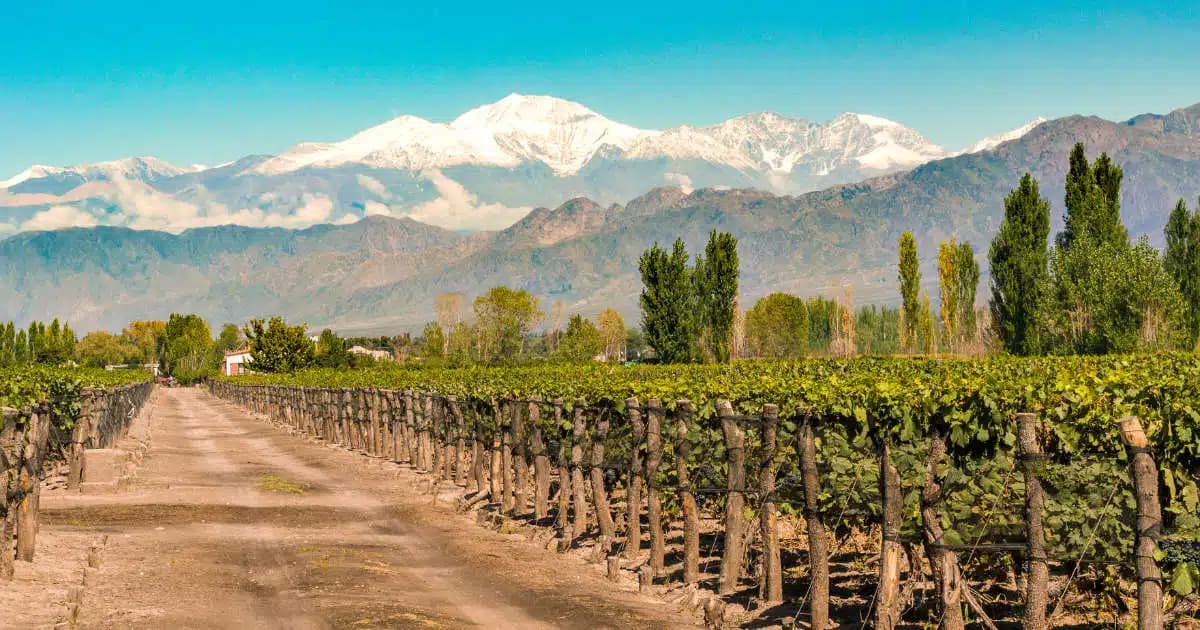
Mendoza's high-altitude vineyards, nestled against the Andes, produce some of the world's most celebrated Malbecs. This region's unique combination of altitude and arid climate creates wines with intense flavors and vibrant acidity.

Collections/Countries/Argentina/Mendoza

About Mendoza

Mendoza, Argentina's most prominent wine region, is famed for its high-altitude vineyards that stretch along the Andes Mountains. This unique geography provides a perfect environment for grape growing, with sunny days and cool nights that enhance the development of complex flavors. Malbec is the flagship grape of Mendoza, known for its deep color, rich fruit flavors, and velvety texture. However, the region also excels in producing Cabernet Sauvignon, Chardonnay, and Torrontés. Producers like Catena Zapata and Zuccardi have been instrumental in elevating Mendoza's global reputation, crafting wines that reflect the region's distinctive terroir. Domaine Bousquet Winery and Trapiche are also renowned for their commitment to quality and innovation. Mendoza wines are celebrated for their bold flavors, with notes of ripe plum, blackberry, and subtle spice, often complemented by a hint of minerality from the region's diverse soils. For wine enthusiasts, Mendoza offers a captivating journey into the heart of Argentine viticulture, where tradition meets modern winemaking techniques. Whether you're a seasoned connoisseur or a curious newcomer, exploring Mendoza wines promises a rewarding experience.
Climate & Terroir of Mendoza

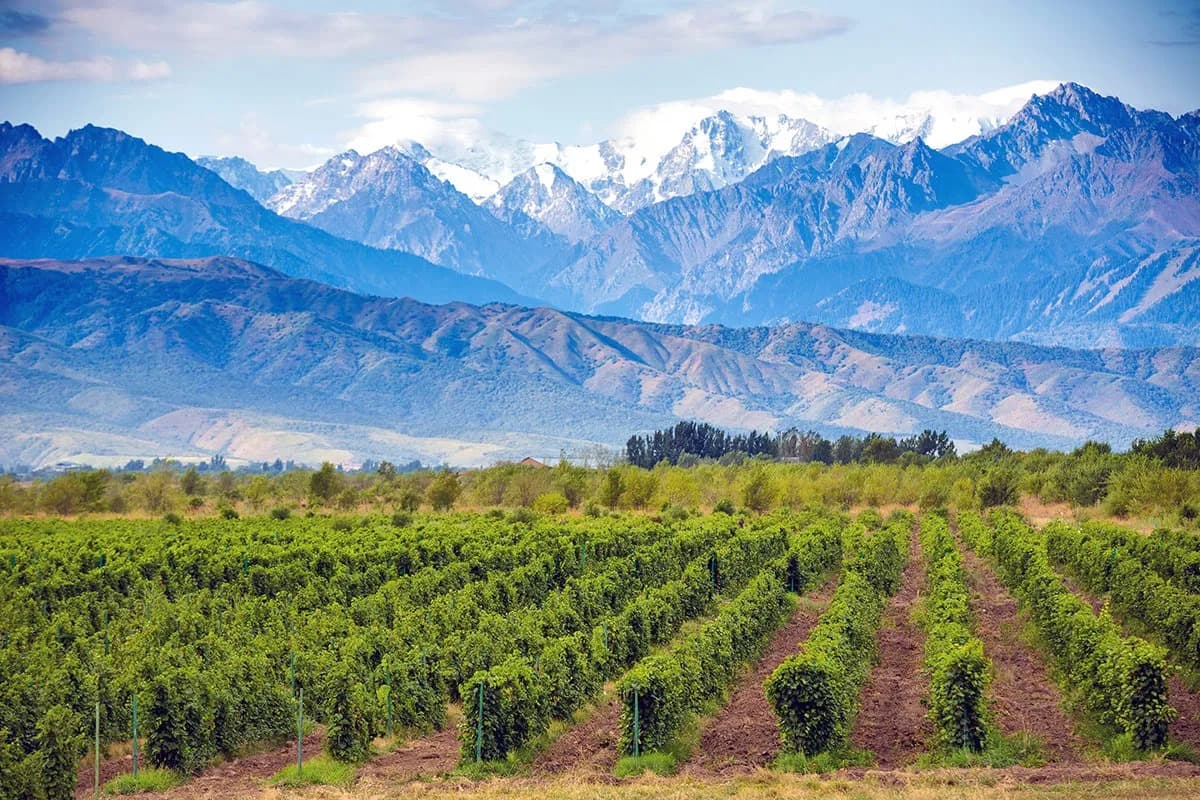
Mendoza's climate is defined by its high altitude and arid conditions, with vineyards planted at elevations ranging from 800 to 1,200 meters above sea level. This altitude provides a significant diurnal temperature variation, which is crucial for developing the grapes' acidity and flavor complexity. The region's soils are predominantly alluvial, composed of sand, clay, and gravel, which offer excellent drainage and contribute to the mineral character of the wines. The Andes Mountains play a vital role in protecting the vineyards from excessive rainfall, ensuring a dry growing season that minimizes disease pressure and allows for optimal ripening.

Winemaking Traditions

Winemaking in Mendoza is deeply rooted in tradition, yet it embraces innovation to enhance the quality of its wines. The region's winemakers often employ traditional techniques such as hand-harvesting and fermentation in concrete vats, which help preserve the purity of the fruit. Aging in oak barrels is common, adding complexity and structure to the wines. Mendoza's winemakers are also known for their sustainable practices, focusing on organic and biodynamic viticulture to maintain the health of the vineyards and the surrounding environment. This blend of tradition and modernity ensures that Mendoza continues to produce wines of exceptional character and quality.

Notable Producers in Mendoza

Mendoza is home to some of Argentina's most esteemed wine producers. Catena Zapata is a pioneer in high-altitude viticulture, producing wines that have garnered international acclaim. Zuccardi, known for its innovative approach, crafts wines that reflect the diverse terroirs of the Uco Valley. Other notable producers include Norton, renowned for its rich and balanced wines, and Trapiche, one of the largest and most historic wineries in the region. These producers, along with others like El Enemigo and Achaval Ferrer, contribute to Mendoza's reputation as a world-class wine region.

Food Pairings

Mendoza wines, particularly Malbec, pair beautifully with a variety of foods. The bold flavors and rich texture of Malbec complement grilled meats, making it an ideal match for Argentine asado. Cabernet Sauvignon from Mendoza pairs well with hearty dishes like lamb or beef stew, while Chardonnay is a perfect companion for creamy pasta or roasted chicken. For a lighter option, Torrontés, with its floral and citrus notes, pairs wonderfully with spicy Asian cuisine or fresh seafood.

History of Mendoza

The history of winemaking in Mendoza dates back to the 16th century when Spanish settlers first introduced grapevines to the region. However, it wasn't until the late 19th century, with the arrival of Italian and French immigrants, that Mendoza's wine industry began to flourish. These immigrants brought with them viticultural knowledge and grape varieties that would become staples in the region, such as Malbec. Over the years, Mendoza has evolved into Argentina's leading wine-producing region, accounting for nearly two-thirds of the country's wine output. The combination of traditional practices and modern innovations has propelled Mendoza onto the global stage, earning it a reputation for producing wines of exceptional quality and character.

On this page

  • About Mendoza
  • Climate & Terroir of Mendoza
  • Winemaking Traditions
  • Notable Producers in Mendoza
  • Food Pairings
  • History of Mendoza

Frequently Asked Questions

What makes Mendoza Malbec wines unique?
Mendoza Malbec wines are renowned for their deep color, rich fruit flavors, and velvety texture. The high altitude vineyards and sunny climate of Mendoza contribute to the grapes' intense concentration and balanced acidity, making these wines particularly distinctive.
Which are the best wineries to visit in Mendoza?
Some of the top wineries in Mendoza include Catena Zapata, known for its pioneering role in Argentine wine, and Bodega Salentein, which offers stunning architecture and a diverse range of wines. Other notable wineries include Achaval-Ferrer and Bodega Norton, each offering unique tasting experiences.
What is the best time of year to buy Mendoza wines?
The best time to purchase Mendoza wines is during the harvest season, which typically runs from February to April. This period ensures the freshest releases and often coincides with wine festivals and events that showcase the latest vintages.
How does the terroir of Mendoza affect its wine production?
Mendoza's terroir, characterized by its high altitude, sunny days, and cool nights, contributes to the development of complex flavors and balanced acidity in its wines. The diverse soil types, ranging from clay to sandy loam, also play a crucial role in influencing the taste and quality of the grapes.
Are there any notable white wines produced in Mendoza?
Yes, Mendoza is also known for producing excellent white wines, particularly from the Torrontés and Chardonnay grape varieties. Torrontés offers aromatic floral notes and crisp acidity, while Mendoza Chardonnays are often rich and full-bodied with flavors of tropical fruit and vanilla.

Appellations of Mendoza

Lujan de Cuyo wines and spirits

Lujan de Cuyo

38

Lujan de Cuyo, the heart of Argentina's Malbec production, benefits from high-altitude vineyards that enhance the grape's rich, bold flavors. This appellation is renowned for producing wines with intense color and robust structure.