-
Capital Spirits Logo

FOR THE THIRSTY

Raise a glass with us #Cheers

FacebookInstagramTikTokYouTube
concierge@capitalspirits.com
AboutLocationsEventsTrack OrderPrivacy PolicyTerms & ConditionsShipping PolicyReturn Policy
VisaMastercardAmerican ExpressApple PayGoogle Pay
Powered by Stripe
© 2026 Capital Spirits. All rights reserved.
APPELLATION

Lisboa Wine Selection

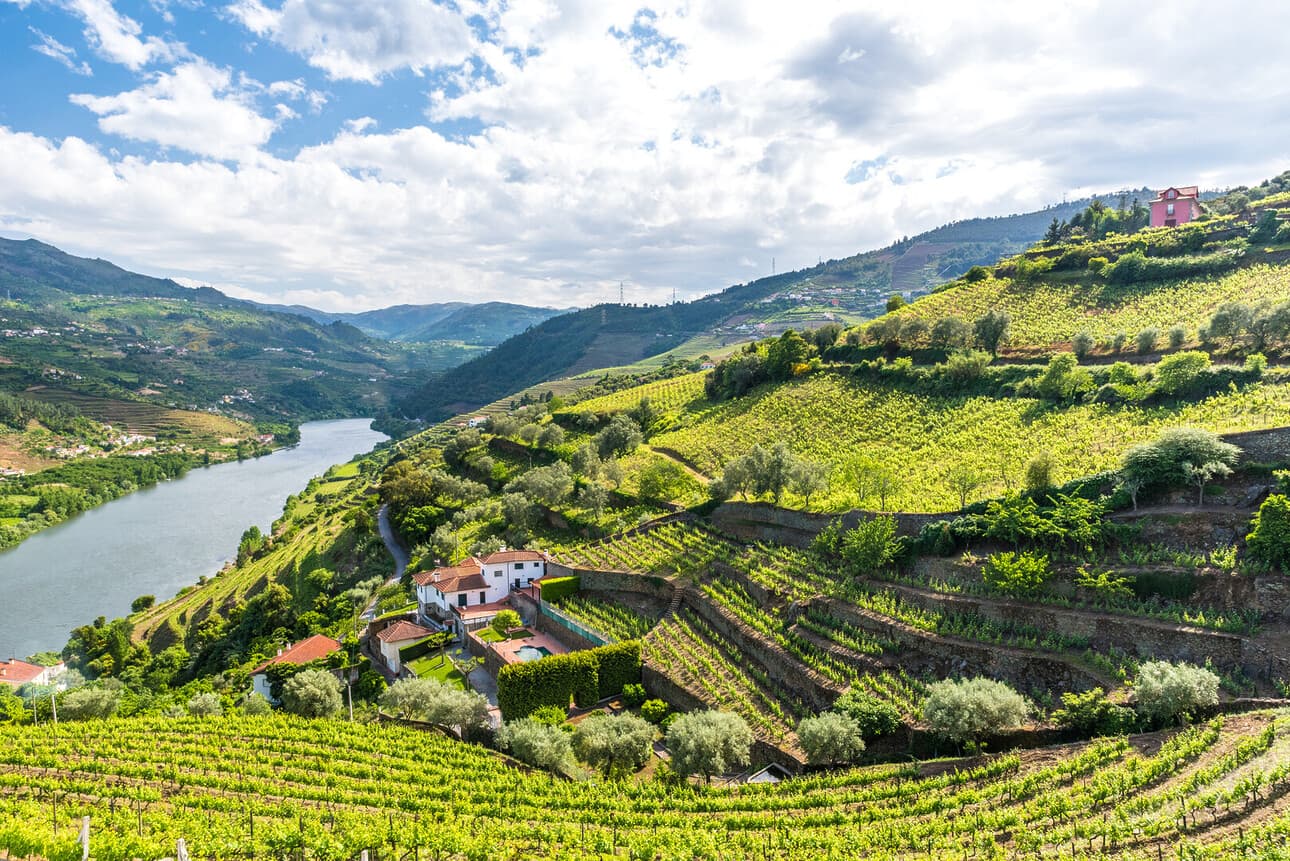
Lisboa's diverse terroir and Atlantic influence create wines with vibrant acidity and aromatic complexity. Explore offerings from Quinta De Chocapalha and José Maria Da Fonseca.

Collections/Countries/Portugal/Lisboa/Lisboa

About Lisboa

Lisboa, a dynamic wine region in Portugal, is celebrated for its diverse terroir and the cooling influence of the Atlantic Ocean, which together craft wines of vibrant acidity and aromatic complexity. This appellation is home to a variety of grape varieties, both indigenous and international, offering a broad spectrum of wine styles. Key producers such as Quinta De Chocapalha and José Maria Da Fonseca highlight the region's potential, producing wines that range from approachable everyday bottles to premium selections. The dominant grape varieties in Lisboa include Arinto, known for its crisp acidity, and Castelão, which offers rich fruit flavors. International varieties like Syrah and Chardonnay also thrive here, adding to the region's versatility. Lisboa wines are characterized by their freshness, balanced structure, and a unique minerality imparted by the region's diverse soils. For those seeking the best Lisboa wines, look for offerings from producers like Quinta De Chocapalha, known for their meticulous craftsmanship, and José Maria Da Fonseca, a historic name in Portuguese winemaking. Whether you're exploring entry-level options or indulging in premium selections, Lisboa offers a wine for every palate and occasion. Choosing Lisboa wines means embracing a region that combines tradition with innovation, offering wines that are not only delicious but also a true expression of their terroir. Whether you're searching for the best Lisboa wines or simply looking to expand your wine collection, this region provides a compelling choice for wine enthusiasts.

Regulations & Standards

Lisboa's wine production is governed by strict regulations that ensure quality and authenticity. The region's wines are classified under the Vinho Regional Lisboa designation, which allows for a wide range of grape varieties and styles. However, producers must adhere to specific guidelines regarding vineyard practices and winemaking techniques. These regulations ensure that wines labeled as Lisboa reflect the region's unique terroir and maintain a high standard of quality. The emphasis on traditional methods combined with modern innovation allows Lisboa wines to stand out in the global market.

Grape Varieties

Lisboa's vineyards are planted with a mix of indigenous and international grape varieties. Arinto, a native white grape, is prized for its high acidity and citrus notes, making it ideal for fresh, zesty wines. Castelão, a red variety, is widely grown and offers wines with rich berry flavors and a smooth texture. International varieties such as Syrah and Chardonnay also thrive in Lisboa's climate, contributing to the region's diverse wine styles. The adaptability of these grapes to the local terroir allows for a wide range of wine expressions, from light and aromatic whites to robust and structured reds.

Soil Composition

The soils of Lisboa are varied, with a predominance of clay-limestone and sandy soils. These soil types play a crucial role in the character of Lisboa wines. Clay-limestone soils retain moisture, providing a steady supply of water to the vines, which is essential during the dry summer months. This results in wines with balanced acidity and minerality. Sandy soils, on the other hand, offer excellent drainage, which is beneficial for red grape varieties, enhancing their concentration and aromatic intensity. This diversity in soil composition allows for a wide range of wine styles and expressions.

Climate Characteristics

Lisboa benefits from a maritime climate, heavily influenced by the Atlantic Ocean. This results in moderate temperatures, with cool breezes that help maintain acidity and freshness in the wines. The region experiences warm summers and mild winters, providing an ideal growing environment for both red and white grape varieties. The cooling effect of the ocean is particularly beneficial during the growing season, preventing excessive heat and allowing grapes to ripen slowly, which enhances flavor development and complexity in the wines.

Production Standards

Winemaking in Lisboa combines traditional practices with modern techniques to enhance quality and expression. Producers often employ sustainable vineyard practices to preserve the natural environment and improve grape quality. In the winery, a focus on gentle handling and controlled fermentation processes helps to retain the natural flavors and aromas of the grapes. Aging in both stainless steel and oak barrels is common, allowing for a balance of freshness and complexity in the wines. These standards ensure that Lisboa wines are both authentic and of high quality.

On this page

  • About Lisboa
  • Regulations & Standards
  • Grape Varieties
  • Soil Composition
  • Climate Characteristics
  • Production Standards

Frequently Asked Questions

What types of wine are produced in the Lisboa wine region?
The Lisboa wine region is known for producing a diverse range of wines, including reds, whites, and rosés. Notable grape varieties include Arinto, Fernão Pires, and Castelão, with the region's wines often characterized by their freshness and vibrant acidity.
Are Lisboa wines good for aging?
Many Lisboa wines, particularly the reds made from grape varieties like Touriga Nacional and Alicante Bouschet, have good aging potential. These wines can develop complex flavors over time, making them suitable for cellaring.
What food pairs well with Lisboa wines?
Lisboa wines pair well with a variety of foods due to their versatility. White wines from the region complement seafood and poultry dishes, while the reds are well-suited for grilled meats and hearty stews.
How does the climate of Lisboa affect its wine production?
The Lisboa region benefits from a maritime climate with Atlantic Ocean influences, providing moderate temperatures and consistent rainfall. This climate helps produce wines with balanced acidity and fresh fruit flavors.
What is the price range for wines from Lisboa?
Wines from the Lisboa region are generally affordable, with many options available in the mid-range price category. However, there are also premium selections that offer exceptional quality at higher price points.