-
Capital Spirits Logo

FOR THE THIRSTY

Raise a glass with us #Cheers

FacebookInstagramTikTokYouTube
concierge@capitalspirits.com
AboutLocationsEventsTrack OrderPrivacy PolicyTerms & ConditionsShipping PolicyReturn Policy
VisaMastercardAmerican ExpressApple PayGoogle Pay
Powered by Stripe
© 2026 Capital Spirits. All rights reserved.
REGION

Illinois Spirits and Craft Distilling

Illinois is a hub for innovative craft distilling, with producers like Few Spirits and Koval leading the way in creating unique, flavorful spirits. Explore our selection of Illinois spirits that showcase the state's creativity and craftsmanship.

Collections/Countries/USA/Illinois

About Illinois

Illinois stands out in the spirits world for its innovative craft distilling scene. With a focus on creativity and quality, Illinois distillers like Few Spirits and Koval are known for producing spirits that are both unique and flavorful. The state's distillers often experiment with a variety of grains and botanicals, resulting in a diverse range of products that appeal to both traditionalists and those seeking something new. The flavor profiles of Illinois spirits are as varied as the producers themselves. From the smooth, rich bourbons to the crisp, aromatic gins, there's something for every palate. Few Spirits, for example, is celebrated for its bold, complex bourbons, while Koval is known for its organic, single-barrel whiskies that offer a clean, nuanced taste. Illinois's spirits scene is not just about the products; it's about the passion and innovation of its producers. This dedication to craft and quality is what makes Illinois spirits a must-try for enthusiasts and newcomers alike. Whether you're looking to explore new flavors or find a unique gift, Illinois spirits offer a taste of the state's vibrant distilling culture.

Climate & Terroir of Illinois

Illinois's climate, with its hot summers and cold winters, provides a unique environment for spirits production. The state's fertile soils, particularly in the northern regions, contribute to the quality of grains used in distilling. This climate allows for a wide range of grains to thrive, which are then used to create diverse and flavorful spirits. The variation in temperature also plays a role in the aging process, influencing the development of complex flavors in spirits like bourbon and whiskey.

Winemaking Traditions

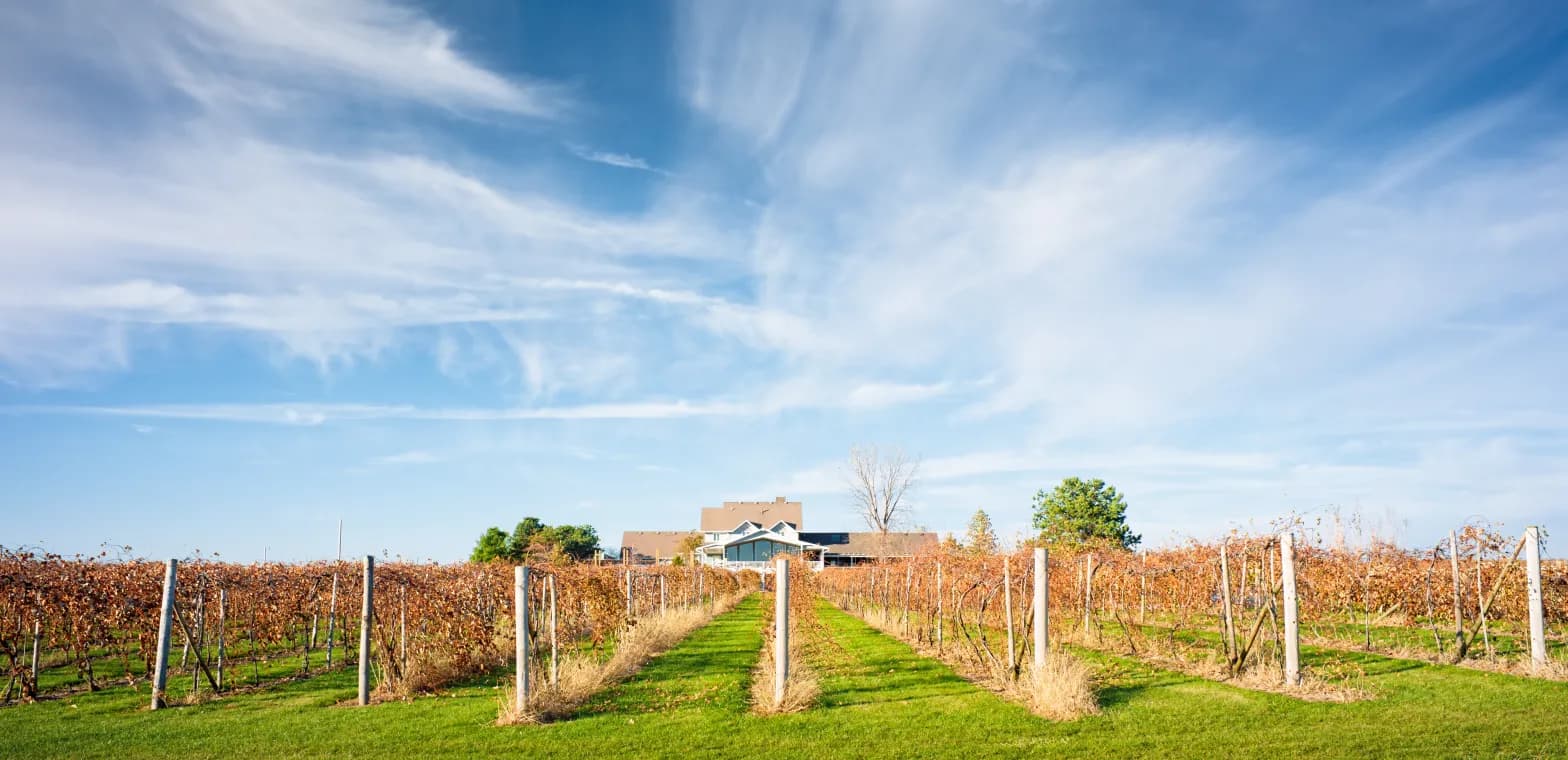
While Illinois is more renowned for its spirits than wine, the state has a rich tradition of craft distilling. Illinois distillers often draw on a blend of traditional techniques and modern innovation to create their products. This includes experimenting with different grains, botanicals, and aging processes to develop unique flavors. The state's distillers are known for their commitment to quality and creativity, often producing small-batch, artisanal spirits that reflect the character of the region.

Notable Producers in Illinois

Illinois is home to several notable spirits producers, including Few Spirits and Koval. Few Spirits is known for its bold bourbons and innovative gin, while Koval is celebrated for its organic, single-barrel whiskies. These producers exemplify the creativity and quality that define Illinois's spirits scene. Other producers like Apologue and Rock'N Vodka also contribute to the state's reputation for crafting unique and flavorful spirits.

Food Pairings

Illinois spirits pair well with a variety of foods, enhancing the dining experience. Bourbon from producers like Few Spirits complements grilled meats and rich, savory dishes, while Koval's gins are perfect with lighter fare such as seafood and salads. For a unique pairing, try Illinois whiskey with artisanal cheeses or charcuterie, which highlight the complex flavors of the spirits.

History of Illinois

Illinois has a rich history in spirits production, dating back to the early days of American distilling. The state's central location and access to quality grains made it an ideal spot for distilling. Over the years, Illinois has evolved into a hub for craft distilling, with producers focusing on quality and innovation. The modern era has seen a resurgence in small-batch, artisanal spirits, with distillers embracing both traditional methods and new techniques to create unique products. This blend of history and innovation makes Illinois a fascinating region for spirits enthusiasts.

On this page

  • About Illinois
  • Climate & Terroir of Illinois
  • Winemaking Traditions
  • Notable Producers in Illinois
  • Food Pairings
  • History of Illinois

Frequently Asked Questions

What are the best Illinois wineries to visit?
Illinois is home to several notable wineries, including Lynfred Winery, which is the oldest and largest continuously-operating family winery in the state. Other popular options include Galena Cellars Vineyard & Winery and Blue Sky Vineyard, both offering a range of award-winning wines and picturesque settings.
What types of wine is Illinois known for producing?
Illinois is particularly known for its production of fruit wines, especially those made from apples, cherries, and berries. The state also produces a variety of grape wines, with Norton and Chambourcin being popular red varietals, and Seyval Blanc and Vignoles being notable whites.
Can I buy Illinois craft spirits online?
Yes, many Illinois craft distilleries offer their products online, including popular brands like KOVAL Distillery and FEW Spirits. These distilleries are known for their unique takes on whiskey, gin, and other spirits, often incorporating locally-sourced ingredients.
What is the legal drinking age in Illinois?
The legal drinking age in Illinois is 21 years old. This applies to purchasing and consuming alcoholic beverages, and valid identification is required for age verification.
Are there any unique Illinois alcohol laws I should know about?
Illinois law allows for the direct shipment of wine to consumers, but the retailer must be licensed to ship to the state. Additionally, Illinois has a three-tier system for alcohol distribution, which separates producers, distributors, and retailers to regulate the sale and distribution of alcoholic beverages.