-
Capital Spirits Logo

FOR THE THIRSTY

Raise a glass with us #Cheers

FacebookInstagramTikTokYouTube
concierge@capitalspirits.com
AboutLocationsEventsTrack OrderPrivacy PolicyTerms & ConditionsShipping PolicyReturn Policy
VisaMastercardAmerican ExpressApple PayGoogle Pay
Powered by Stripe
© 2026 Capital Spirits. All rights reserved.
REGION

Hawke's Bay Wine

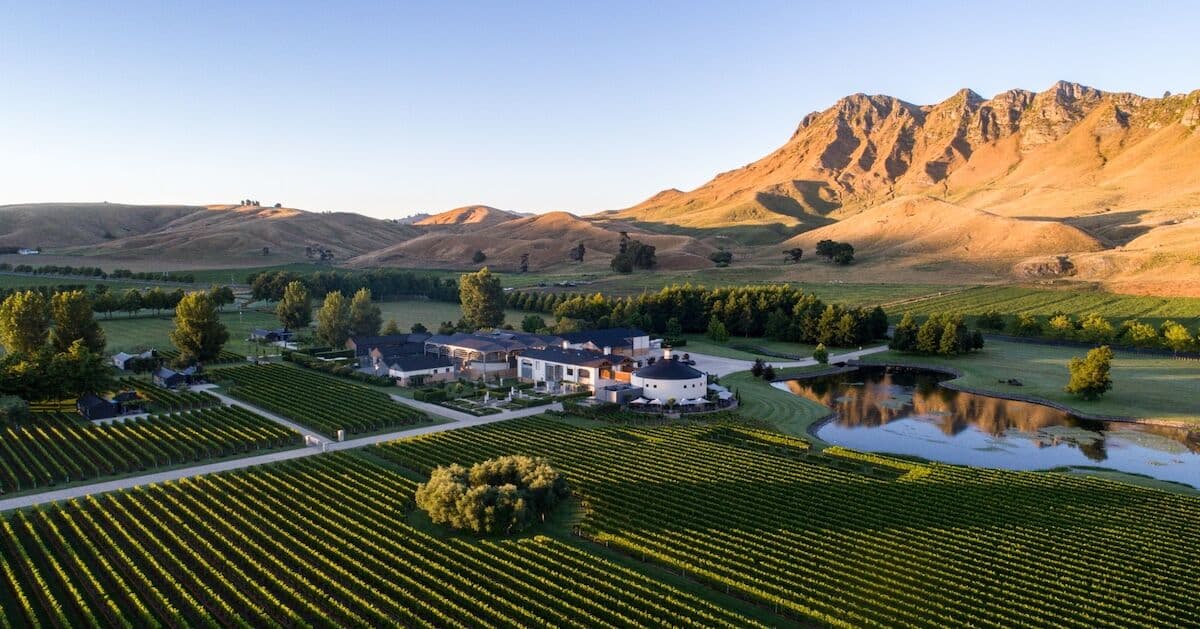
Hawke's Bay's gravelly soils and maritime climate create ideal conditions for producing rich, full-bodied red wines and vibrant whites. Known for its exceptional Bordeaux blends and Chardonnay, this region is a cornerstone of New Zealand's wine industry.

Collections/Countries/New Zealand/Hawke's Bay

About Hawke's Bay

Hawke's Bay, located on the eastern coast of New Zealand's North Island, is a distinguished wine region celebrated for its diverse range of high-quality wines. The region's unique terroir, characterized by gravelly soils and a temperate maritime climate, provides an excellent environment for viticulture. This combination allows for the cultivation of a wide variety of grapes, with Bordeaux blends and Chardonnay being particularly noteworthy. The wines from Hawke's Bay are known for their depth and complexity. Red wines, especially those made from Cabernet Sauvignon and Merlot, exhibit rich flavors of dark fruits, complemented by earthy undertones and a robust structure. The white wines, particularly Chardonnay, are celebrated for their vibrant acidity and notes of stone fruits and citrus. Hawke's Bay's reputation is bolstered by renowned producers such as Te Mata, Craggy Range, and Villa Maria, who consistently deliver wines of exceptional quality. These producers, along with others like Kumeu River and Esk Valley, contribute to the region's standing as a leader in New Zealand's wine industry. For wine enthusiasts seeking distinctive and flavorful wines, Hawke's Bay offers a compelling selection that reflects the unique character of its terroir. Whether you're drawn to the bold reds or the crisp whites, the wines of Hawke's Bay promise a memorable tasting experience.

Climate & Terroir of Hawke's Bay

Hawke's Bay boasts a temperate maritime climate, with long, warm summers and mild winters, ideal for grape growing. The region's diverse soils, particularly the gravelly riverbeds, contribute to the rich mineral content and drainage, crucial for producing high-quality wines. The varied topography, from coastal plains to rolling hills, allows for a wide range of grape varieties to thrive, each expressing the unique characteristics of its microclimate.

Winemaking Traditions

Winemaking in Hawke's Bay is deeply rooted in tradition, with a focus on sustainable practices and innovation. The region is renowned for its Bordeaux-style blends, a testament to its pioneering spirit and adaptability. Winemakers here employ both traditional and modern techniques, such as hand-harvesting and precise temperature control during fermentation, to enhance the natural flavors and complexity of the wines. This dedication to craftsmanship ensures that each bottle reflects the region's unique terroir and winemaking heritage.

Notable Producers in Hawke's Bay

Hawke's Bay is home to several esteemed wine producers, including Te Mata, known for its iconic Coleraine blend, and Craggy Range, which crafts wines that highlight the region's diverse terroir. Villa Maria, a leader in sustainable winemaking, offers a range of expressive wines. Other notable producers like Kumeu River and Esk Valley contribute to the region's reputation for quality and innovation, making Hawke's Bay a key player in New Zealand's wine industry.

Food Pairings

Hawke's Bay wines pair beautifully with a variety of dishes. The region's robust red wines, such as those from Cabernet Sauvignon and Merlot, complement hearty meats like lamb and beef. Meanwhile, the crisp, vibrant Chardonnays are a perfect match for seafood dishes, particularly those featuring shellfish or creamy sauces. For a delightful pairing, try a Hawke's Bay Sauvignon Blanc with fresh salads or goat cheese.

History of Hawke's Bay

The history of winemaking in Hawke's Bay dates back to the mid-19th century, making it one of New Zealand's oldest wine regions. Early settlers recognized the region's potential for viticulture, planting the first vines in the 1850s. Over the decades, Hawke's Bay has evolved into a premier wine-producing area, known for its innovative winemaking techniques and commitment to quality. The region's development was significantly influenced by the introduction of Bordeaux grape varieties in the 20th century, which have since become a hallmark of Hawke's Bay wines.

On this page

  • About Hawke's Bay
  • Climate & Terroir of Hawke's Bay
  • Winemaking Traditions
  • Notable Producers in Hawke's Bay
  • Food Pairings
  • History of Hawke's Bay

Frequently Asked Questions

What types of wine is Hawke's Bay famous for?
Hawke's Bay is renowned for its Bordeaux-style red blends, particularly Merlot and Cabernet Sauvignon. The region is also celebrated for its Chardonnay, which is known for its rich and complex flavors.
Where can I buy Hawke's Bay Syrah online?
Hawke's Bay Syrah can be purchased from various premium online retailers that specialize in New Zealand wines. Look for retailers that offer a wide selection of wines from the region and provide detailed tasting notes and reviews.
What makes Hawke's Bay wines unique?
Hawke's Bay wines are unique due to the region's diverse microclimates and soil types, which contribute to the complexity and depth of the wines. The warm climate and long growing season allow for the production of full-bodied reds and vibrant whites.
Are there any award-winning wineries in Hawke's Bay?
Yes, Hawke's Bay is home to several award-winning wineries, such as Craggy Range, Te Mata Estate, and Mission Estate. These wineries have received numerous accolades for their exceptional wines, particularly their red blends and Chardonnays.
How does the climate of Hawke's Bay affect its wine production?
The climate of Hawke's Bay, characterized by warm summers and mild winters, is ideal for growing a variety of grape types. This climate, combined with the region's varied terrain, allows for the production of both robust reds and crisp, aromatic whites.