PRODUCT SUBCATEGORY

Grappa/Marc Spirits

Grappa/Marc is a distinctive spirit distilled from pomace, the leftover skins, seeds, and stems of grapes after pressing. This Italian specialty offers a robust and aromatic profile, making it a unique choice for spirit enthusiasts.

About Grappa/Marc

Grappa/Marc is a traditional Italian spirit crafted from pomace, the solid remains of grapes after they have been pressed for juice. Unlike other brandies, Grappa is distilled from these grape remnants, resulting in a spirit that captures the essence of the vineyard in a concentrated form. Known for its bold and aromatic character, Grappa typically features notes of dried fruit, nuts, and floral undertones, with a warming finish. Originating from Italy, Grappa is produced across various regions, each imparting its own unique twist on the spirit. The Veneto, Piedmont, and Tuscany regions are particularly renowned for their high-quality Grappa, often showcasing regional grape varieties in their production. The production of Grappa involves distilling the pomace in copper pot stills, a process that preserves the intense flavors and aromas of the original grape material. This method results in a spirit that can range from clear and fiery to smooth and aged, depending on the distillation and aging process. Grappa can be enjoyed neat, often served as a digestif, or used creatively in cocktails to add depth and complexity. When considering food pairings, Grappa's robust profile complements rich dishes such as aged cheeses, dark chocolate, and cured meats. Price-wise, Grappa can vary significantly, with entry-level bottles offering a straightforward experience, while premium aged versions provide a more complex and refined tasting journey. For those seeking a spirit that embodies the heart of Italian winemaking, Grappa/Marc is an exceptional choice.

Tasting Profile

Grappa/Marc offers a bold and aromatic flavor profile, characterized by notes of dried fruits, nuts, and floral undertones. The texture is typically smooth yet robust, with a warming finish that lingers on the palate. Depending on the production method, Grappa can range from fiery and clear to smooth and aged, offering a diverse tasting experience.

Serving Guide

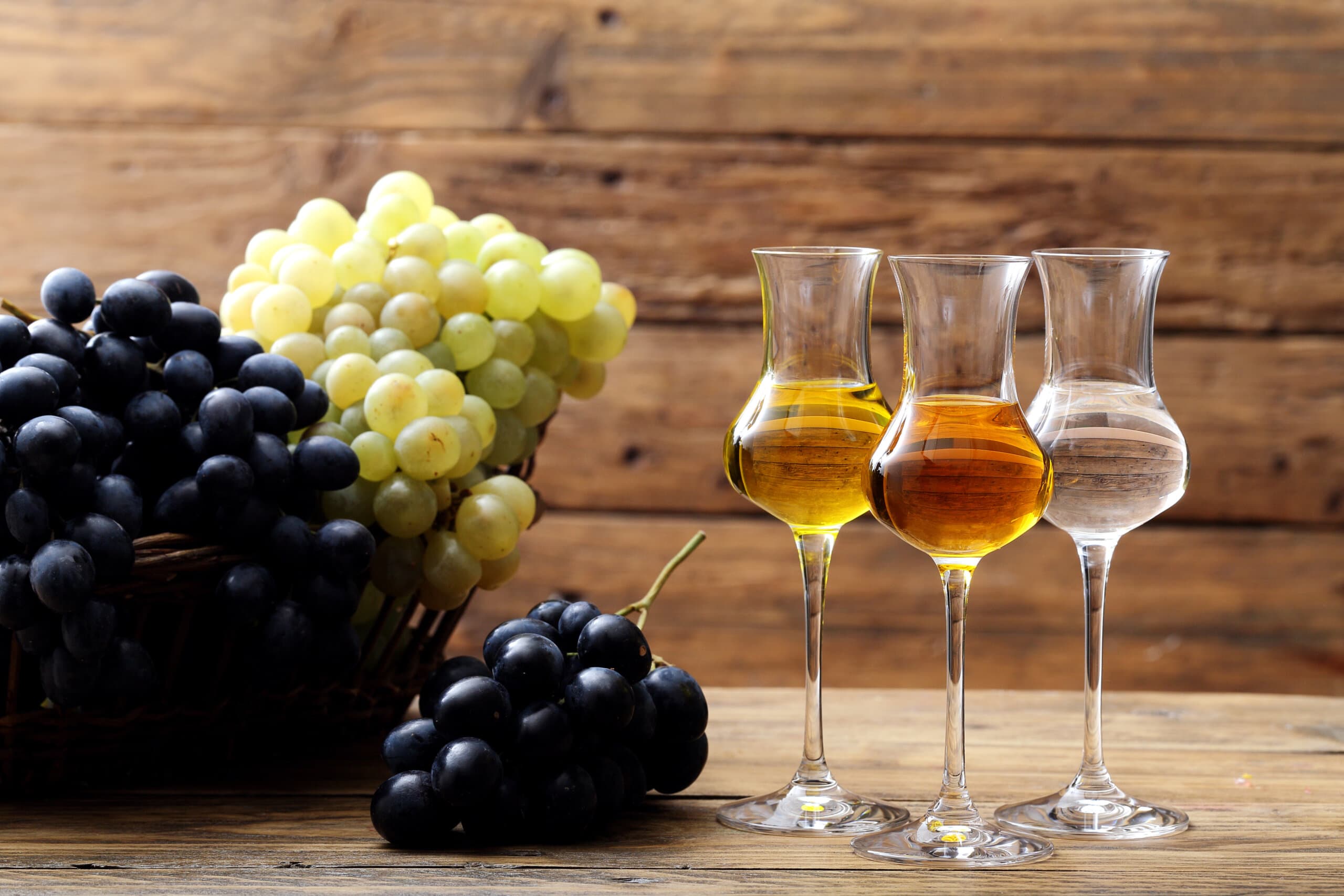
Grappa/Marc is best served neat at room temperature in a small tulip-shaped glass to concentrate its aromas. It is traditionally enjoyed as a digestif, allowing the complex flavors to unfold. No decanting is necessary, but allowing the spirit to breathe for a moment can enhance its aromatic profile.

Region Information

Grappa/Marc is predominantly produced in Italy, with key regions including Veneto, Piedmont, and Tuscany. Each region imparts its own unique characteristics to the spirit, often influenced by the local grape varieties used in production. While Grappa is legally protected as an Italian product, similar pomace brandies are made in other countries, known as Marc in France.

Frequently Asked Questions

What is Grappa/Marc made from?
Grappa/Marc is made from pomace, which includes the skins, seeds, and stems of grapes left over after pressing for juice. This sets it apart from other spirits that are distilled from the fermented juice itself.
How should Grappa/Marc be served?
Grappa/Marc is best served neat at room temperature in a small tulip-shaped glass. This allows the spirit's complex aromas to be fully appreciated. It is traditionally enjoyed as a digestif after a meal.
What does Grappa/Marc taste like?
Grappa/Marc typically has a bold and aromatic taste, featuring notes of dried fruits, nuts, and floral undertones. The finish is warm and lingering, with a texture that can range from fiery to smooth, depending on the aging process.
Where is the best Grappa/Marc produced?
The best Grappa is produced in Italy, particularly in regions like Veneto, Piedmont, and Tuscany. Each region offers its own unique take on the spirit, often influenced by local grape varieties.
Is Grappa/Marc expensive?
Grappa/Marc can vary in price. Entry-level bottles are generally affordable, while premium aged versions can be more expensive, reflecting their complexity and the craftsmanship involved in their production.