-
Capital Spirits Logo

FOR THE THIRSTY

Raise a glass with us #Cheers

FacebookInstagramTikTokYouTube
concierge@capitalspirits.com
AboutLocationsEventsTrack OrderPrivacy PolicyTerms & ConditionsShipping PolicyReturn Policy
VisaMastercardAmerican ExpressApple PayGoogle Pay
Powered by Stripe
© 2026 Capital Spirits. All rights reserved.
APPELLATION

Porto Wine Selection

Porto's fortified wines are crafted under strict DOC regulations, ensuring a unique blend of power and elegance. Known for its rich flavors and complexity, Porto offers a diverse range of styles from renowned producers like Taylor Fladgate and Graham's.

Collections/Countries/Portugal/Douro/Porto

About Porto

Porto, the esteemed wine appellation from the Douro Valley in Portugal, is synonymous with fortified wines that boast a rich tapestry of flavors and history. The appellation's strict DOC regulations ensure that each bottle of Porto wine is a testament to quality and tradition. Dominant grape varieties such as Touriga Nacional, Tinta Roriz, and Touriga Franca contribute to the complex flavor profiles that Porto wines are celebrated for. Expect notes of ripe dark fruits, chocolate, and spice, with a luscious texture and a long, satisfying finish. The producer landscape in Porto is both historic and dynamic, featuring esteemed names like C.N. Kopke, Taylor Fladgate, Sandeman, and Graham's Port. These producers are known for their commitment to quality, crafting wines that range from approachable entry-level bottles to rare, premium vintages. Whether you're seeking the best Porto wines for a special occasion or looking to explore the diverse styles within the category, our selection offers something for every palate and budget. Porto wines are versatile, pairing beautifully with a variety of foods. Their rich, sweet character complements desserts like chocolate torte or blue cheeses, while also standing up to savory dishes such as roasted meats. When considering a purchase, buyers should note that Porto wines offer excellent value, with prices ranging from affordable options for everyday enjoyment to luxurious bottles for collectors. Choosing Porto means embracing a wine tradition steeped in history and excellence. Whether you're a seasoned enthusiast or new to the world of fortified wines, Porto offers a compelling journey into one of the most storied wine regions in the world. Explore our Porto wine guide to find the perfect bottle for your next gathering or personal collection.

Regulations & Standards

Porto wines are governed by stringent DOC regulations, ensuring the highest quality standards. All Porto must be produced in the Douro Valley and fortified with aguardente to halt fermentation, preserving natural sugars. The wines are classified into several styles, including Ruby, Tawny, and Vintage, each with specific aging requirements. Ruby Ports are typically aged for a shorter period in large oak vats, preserving their fruity character, while Tawny Ports undergo extended aging in smaller barrels, developing complex nutty and caramelized flavors. Vintage Ports, made only in exceptional years, are aged in the bottle and known for their longevity and depth.

Grape Varieties

Porto wines are primarily crafted from a blend of indigenous Portuguese grape varieties. The most prominent among these are Touriga Nacional, known for its deep color and intense aroma, and Tinta Roriz (also known as Tempranillo), which adds structure and tannins. Touriga Franca contributes floral notes and elegance, while Tinta Barroca and Tinto Cão offer additional complexity and depth. These varieties thrive in the Douro Valley's challenging terrain, where they develop concentrated flavors and robust character, essential for the production of high-quality fortified wines.

Soil Composition

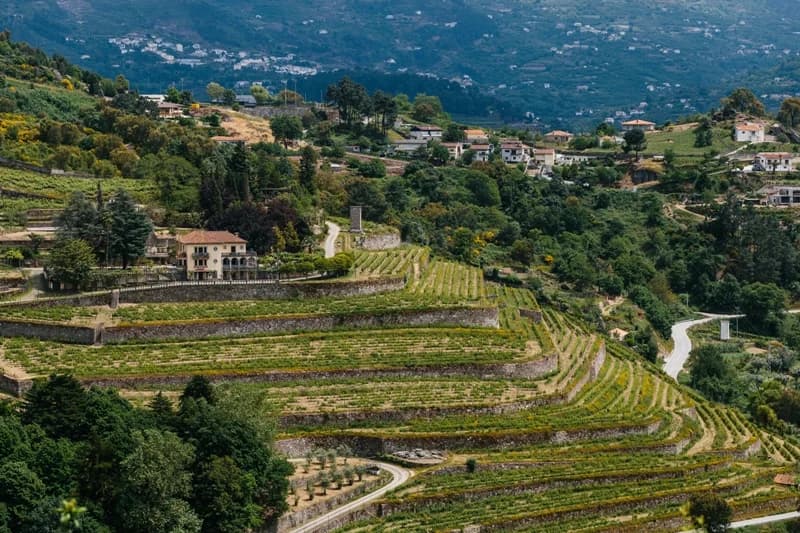
The Douro Valley, home to Porto wines, is characterized by its schistous soils, which are crucial for viticulture in this region. These soils retain heat and provide excellent drainage, forcing the vines to dig deep into the earth for nutrients. This struggle results in grapes with concentrated flavors and balanced acidity, essential for the production of complex and age-worthy Porto wines. The unique soil composition, combined with the steep terraced vineyards, contributes to the distinct terroir that defines Porto.

Climate Characteristics

Porto's climate is marked by hot, dry summers and cold, wet winters, typical of the Douro Valley. The region benefits from a continental climate, with significant temperature variations between day and night. This diurnal range allows the grapes to ripen fully while retaining their natural acidity, a key factor in the balance and structure of Porto wines. The climate, combined with the region's unique topography, ensures that the grapes develop the rich, concentrated flavors that are the hallmark of Porto.

Production Standards

The production of Porto involves traditional winemaking techniques, including foot treading in lagares to extract maximum color and flavor. The wines are then fortified with a neutral grape spirit, increasing the alcohol content and halting fermentation. This process preserves the wine's natural sweetness and enhances its aging potential. Aging takes place in a variety of vessels, from large oak vats to small barrels, depending on the desired style. These meticulous production standards ensure that each bottle of Porto reflects the region's rich heritage and commitment to quality.

On this page

  • About Porto
  • Regulations & Standards
  • Grape Varieties
  • Soil Composition
  • Climate Characteristics
  • Production Standards

Frequently Asked Questions

What types of Port wine are produced in Porto?
Porto, or Port wine, is primarily produced in the Douro Valley and includes several styles such as Ruby, Tawny, White, and Rosé. Each type varies in flavor profile, aging process, and color, with Ruby being more fruity and Tawny offering nutty, caramelized notes.
How is Port wine different from regular wine?
Port wine is a fortified wine, meaning it has a higher alcohol content due to the addition of a distilled grape spirit, typically brandy, during fermentation. This process not only increases the alcohol content but also preserves the wine's natural sweetness.
What foods pair well with Port wine?
Port wine pairs excellently with a variety of foods, including strong cheeses like Stilton, rich desserts such as chocolate cake, and savory dishes like roasted nuts or charcuterie. The sweetness and complexity of Port complement both sweet and savory flavors.
How should I store and serve Port wine?
Port wine should be stored in a cool, dark place and served slightly below room temperature, around 60-65°F (15-18°C). Once opened, Ruby and Tawny Ports can last for several weeks, while Vintage Ports should be consumed within a few days.
What is the history behind Porto's Port wine production?
Port wine production in Porto dates back to the 17th century when British merchants began fortifying wine to preserve it during long sea voyages. The unique climate and terroir of the Douro Valley contribute to the distinctive characteristics of Port wine.