-
Capital Spirits Logo

FOR THE THIRSTY

Raise a glass with us #Cheers

FacebookInstagramTikTokYouTube
concierge@capitalspirits.com
AboutLocationsEventsTrack OrderPrivacy PolicyTerms & ConditionsShipping PolicyReturn Policy
VisaMastercardAmerican ExpressApple PayGoogle Pay
Powered by Stripe
© 2026 Capital Spirits. All rights reserved.
REGION

Dao Wine

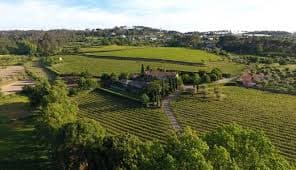
Dao's granite-rich soils and high-altitude vineyards craft wines of remarkable elegance and depth. Known for its structured reds and crisp whites, Dao offers a unique taste of Portugal's diverse terroir.

Collections/Countries/Portugal/Dao

About Dao

Nestled in the heart of Portugal, Dao is a wine region celebrated for its granite-rich soils and elevated vineyards that produce wines of remarkable elegance and complexity. The region's cool climate, influenced by its mountainous terrain, allows for a slow ripening process, resulting in wines with balanced acidity and refined structure. Dao is predominantly known for its red wines, crafted from indigenous grape varieties such as Touriga Nacional, Tinta Roriz, and Jaen, which offer flavors ranging from dark berries to floral notes. The whites, often made from Encruzado, are crisp and aromatic, with hints of citrus and minerality. Producers like M.O.B. and Adega De Penalva are at the forefront of Dao's wine scene, showcasing the region's potential through their meticulous winemaking practices. These wines are not only a testament to the region's rich heritage but also a reflection of modern innovation. For wine enthusiasts seeking a unique and authentic Portuguese experience, Dao offers a compelling journey through its diverse and expressive wines.

Climate & Terroir of Dao

Dao's climate is characterized by its high-altitude vineyards and granite-rich soils, which play a crucial role in shaping the region's wine style. The elevation provides a cooler climate, allowing grapes to ripen slowly and develop complex flavors while maintaining acidity. The granite soils contribute to the minerality and structure of the wines, particularly in the reds, which are known for their elegance and depth. This unique combination of climate and terroir results in wines that are both expressive and balanced, offering a distinct taste of Portugal's diverse landscape.

Winemaking Traditions

Winemaking in Dao has a long-standing tradition of utilizing indigenous grape varieties, which are well-suited to the region's unique terroir. The focus is on crafting wines that reflect the natural characteristics of the land, with minimal intervention in the vineyard and winery. Traditional methods such as foot treading in lagares are still practiced by some producers, preserving the authenticity and heritage of Dao's winemaking. The emphasis on quality over quantity ensures that each bottle captures the essence of the region, offering a genuine taste of Dao's rich history and culture.

Notable Producers in Dao

Dao boasts a diverse range of producers who are dedicated to showcasing the region's unique terroir through their wines. Notable names include M.O.B., known for their elegant and structured reds, and Adega De Penalva, which offers a range of expressive wines that highlight the region's potential. Antonio Madeira and Fonte do Ouro - Boas Quintas also contribute to Dao's reputation with their commitment to quality and innovation. These producers are instrumental in bringing Dao's wines to a global audience, offering a taste of Portugal's hidden gem.

Food Pairings

Dao wines are versatile and pair beautifully with a variety of dishes. The region's red wines, with their structured tannins and rich flavors, complement hearty meat dishes such as roast lamb or beef stew. The crisp and aromatic whites are perfect with seafood, particularly grilled fish or shellfish, enhancing the freshness and minerality of the wines. For a traditional Portuguese experience, pair Dao wines with local cheeses or charcuterie, which highlight the wines' complexity and balance.

History of Dao

The history of winemaking in Dao dates back centuries, with the region being one of Portugal's oldest wine-producing areas. Its designation as a demarcated wine region in 1908 marked a significant milestone, recognizing the unique qualities of its wines. Over the years, Dao has evolved, embracing modern techniques while preserving traditional practices. The region's commitment to quality and authenticity has earned it a reputation for producing some of Portugal's most distinctive wines. Today, Dao continues to thrive, drawing on its rich heritage to craft wines that are celebrated both locally and internationally.

On this page

  • About Dao
  • Climate & Terroir of Dao
  • Winemaking Traditions
  • Notable Producers in Dao
  • Food Pairings
  • History of Dao

Frequently Asked Questions

What are the main grape varieties used in Dao wines?
Dao wines primarily use indigenous grape varieties such as Touriga Nacional, Tinta Roriz (Tempranillo), and Jaen for reds, and Encruzado for whites. These grapes contribute to the region's reputation for producing elegant and complex wines.
What makes Dao wines unique compared to other Portuguese wines?
Dao wines are known for their balanced acidity, moderate alcohol levels, and aging potential, thanks to the region's granite soils and mountainous terrain. The climate, with its warm days and cool nights, allows for slow ripening, resulting in wines with intense flavors and aromas.
How should I pair Dao red wines with food?
Dao red wines, with their robust flavors and firm tannins, pair well with hearty dishes such as roasted meats, stews, and aged cheeses. Their acidity also complements dishes with rich sauces or Mediterranean spices.
Are Dao wines suitable for aging?
Yes, many Dao wines, especially those made from Touriga Nacional and other traditional varieties, have excellent aging potential. The region's wines often develop greater complexity and depth over time, making them ideal for cellaring.
What is the best way to serve Dao white wines?
Dao white wines, particularly those made from the Encruzado grape, are best served chilled at around 10-12°C (50-54°F). This temperature allows their floral and citrus notes to shine, making them a refreshing choice for seafood and light salads.