-
Capital Spirits Logo

FOR THE THIRSTY

Raise a glass with us #Cheers

FacebookInstagramTikTokYouTube
concierge@capitalspirits.com
AboutLocationsEventsTrack OrderPrivacy PolicyTerms & ConditionsShipping PolicyReturn Policy
VisaMastercardAmerican ExpressApple PayGoogle Pay
Powered by Stripe
© 2026 Capital Spirits. All rights reserved.
REGION

Central Valley Chile Wine

Central Valley's fertile alluvial soils and Mediterranean climate create ideal conditions for producing expressive wines. From the robust reds of Concha y Toro to the nuanced whites of Santa Rita, explore a region that balances tradition with innovation.

Collections/Countries/Chile/Central Valley

About Central Valley

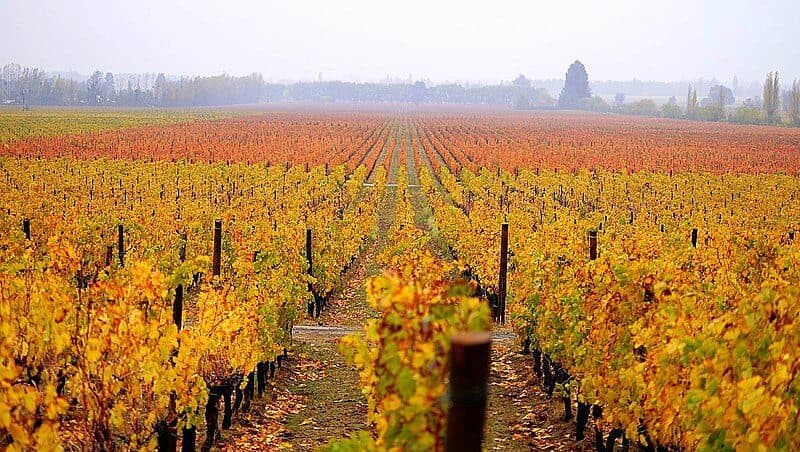
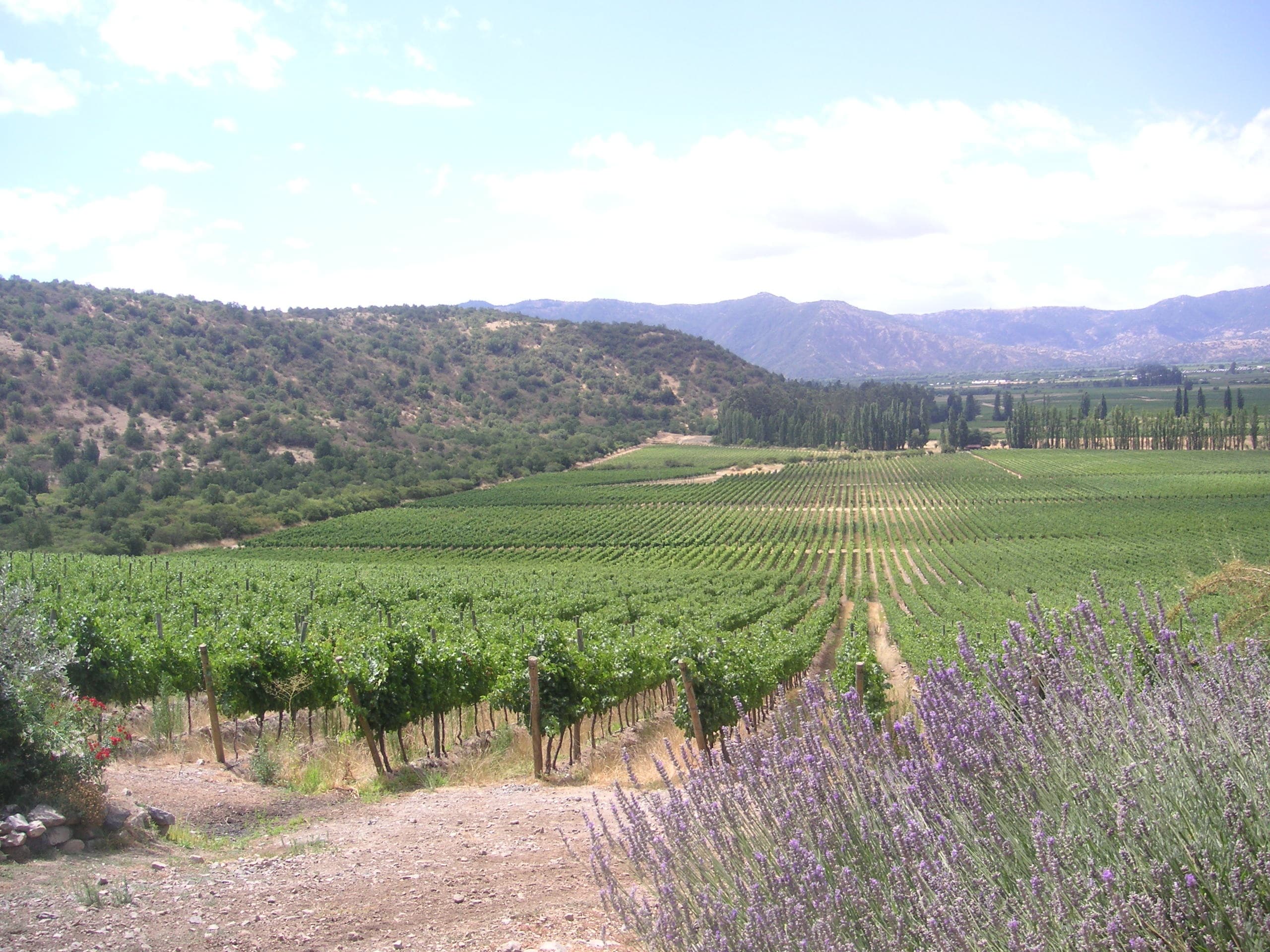
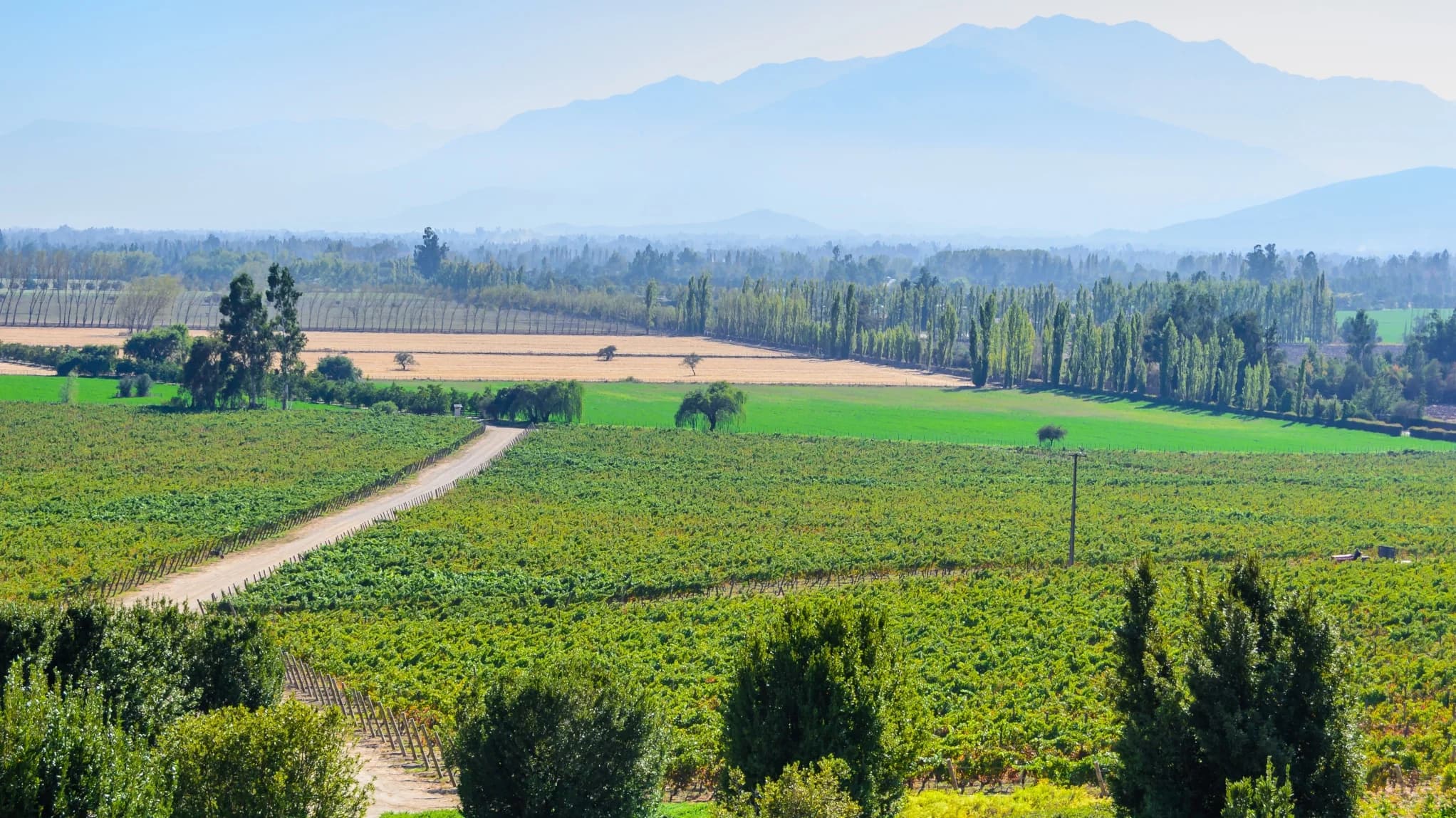
Central Valley, Chile, is a dynamic wine region celebrated for its diverse range of wines that reflect the area's unique terroir. The region's fertile alluvial soils and Mediterranean climate provide an ideal setting for cultivating a variety of grape types, most notably Cabernet Sauvignon, Merlot, and Carmenère. These conditions allow producers like Concha y Toro, Montes, and Los Vascos to craft wines that are both expressive and balanced, offering rich flavors and complexity. The region is home to a vibrant community of winemakers who blend traditional techniques with modern innovation. Producers such as Viña San Pedro and Cousiño-Macul are renowned for their commitment to quality and sustainability, ensuring that each bottle captures the essence of Central Valley's unique environment. Wine enthusiasts are drawn to Central Valley for its robust reds and crisp whites, each offering a distinct taste of Chile's winemaking prowess. Whether you're a seasoned connoisseur or a curious newcomer, Central Valley wines promise a journey of discovery and delight.
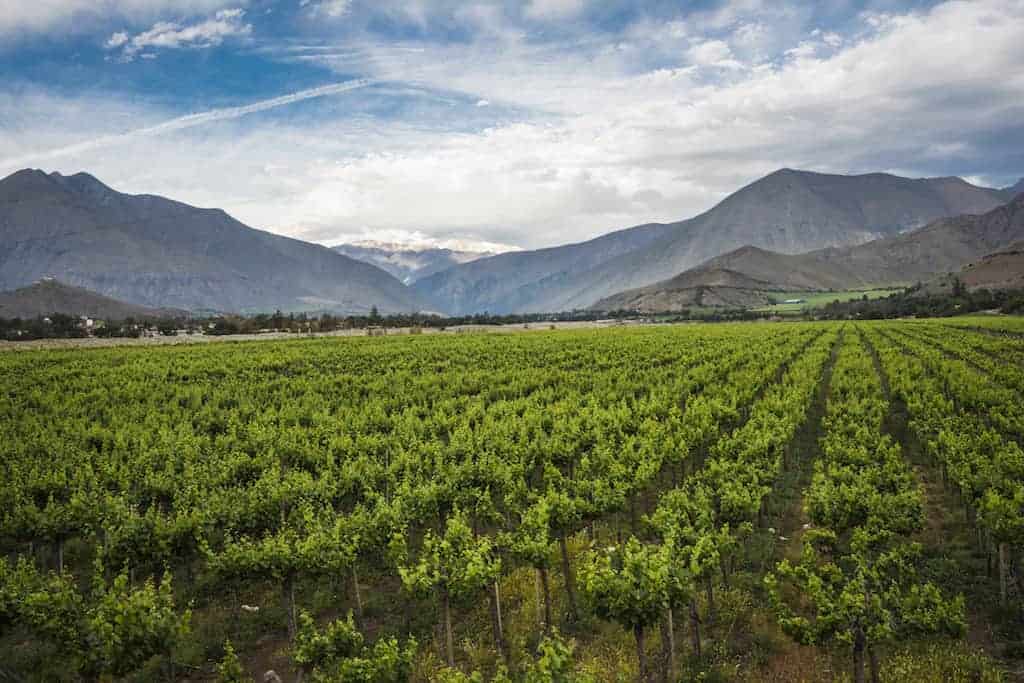
Climate & Terroir of Central Valley

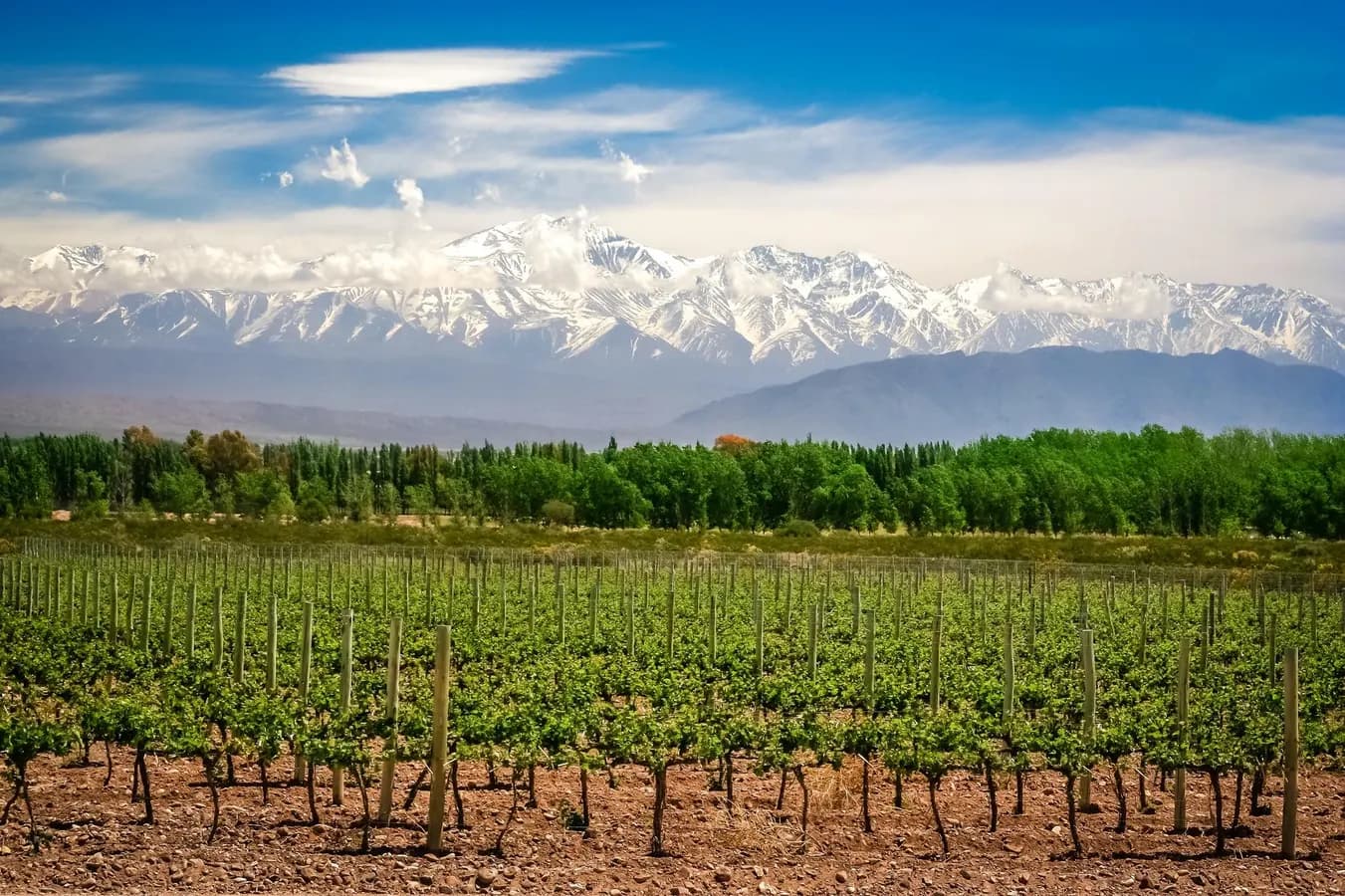
Central Valley's climate is characterized by warm, dry summers and mild, wet winters, typical of a Mediterranean climate. This, combined with the region's alluvial soils, rich in minerals, provides an excellent foundation for viticulture. The Andes Mountains to the east and the Pacific Ocean to the west create a natural barrier that protects the vineyards, allowing for a long growing season and the development of complex flavors in the grapes. These conditions are ideal for producing wines with a balance of acidity and fruitiness.

Winemaking Traditions

Winemaking in Central Valley is deeply rooted in tradition, yet it embraces modern techniques to enhance quality and sustainability. The region's winemakers often employ a mix of old-world methods, such as hand-harvesting and natural fermentation, alongside state-of-the-art technology to ensure precision and consistency. This blend of tradition and innovation allows producers like Concha y Toro and Santa Rita to craft wines that are both reflective of their heritage and appealing to contemporary palates.

Notable Producers in Central Valley

Central Valley is home to some of Chile's most esteemed wine producers. Concha y Toro, known for its iconic Casillero del Diablo label, is a standout, offering a range of robust reds and elegant whites. Montes is another key player, celebrated for its commitment to sustainable practices and high-quality wines. Other notable producers include Los Vascos, Viña San Pedro, and Cousiño-Macul, each contributing to the region's reputation for excellence in winemaking.

Food Pairings

Central Valley wines are versatile and pair well with a variety of dishes. The bold reds, such as those from Concha y Toro, complement grilled meats and hearty stews, while the crisp whites from producers like Santa Rita are perfect with seafood and light salads. For a true Chilean experience, pair a glass of Carmenère with spicy empanadas or a traditional asado.

History of Central Valley

The history of winemaking in Central Valley dates back to the 16th century when Spanish settlers first introduced viticulture to the region. Over the centuries, the area has evolved into a powerhouse of Chilean wine production, thanks to its favorable climate and fertile soils. The late 20th century saw a renaissance in quality and innovation, with producers like Concha y Toro and Montes leading the charge. Today, Central Valley is recognized globally for its contribution to the wine industry, offering wines that are both reflective of its rich history and forward-looking in their approach.

On this page

  • About Central Valley
  • Climate & Terroir of Central Valley
  • Winemaking Traditions
  • Notable Producers in Central Valley
  • Food Pairings
  • History of Central Valley

Frequently Asked Questions

What types of wine is the Central Valley in Chile known for?
The Central Valley in Chile is renowned for its diverse wine production, particularly its Cabernet Sauvignon, Merlot, and Carmenère. The region's Mediterranean climate and fertile soils contribute to the rich flavors and high quality of these wines.
Why is Central Valley considered a prime wine-producing region in Chile?
Central Valley is considered a prime wine-producing region due to its ideal climate, which features warm, dry summers and wet winters. This climate, combined with the valley's varied terroirs, allows for the cultivation of a wide range of grape varieties, producing wines with distinct characteristics.
Are there any notable wineries in Chile's Central Valley?
Yes, Central Valley is home to several notable wineries, including Concha y Toro, Santa Rita, and Undurraga. These wineries are known for their high-quality wines and have gained international recognition for their exceptional production standards.
What is the best time of year to visit Central Valley for wine tasting?
The best time to visit Central Valley for wine tasting is during the harvest season, which typically runs from March to May. During this period, visitors can experience the vibrant atmosphere of the vineyards and participate in various wine-related events and activities.
How does the terroir of Central Valley affect the taste of its wines?
The terroir of Central Valley, with its diverse soils and microclimates, significantly influences the taste of its wines. The region's varied conditions allow for the production of wines with complex flavors and aromas, ranging from fruity and floral to earthy and spicy notes.

Appellations of Central Valley

Mendoza wines and spirits

Mendoza

323

Mendoza's high-altitude vineyards produce wines with remarkable concentration and complexity. Known for its Malbec, this region offers a diverse range of varietals from esteemed producers like Catena Zapata and Trapiche.

Valle Central wines and spirits

Valle Central

114

Valle Central is defined by its diverse terroir and climate, producing a wide range of wines from bold Cabernet Sauvignon to fresh Sauvignon Blanc. This region's varied microclimates and soils create unique expressions in every bottle.

Valle del Colchagua wines and spirits

Valle del Colchagua

67

Valle del Colchagua is defined by its diverse microclimates and fertile soils, producing exceptional wines from grapes like Cabernet Sauvignon and Carmenère. Known for its robust reds, this Chilean appellation offers wines that are both elegant and complex.

Valle del Maule wines and spirits

Valle del Maule

50

Valle del Maule is defined by its diverse microclimates and rich viticultural history, producing wines with remarkable depth and character. Known for its robust Cabernet Sauvignon and expressive Carmenère, this Chilean appellation offers a unique blend of tradition and innovation.

Valle del Maipo wines and spirits

Valle del Maipo

47

Valle del Maipo is defined by its exceptional Cabernet Sauvignon, thriving in the region's alluvial soils and Mediterranean climate. This appellation is a cornerstone of Chilean wine excellence.