APPELLATION

Central Coast Wine

Central Coast spans over 90,000 acres, offering a diverse range of wines from Pinot Noir to Chardonnay. Its cool coastal climate and varied soils create unique expressions.

Collections/Countries/USA/Central Coast

About Central Coast

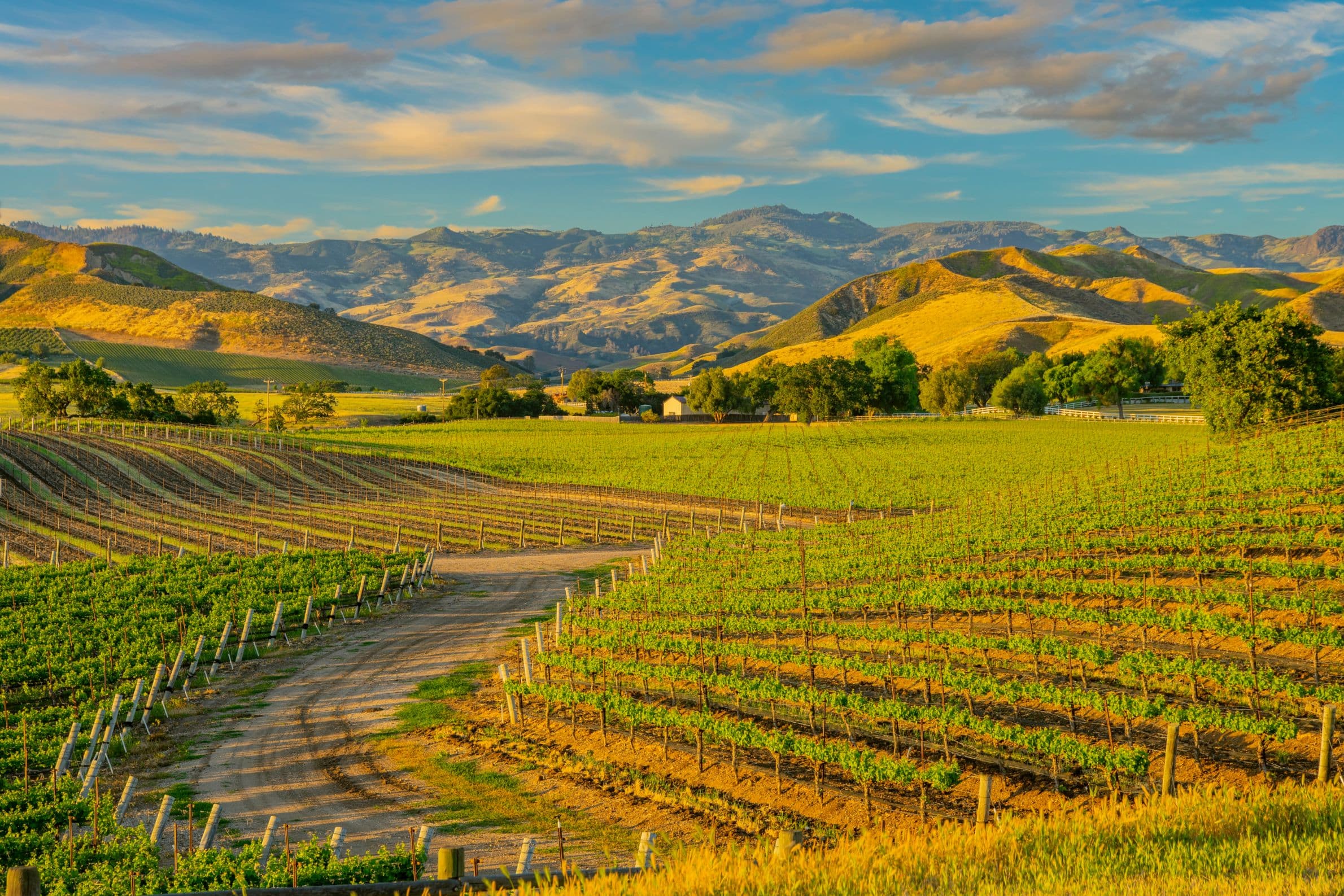
Central Coast is a vast and diverse wine appellation in California, stretching from San Francisco to Santa Barbara. This region is defined by its cool coastal climate, which is ideal for growing a variety of grape types, particularly Pinot Noir and Chardonnay. The influence of the Pacific Ocean results in wines with vibrant acidity and complex flavors. Producers like Justin and Bonny Doon Vineyard are renowned for their high-quality offerings, showcasing the region's potential. The Central Coast is home to a wide range of wine styles, from the elegant and nuanced Pinot Noirs of Edna Valley Vineyard to the rich and full-bodied Cabernets from Hahn Family Wines. The diversity in microclimates and soil types allows for a broad spectrum of wines, making it a haven for wine enthusiasts seeking both variety and quality. Price points for Central Coast wines vary, with entry-level bottles offering great value and premium selections providing exceptional quality. This makes the region accessible to both casual drinkers and serious collectors. When searching for the best Central Coast wines, look for those that highlight the region's signature balance of fruit and acidity. Choosing Central Coast wines means embracing a region that combines innovation with tradition, offering wines that are both approachable and complex. Whether you're looking to buy Central Coast wines for immediate enjoyment or to cellar for future appreciation, this region offers something for every palate.

Regulations & Standards

Central Coast wines are governed by the American Viticultural Area (AVA) regulations, which define the geographical boundaries and labeling requirements. While there are no strict varietal regulations, wines labeled as Central Coast must be made from grapes grown within the designated area. This allows for a wide range of styles and expressions, reflecting the diversity of the region. The AVA system ensures that wines labeled as Central Coast maintain a certain standard of quality, providing consumers with confidence in their purchase.

Grape Varieties

The Central Coast is known for its diverse range of grape varieties, with Pinot Noir and Chardonnay being the most prominent. These grapes thrive in the cool, maritime climate of the region, producing wines with bright acidity and complex flavors. Other notable varieties include Syrah, known for its bold and spicy character, and Cabernet Sauvignon, which offers rich, full-bodied wines. The region also supports the cultivation of lesser-known varieties like Grenache and Viognier, adding to the diversity of wine styles available from the Central Coast.

Soil Composition

The soils of the Central Coast are as varied as its microclimates, with a mix of sandy loam, clay, and limestone. These diverse soil types contribute to the complexity and character of the wines. Sandy soils, found in areas like Santa Barbara, promote drainage and result in wines with bright fruit flavors and elegance. Clay soils, on the other hand, retain moisture and nutrients, producing wines with more structure and depth. Limestone-rich soils, particularly in regions like Paso Robles, enhance minerality and acidity, crucial for balanced wines.

Climate Characteristics

The Central Coast benefits from a cool, maritime climate, heavily influenced by the Pacific Ocean. This climate is characterized by foggy mornings, sunny afternoons, and cool evenings, which help to preserve acidity and develop complex flavors in the grapes. The diurnal temperature variation is significant, allowing for a longer growing season and slower ripening of grapes. This results in wines with vibrant acidity, balanced alcohol levels, and a wide range of flavors, from bright citrus and apple in whites to red berries and spice in reds.

Production Standards

Winemaking in the Central Coast is characterized by a blend of traditional techniques and modern innovations. Many producers focus on sustainable and organic practices, reflecting a commitment to environmental stewardship. The use of oak varies, with some winemakers opting for new French oak to add complexity and others choosing neutral barrels to let the fruit shine. The emphasis is on crafting wines that express the unique terroir of the region, with careful attention to detail in both vineyard management and winemaking processes.

Frequently Asked Questions

What types of wine are produced in the Central Coast of California?
The Central Coast of California is renowned for its diverse wine production, including Chardonnay, Pinot Noir, and Syrah. The region's varied microclimates and soil types allow for a wide range of grape varietals to thrive.
What makes Central Coast wines unique?
Central Coast wines are unique due to the region's cool coastal climate, which contributes to a longer growing season and more complex flavor profiles. The diverse terroir, from sandy soils to limestone-rich areas, also adds distinct characteristics to the wines.
Are Central Coast wines considered high quality?
Yes, Central Coast wines are often considered high quality, with many receiving accolades and high ratings from wine critics. The region is known for producing premium wines that balance fruitiness with acidity and structure.
What is the best way to store Central Coast wines?
Central Coast wines should be stored in a cool, dark place with a consistent temperature, ideally between 55-65°F. It's important to store bottles on their sides to keep the cork moist and prevent oxidation.
How does the Central Coast climate affect wine production?
The Central Coast's climate, characterized by cool ocean breezes and fog, helps maintain acidity in the grapes, leading to balanced wines. This climate also allows for a longer growing season, which enhances the development of complex flavors and aromas.