-
Capital Spirits Logo

FOR THE THIRSTY

Raise a glass with us #Cheers

FacebookInstagramTikTokYouTube
concierge@capitalspirits.com
AboutLocationsEventsTrack OrderPrivacy PolicyTerms & ConditionsShipping PolicyReturn Policy
VisaMastercardAmerican ExpressApple PayGoogle Pay
Powered by Stripe
© 2026 Capital Spirits. All rights reserved.
APPELLATION

Sonoma Valley Wine

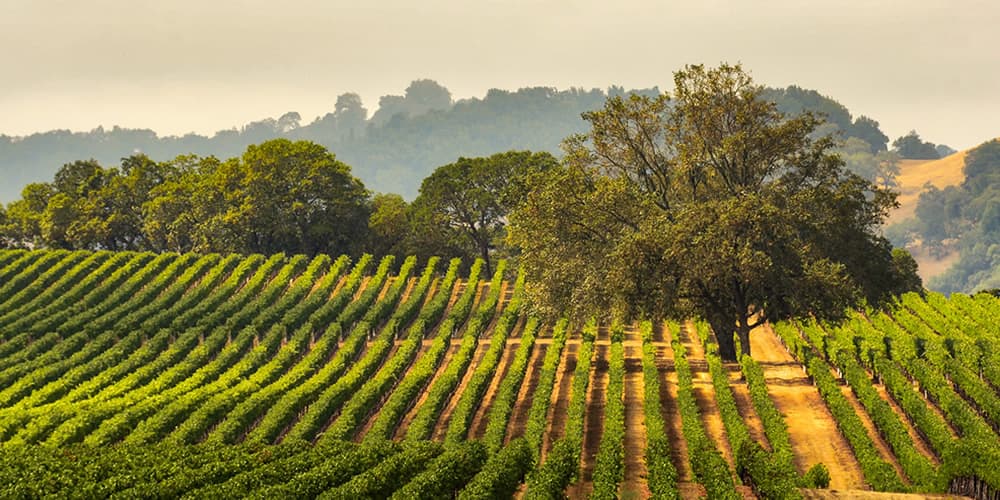
Sonoma Valley's diverse microclimates and varied terroir create a rich tapestry of wines, from robust Cabernet Sauvignon to elegant Chardonnay. This appellation's unique geography and climate make it a haven for wine enthusiasts seeking variety and quality.

Collections/Countries/USA/California/Sonoma Valley

About Sonoma Valley

Sonoma Valley, nestled in the heart of California's wine country, is a region defined by its diverse microclimates and varied terroir, offering a rich tapestry of wines that appeal to both novices and connoisseurs. Known for its ability to produce a wide range of grape varieties, Sonoma Valley is home to esteemed producers such as Hamel Family Wines, Louis M. Martini, and Hanzell Vineyards, each contributing to the region's reputation for quality and innovation. Chardonnay and Cabernet Sauvignon dominate the landscape, with the former offering crisp acidity and notes of apple and citrus, while the latter provides rich, full-bodied wines with flavors of dark fruit and spice. Pinot Noir and Zinfandel also thrive here, each expressing the unique characteristics of Sonoma's varied terroir. The price range of Sonoma Valley wines is as diverse as the wines themselves, with entry-level bottles starting around $20, offering excellent value, and premium selections that can reach several hundred dollars, showcasing the pinnacle of winemaking craftsmanship. Choosing Sonoma Valley means embracing a region that values tradition and innovation, offering wines that are as complex as they are approachable. Whether you're seeking the best Sonoma Valley wines or a comprehensive wine guide, this appellation promises a rewarding exploration of flavor and quality.

Regulations & Standards

As part of the North Coast AVA, Sonoma Valley adheres to strict regulations that ensure the quality and authenticity of its wines. The appellation mandates that wines labeled as Sonoma Valley must be made from grapes grown within the designated area, ensuring a true expression of the region's terroir. Additionally, specific varietal labeling laws require that at least 85% of the grapes used must be of the named variety. These regulations help maintain the integrity and reputation of Sonoma Valley wines, providing consumers with confidence in their quality and origin.

Grape Varieties

Sonoma Valley is renowned for its ability to cultivate a wide array of grape varieties, thanks to its diverse microclimates and varied terroir. Chardonnay and Cabernet Sauvignon are the most prominent, with Chardonnay offering bright acidity and flavors of apple and citrus, while Cabernet Sauvignon provides a robust structure with notes of dark fruit and spice. Pinot Noir, known for its elegance and complexity, thrives in the cooler areas of the valley, producing wines with red fruit and earthy undertones. Zinfandel, another key variety, is celebrated for its bold flavors and rich, jammy character. Other varieties like Merlot, Syrah, and Sauvignon Blanc also contribute to the valley's diverse wine portfolio.

Soil Composition

The soils of Sonoma Valley are as varied as its microclimates, playing a crucial role in the character of its wines. The region features a mix of volcanic, alluvial, and sedimentary soils, each contributing unique elements to the wines. Volcanic soils, rich in minerals, are ideal for producing structured and complex wines, particularly Cabernet Sauvignon and Syrah. Alluvial soils, found in the valley floors, are well-draining and support the cultivation of Chardonnay and Pinot Noir, enhancing their fruit-forward profiles. The diversity of soil types allows winemakers to craft wines with distinct expressions of terroir.

Climate Characteristics

Sonoma Valley benefits from a Mediterranean climate, characterized by warm, sunny days and cool, foggy nights, which is ideal for grape growing. The proximity to the Pacific Ocean moderates temperatures, allowing for a long growing season that helps grapes develop complex flavors while retaining acidity. This diurnal temperature variation is particularly beneficial for varieties like Chardonnay and Pinot Noir, which thrive in cooler conditions, while the warmer areas of the valley are perfect for ripening Cabernet Sauvignon and Zinfandel. The climate's influence is evident in the balance and elegance of Sonoma Valley wines.

Production Standards

Winemaking in Sonoma Valley is characterized by a commitment to quality and innovation, with many producers employing sustainable and organic practices. Traditional techniques, such as barrel aging and minimal intervention, are commonly used to enhance the natural expression of the grapes. The use of French and American oak barrels is prevalent, adding complexity and depth to the wines. This dedication to craftsmanship ensures that Sonoma Valley wines are not only reflective of their terroir but also of the winemakers' artistry.

On this page

  • About Sonoma Valley
  • Regulations & Standards
  • Grape Varieties
  • Soil Composition
  • Climate Characteristics
  • Production Standards

Frequently Asked Questions

What types of wine is Sonoma Valley known for?
Sonoma Valley is renowned for its diverse range of wines, particularly Chardonnay, Pinot Noir, and Cabernet Sauvignon. The region's varied microclimates and soil types allow for the production of both cool-climate and warm-climate varietals, making it a versatile wine-producing area.
How does Sonoma Valley wine compare to Napa Valley wine?
Sonoma Valley wines are often noted for their diversity and balance, with a focus on terroir-driven expressions. While Napa Valley is famous for its bold, fruit-forward Cabernet Sauvignons, Sonoma offers a broader range of varietals and often emphasizes a more restrained style.
What is the best time of year to visit Sonoma Valley wineries?
The best time to visit Sonoma Valley wineries is during the harvest season, which typically runs from late August through October. This period offers visitors a chance to experience the winemaking process firsthand and enjoy the vibrant fall colors in the vineyards.
Are there organic or biodynamic wines available from Sonoma Valley?
Yes, many wineries in Sonoma Valley produce organic and biodynamic wines. The region has a strong commitment to sustainable farming practices, and several producers are certified organic or biodynamic, offering wines that reflect these environmentally friendly approaches.
What are some popular wineries to visit in Sonoma Valley?
Popular wineries in Sonoma Valley include Chateau St. Jean, known for its elegant Chardonnays and Cabernet Sauvignons, and Benziger Family Winery, which offers biodynamic wines and informative vineyard tours. Other notable wineries include Kunde Family Winery and Buena Vista Winery, each offering unique tasting experiences.