-
Capital Spirits Logo

FOR THE THIRSTY

Raise a glass with us #Cheers

FacebookInstagramTikTokYouTube
concierge@capitalspirits.com
AboutLocationsEventsTrack OrderPrivacy PolicyTerms & ConditionsShipping PolicyReturn Policy
VisaMastercardAmerican ExpressApple PayGoogle Pay
Powered by Stripe
© 2026 Capital Spirits. All rights reserved.
APPELLATION

Santa Maria Valley Wine

Santa Maria Valley's cool climate and diverse soils create wines with remarkable balance and complexity. Known for its Pinot Noir and Chardonnay, this appellation offers wines that reflect the unique terroir of California's Central Coast.

Collections/Countries/USA/California/Santa Maria Valley

About Santa Maria Valley

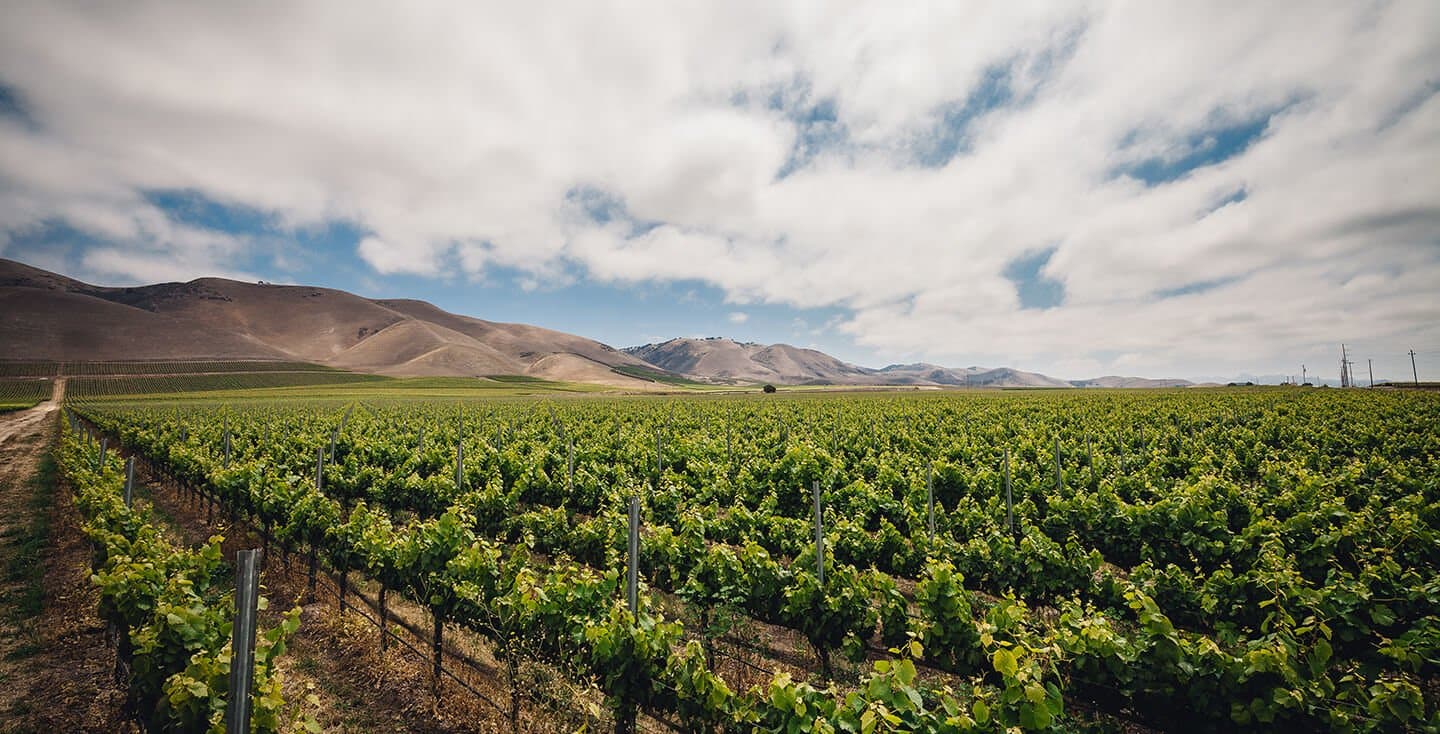
Santa Maria Valley, nestled within California's Central Coast, is a wine appellation defined by its cool climate and diverse soil types. This region is renowned for producing exceptional Pinot Noir and Chardonnay, offering wines with a balance of fruit intensity and vibrant acidity. The valley's unique transverse orientation allows cool ocean breezes to funnel through, creating an ideal environment for these grape varieties. Notable producers such as Cambria, Au Bon Climat, and Fess Parker craft wines that showcase the appellation's distinct character. Buyers seeking the best Santa Maria Valley wines will find a range of options, from approachable, everyday selections to premium, age-worthy bottles. The wines from this region are celebrated for their elegance and complexity, making them a worthy addition to any collection. Whether you're looking to buy Santa Maria Valley wine for a special occasion or to enjoy with a meal, this appellation offers something for every palate. Explore our Santa Maria Valley wine guide to discover the top selections and learn why these wines are a must-try for enthusiasts.

Regulations & Standards

Santa Maria Valley is a recognized American Viticultural Area (AVA) with specific regulations governing its wine production. The AVA designation requires that at least 85% of the grapes used in a wine labeled as Santa Maria Valley must be sourced from the region. This ensures that the wines truly reflect the unique terroir of the area. There are no specific aging requirements, allowing producers flexibility in crafting their wines, but the focus remains on quality and authenticity.

Grape Varieties

Santa Maria Valley is predominantly known for its Pinot Noir and Chardonnay, which thrive in the region's cool climate. These varieties benefit from the valley's unique transverse orientation, allowing for a long growing season that enhances flavor development and complexity. Pinot Noir from this area is celebrated for its bright red fruit flavors, earthy undertones, and silky tannins, while Chardonnay offers notes of citrus, apple, and a distinct minerality. Other varieties such as Syrah and Sauvignon Blanc also perform well, contributing to the diversity of the region's wine offerings.

Soil Composition

The soils of Santa Maria Valley are a complex mix of sandy loam and clay, with pockets of limestone and shale. These well-draining soils contribute to the development of concentrated flavors in the grapes, while the mineral content adds a distinctive character to the wines. The diversity of soil types allows for a range of expressions in the wines, from the bright, fruit-forward profiles of Pinot Noir to the crisp, mineral-driven Chardonnays.

Climate Characteristics

Santa Maria Valley's climate is heavily influenced by its proximity to the Pacific Ocean. The cool, maritime climate is characterized by foggy mornings and sunny afternoons, with significant diurnal temperature variation. This climate allows for a long growing season, which is ideal for developing the nuanced flavors and balanced acidity that define the region's wines. The cooling ocean breezes help maintain freshness in the grapes, resulting in wines with vibrant acidity and refined structure.

Production Standards

Winemaking in Santa Maria Valley often emphasizes minimal intervention to allow the natural characteristics of the grapes and terroir to shine. Many producers employ techniques such as hand-harvesting, gentle pressing, and the use of native yeasts for fermentation. Oak aging is typically used judiciously, with a preference for French oak barrels to enhance complexity without overpowering the fruit. These standards help maintain the purity and elegance that Santa Maria Valley wines are known for.

On this page

  • About Santa Maria Valley
  • Regulations & Standards
  • Grape Varieties
  • Soil Composition
  • Climate Characteristics
  • Production Standards

Frequently Asked Questions

What types of wine is Santa Maria Valley known for?
Santa Maria Valley is renowned for its Pinot Noir and Chardonnay wines. The region's cool climate and unique soil composition contribute to the production of wines with vibrant acidity and complex flavors.
How does the climate of Santa Maria Valley affect its wine production?
The cool, maritime climate of Santa Maria Valley, influenced by the Pacific Ocean, allows for a long growing season. This results in wines with balanced acidity and nuanced flavors, particularly in varietals like Pinot Noir and Chardonnay.
Are there any notable wineries in Santa Maria Valley?
Yes, Santa Maria Valley is home to several acclaimed wineries such as Bien Nacido Vineyards and Cambria Estate Winery. These wineries are known for producing high-quality wines that reflect the unique terroir of the region.
What is the best way to experience Santa Maria Valley wines?
Visiting the tasting rooms of local wineries offers a firsthand experience of Santa Maria Valley wines. Many wineries provide tours and tastings that showcase their signature wines and the distinctive characteristics of the region.
What food pairs well with Santa Maria Valley wines?
Santa Maria Valley Pinot Noir pairs excellently with dishes like roasted duck or grilled salmon, while Chardonnay complements seafood and creamy pasta dishes. The region's wines are versatile and enhance a wide range of culinary experiences.