-
Capital Spirits Logo

FOR THE THIRSTY

Raise a glass with us #Cheers

FacebookInstagramTikTokYouTube
concierge@capitalspirits.com
AboutLocationsEventsTrack OrderPrivacy PolicyTerms & ConditionsShipping PolicyReturn Policy
VisaMastercardAmerican ExpressApple PayGoogle Pay
Powered by Stripe
© 2026 Capital Spirits. All rights reserved.
APPELLATION

Santa Lucia Highlands Wine

Santa Lucia Highlands is defined by its cool, maritime-influenced climate, ideal for producing elegant Pinot Noir and Chardonnay. This California appellation is celebrated for its vibrant fruit flavors and balanced acidity.

Collections/Countries/USA/California/Santa Lucia Highlands

About Santa Lucia Highlands

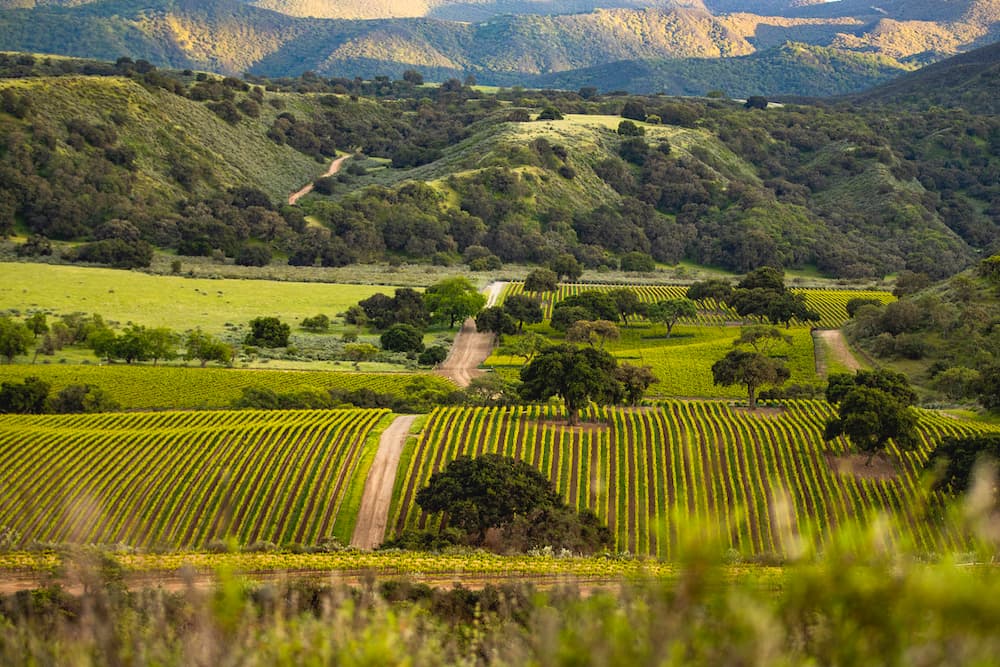
Santa Lucia Highlands, nestled in the coastal mountains of Monterey County, is a premier wine appellation known for its cool, maritime-influenced climate. This unique environment is perfect for cultivating Pinot Noir and Chardonnay, the dominant grape varieties of the region. Wines from Santa Lucia Highlands are celebrated for their vibrant fruit flavors, balanced acidity, and complex aromatics, making them a favorite among connoisseurs and collectors alike. The region's reputation is bolstered by esteemed producers such as Siduri Wines, Mer Soleil, and Belle Glos - Copper Cane, who craft wines that showcase the appellation's distinctive terroir. Buyers can expect a range of styles, from the bright and fruit-forward to the more structured and age-worthy, offering something for every palate. Santa Lucia Highlands wines typically range from $20 for entry-level offerings to over $100 for premium selections, providing options for both casual drinkers and serious collectors. The combination of quality and diversity makes this appellation a compelling choice for those seeking exceptional California wines. When searching for the best Santa Lucia Highlands wines, look for those that highlight the region's hallmark characteristics: lush fruit, elegant structure, and a touch of minerality. Whether you're new to the region or a seasoned enthusiast, Santa Lucia Highlands offers a wine experience that is both rewarding and memorable.

Regulations & Standards

As a recognized American Viticultural Area (AVA), Santa Lucia Highlands adheres to strict regulations regarding grape sourcing and labeling. Wines labeled as Santa Lucia Highlands must be made from at least 85% grapes grown within the AVA. The region's focus on quality is reflected in its commitment to sustainable viticulture practices, which are widely adopted by its producers. These standards ensure that wines from Santa Lucia Highlands consistently meet high quality expectations.

Grape Varieties

Santa Lucia Highlands is predominantly planted with Pinot Noir and Chardonnay, which thrive in its cool climate. Pinot Noir from this region is known for its bright red fruit flavors, such as cherry and raspberry, often complemented by earthy and spicy notes. Chardonnay exhibits crisp acidity with flavors of citrus, apple, and sometimes tropical fruit, often with a hint of minerality. These varieties benefit from the long growing season, which allows for full flavor development while retaining natural acidity.

Soil Composition

The soils of Santa Lucia Highlands are primarily composed of granite and gravelly loam, which provide excellent drainage. This composition, combined with the region's elevation and proximity to the ocean, contributes to the development of concentrated flavors and aromatic complexity in the wines. The well-drained soils encourage deep root systems, which help vines access nutrients and water efficiently, resulting in balanced and expressive wines.

Climate Characteristics

Santa Lucia Highlands benefits from a cool, maritime climate, heavily influenced by the Pacific Ocean. Morning fog and afternoon breezes moderate temperatures, creating a long growing season that is ideal for Pinot Noir and Chardonnay. This climate helps maintain acidity in the grapes while allowing for slow, even ripening, which is crucial for developing the nuanced flavors and aromas that the region's wines are known for.

Production Standards

Winemaking in Santa Lucia Highlands often emphasizes minimal intervention to allow the natural characteristics of the grapes and terroir to shine. Many producers employ techniques such as whole-cluster fermentation and the use of French oak barrels to enhance complexity and depth. The focus on sustainable and environmentally friendly practices is prevalent, ensuring the long-term health of the vineyards and the quality of the wines produced.

On this page

  • About Santa Lucia Highlands
  • Regulations & Standards
  • Grape Varieties
  • Soil Composition
  • Climate Characteristics
  • Production Standards

Frequently Asked Questions

What types of wine are produced in Santa Lucia Highlands?
Santa Lucia Highlands is renowned for its Pinot Noir and Chardonnay wines. The region's cool climate and coastal influences create ideal conditions for these varietals, resulting in wines with rich flavors and balanced acidity.
How does the climate of Santa Lucia Highlands affect its wines?
The Santa Lucia Highlands benefit from a cool, maritime climate with morning fog and afternoon breezes. This climate extends the growing season, allowing grapes to develop complex flavors and maintain natural acidity, particularly in Pinot Noir and Chardonnay.
What are the best food pairings for Santa Lucia Highlands Pinot Noir?
Santa Lucia Highlands Pinot Noir pairs well with a variety of dishes, including roasted duck, grilled salmon, and mushroom risotto. Its bright acidity and fruit-forward profile complement both rich and earthy flavors.
Are there any notable wineries in Santa Lucia Highlands?
Yes, the Santa Lucia Highlands is home to several acclaimed wineries, such as Roar Wines, Morgan Winery, and Hahn Family Wines. These producers are known for crafting high-quality Pinot Noir and Chardonnay that reflect the unique terroir of the region.
What is the typical flavor profile of Santa Lucia Highlands Chardonnay?
Chardonnay from Santa Lucia Highlands typically exhibits flavors of citrus, stone fruit, and a hint of minerality. The wines often have a creamy texture with balanced acidity, making them both refreshing and complex.