-
Capital Spirits Logo

FOR THE THIRSTY

Raise a glass with us #Cheers

FacebookInstagramTikTokYouTube
concierge@capitalspirits.com
AboutLocationsEventsTrack OrderPrivacy PolicyTerms & ConditionsShipping PolicyReturn Policy
VisaMastercardAmerican ExpressApple PayGoogle Pay
Powered by Stripe
© 2026 Capital Spirits. All rights reserved.
APPELLATION

Monterey Wine

Monterey's cool coastal climate and diverse terroir create wines with vibrant acidity and complex flavors. Discover offerings from renowned producers like La Crema and J. Lohr Vineyards & Wines.

Collections/Countries/USA/California/Monterey

About Monterey

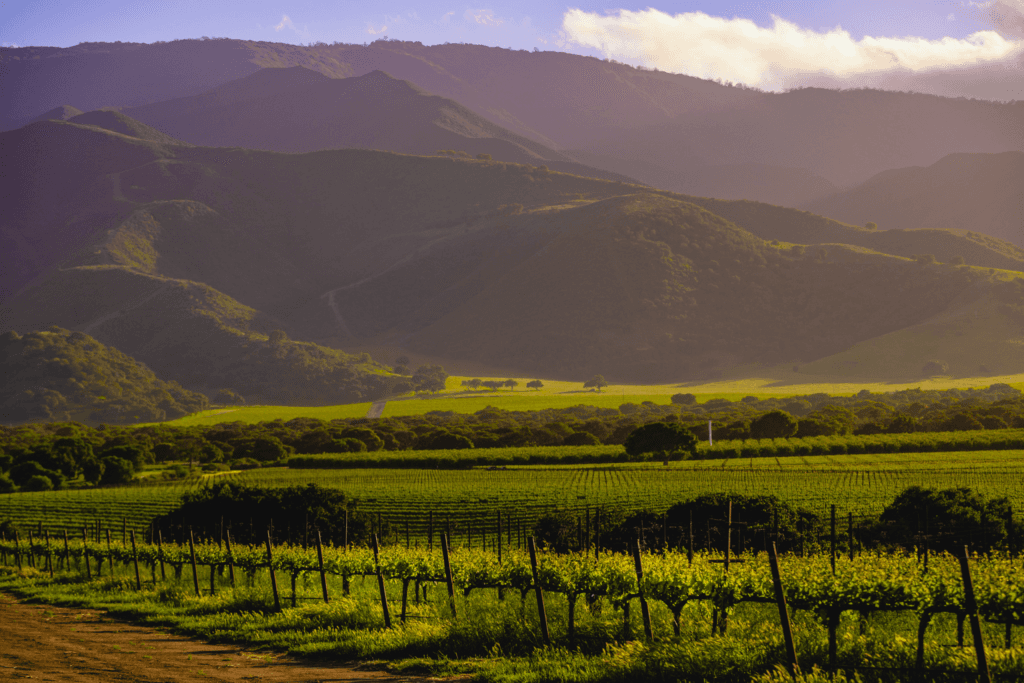
Monterey, a distinguished wine appellation in California, is celebrated for its cool coastal climate and diverse terroir, which contribute to the production of wines with vibrant acidity and complex flavors. The region's proximity to the Pacific Ocean ensures a long growing season, allowing grapes to develop intense flavors while maintaining refreshing acidity. Key grape varieties include Chardonnay and Pinot Noir, which thrive in the cool, fog-influenced conditions, producing wines with elegance and finesse. Monterey's wine landscape is shaped by esteemed producers such as La Crema, J. Lohr Vineyards & Wines, and Scheid Family Wines. These wineries are known for crafting wines that reflect the unique terroir of the region. From entry-level offerings to premium selections, Monterey wines cater to a range of palates and budgets. Whether you're seeking a crisp Chardonnay or a silky Pinot Noir, Monterey offers a diverse array of options. When buying Monterey wines, look for expressions that highlight the region's signature style: bright fruit flavors, balanced acidity, and a touch of minerality. The wines are perfect for pairing with a variety of dishes, making them a versatile choice for any occasion. Explore our selection of Monterey wines and experience the coastal elegance of this remarkable appellation.

Regulations & Standards

Monterey's wine production is governed by strict regulations to ensure quality and authenticity. The appellation allows a wide range of grape varieties, but Chardonnay and Pinot Noir are the most prominent. Wines labeled as Monterey must adhere to specific standards, including a minimum percentage of grapes sourced from the region. These regulations help maintain the integrity and reputation of Monterey wines, ensuring that they reflect the unique terroir and climatic conditions of the area.

Grape Varieties

Monterey is renowned for its Chardonnay and Pinot Noir, which thrive in the region's cool climate. Chardonnay from Monterey is often characterized by bright citrus and stone fruit flavors, complemented by a refreshing acidity. Pinot Noir, on the other hand, showcases red berry and cherry notes, with a silky texture and subtle earthiness. Other varieties such as Syrah, Merlot, and Cabernet Sauvignon also perform well, offering diverse options for wine enthusiasts. The region's ability to produce such a wide range of grape varieties is a testament to its unique microclimates and soil diversity.

Soil Composition

The soils of Monterey are as diverse as its microclimates, ranging from sandy loam to clay and gravelly soils. These varied soil types contribute to the complexity and character of the wines produced. Sandy soils, found in areas like the Salinas Valley, promote good drainage and are ideal for growing Chardonnay and Pinot Noir, enhancing their aromatic profiles. The clay and gravelly soils found in other parts of the region support the growth of robust red varieties, adding structure and depth to the wines.

Climate Characteristics

Monterey's climate is heavily influenced by the Pacific Ocean, which provides a cooling effect that is crucial for the development of high-quality wines. The cool, foggy mornings and warm, sunny afternoons create a long growing season, allowing grapes to ripen slowly and evenly. This results in wines with vibrant acidity and well-defined fruit flavors. The diurnal temperature variation also helps to preserve the natural acidity in the grapes, a hallmark of Monterey wines.

Production Standards

Winemaking in Monterey often emphasizes minimal intervention to allow the natural characteristics of the grapes and terroir to shine. Many producers employ sustainable and environmentally friendly practices, focusing on preserving the land for future generations. Techniques such as cold fermentation and careful oak aging are commonly used to enhance the wines' complexity and balance, resulting in elegant and expressive wines that capture the essence of Monterey.

On this page

  • About Monterey
  • Regulations & Standards
  • Grape Varieties
  • Soil Composition
  • Climate Characteristics
  • Production Standards

Frequently Asked Questions

What types of wine is Monterey known for?
Monterey is renowned for its Chardonnay and Pinot Noir wines, thanks to its cool climate and diverse microclimates. The region also produces excellent Riesling, Syrah, and Merlot, benefiting from the long growing season and coastal influences.
How does the climate in Monterey affect its wine production?
Monterey's climate is characterized by cool ocean breezes and fog from the Pacific, which help maintain acidity and balance in the grapes. This results in wines with bright flavors and vibrant acidity, particularly in white varietals like Chardonnay.
Which wineries should I visit in Monterey for a tasting experience?
Notable wineries in Monterey include Bernardus Winery, known for its Bordeaux-style blends, and Talbott Vineyards, famous for its Chardonnay and Pinot Noir. Additionally, Hahn Estate offers stunning views and a comprehensive tasting experience of the region's varietals.
What is the best time of year to visit Monterey wine country?
The best time to visit Monterey wine country is during the fall, particularly September and October, when the harvest season is in full swing. This period offers visitors the chance to experience the vibrant colors of the vineyards and participate in harvest-related events.
Are there any unique wine styles or techniques used in Monterey?
Monterey winemakers often employ sustainable and innovative viticulture techniques to enhance the quality of their wines. The region is also known for its use of cool-climate viticulture, which allows for the production of wines with distinct minerality and complexity.