-
Capital Spirits Logo

FOR THE THIRSTY

Raise a glass with us #Cheers

FacebookInstagramTikTokYouTube
concierge@capitalspirits.com
AboutLocationsEventsTrack OrderPrivacy PolicyTerms & ConditionsShipping PolicyReturn Policy
VisaMastercardAmerican ExpressApple PayGoogle Pay
Powered by Stripe
© 2026 Capital Spirits. All rights reserved.
APPELLATION

Carneros Wine

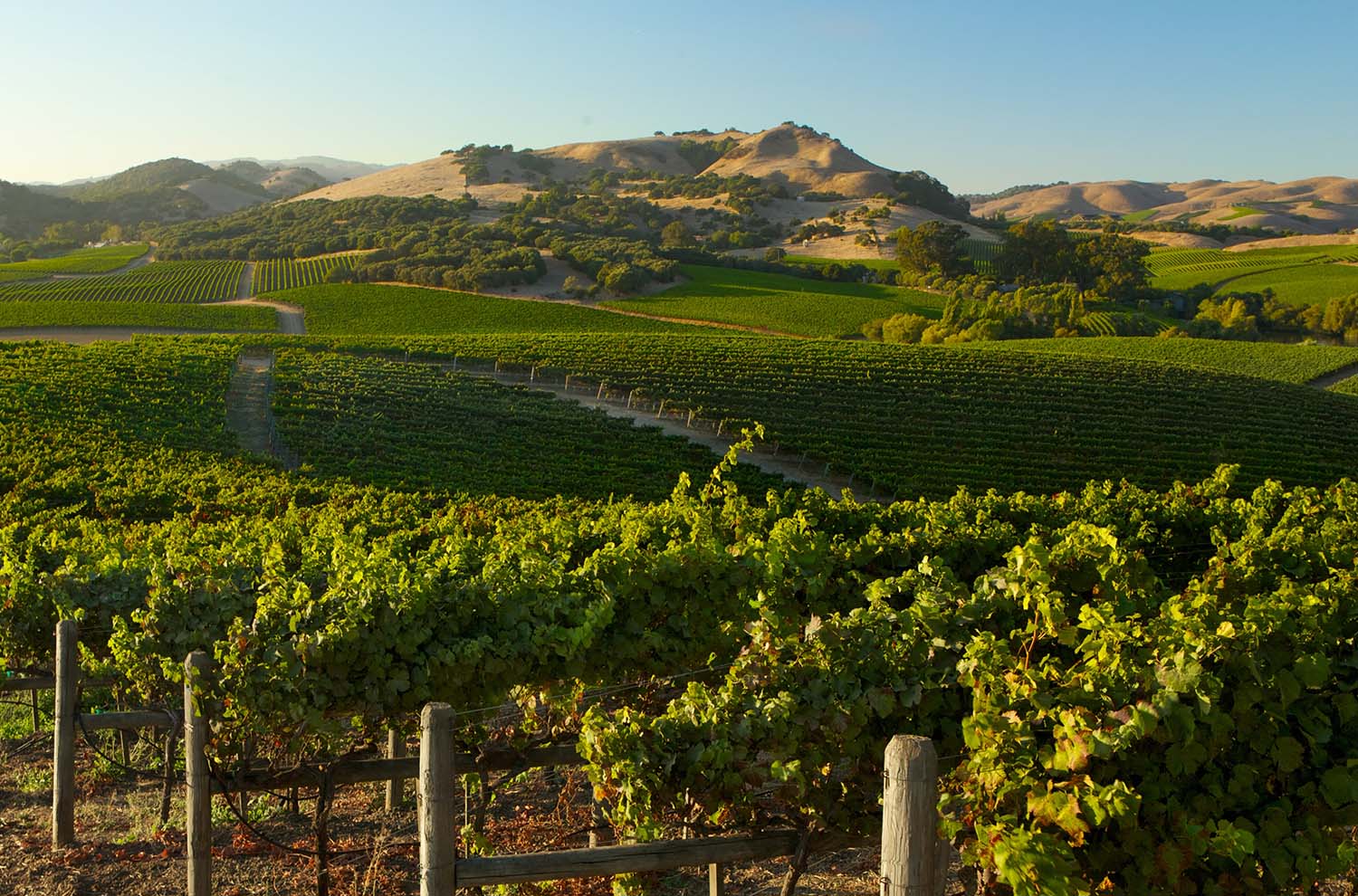
Carneros is distinguished by its cool, foggy climate, ideal for producing exceptional Pinot Noir and Chardonnay. This appellation's unique terroir is expertly expressed by renowned producers like Frank Family Vineyards and Domaine Carneros.

Collections/Countries/USA/California/Carneros

About Carneros

Carneros, straddling the southern parts of Napa and Sonoma counties, is a unique appellation celebrated for its cool, foggy climate and clay-dominated soils. These conditions are perfect for cultivating Pinot Noir and Chardonnay, the two grape varieties that define the region's wine identity. The cooling influence of the nearby San Pablo Bay ensures a long growing season, allowing grapes to develop complexity and balance. Renowned producers such as Frank Family Vineyards, Rombauer Vineyards, and Domaine Carneros by Champagne Taittinger craft wines that capture the essence of Carneros. Pinot Noir from this region often exhibits bright red fruit flavors, with earthy undertones and a silky texture, while Chardonnay is known for its crisp acidity and notes of citrus and green apple. For those seeking the best Carneros wines, look no further than the offerings from Patz & Hall and Hyde de Villaine, which showcase the appellation's potential for elegance and finesse. Prices range from accessible entry-level bottles to premium selections, ensuring options for every budget. Choosing Carneros means embracing wines that are both expressive and versatile, perfect for pairing with a variety of dishes. Whether you're a seasoned collector or a curious enthusiast, Carneros offers a wine experience that is both rewarding and memorable.

Regulations & Standards

Carneros is an AVA (American Viticultural Area) that spans both Napa and Sonoma counties. The regulations for this appellation focus on the geographical boundaries and the climate characteristics that define it. There are no specific varietal requirements, but the region is renowned for Pinot Noir and Chardonnay. The appellation's rules emphasize the importance of the cool climate and the influence of the San Pablo Bay, which are critical to maintaining the quality and style of Carneros wines.

Grape Varieties

Carneros is primarily known for its Pinot Noir and Chardonnay, which thrive in the region's cool climate. Pinot Noir from Carneros is celebrated for its bright cherry and raspberry flavors, often accompanied by earthy notes and a silky texture. Chardonnay, on the other hand, benefits from the region's long growing season, resulting in wines with crisp acidity and flavors of citrus, green apple, and sometimes a hint of minerality. These varieties are well-suited to the foggy mornings and sunny afternoons characteristic of Carneros, allowing for balanced ripening and complex flavor development.

Soil Composition

The soils of Carneros are predominantly clay-based, with some areas featuring loam and rocky subsoils. This composition is crucial for water retention, which is beneficial in the dry summer months. The clay soils contribute to the rich texture and depth found in Carneros wines, particularly enhancing the body and structure of Pinot Noir and Chardonnay. The varied soil types across the region also allow for subtle differences in flavor profiles, adding to the complexity and diversity of the wines produced here.

Climate Characteristics

Carneros benefits from a cool, maritime climate, heavily influenced by the proximity to San Pablo Bay. The region experiences foggy mornings and sunny afternoons, which are ideal for slow, even ripening of grapes. This climate contributes to the high acidity and vibrant fruit flavors found in Carneros wines. The cool temperatures help preserve the natural acidity in the grapes, a hallmark of the region's Pinot Noir and Chardonnay, and allow for the development of complex aromas and flavors.

Production Standards

Winemaking in Carneros often involves techniques that highlight the natural acidity and fruit character of the grapes. Many producers employ minimal intervention practices, allowing the terroir to shine through. Barrel aging is common, particularly for Chardonnay, to add complexity and depth. The use of French oak is prevalent, providing subtle spice and texture without overpowering the delicate fruit flavors. These standards ensure that Carneros wines maintain their distinctive balance and elegance.

On this page

  • About Carneros
  • Regulations & Standards
  • Grape Varieties
  • Soil Composition
  • Climate Characteristics
  • Production Standards

Frequently Asked Questions

What types of wine is Carneros known for?
Carneros is renowned for its Pinot Noir and Chardonnay wines. The region's cool climate and unique terroir contribute to the production of these high-quality varietals.
How does the climate in Carneros affect its wine production?
Carneros benefits from a cool, maritime climate influenced by the San Pablo Bay. This climate is ideal for growing Pinot Noir and Chardonnay, as it allows for a longer growing season and results in wines with balanced acidity and complex flavors.
Are there any notable wineries in Carneros I should visit?
Yes, Carneros is home to several notable wineries such as Domaine Carneros, Artesa Vineyards & Winery, and Etude Wines. These wineries are known for their exceptional Pinot Noir and Chardonnay, as well as their beautiful tasting rooms and scenic views.
What distinguishes Carneros Pinot Noir from other regions?
Carneros Pinot Noir is distinguished by its bright acidity, red fruit flavors, and subtle earthiness. The cool climate and clay-loam soils contribute to the wine's elegance and complexity, making it a favorite among Pinot Noir enthusiasts.
Is Carneros wine typically more expensive than other California wines?
Carneros wines can vary in price, but they are often considered premium due to the region's reputation for quality. While some bottles may be more expensive, there are also many options available that offer excellent value for their price.