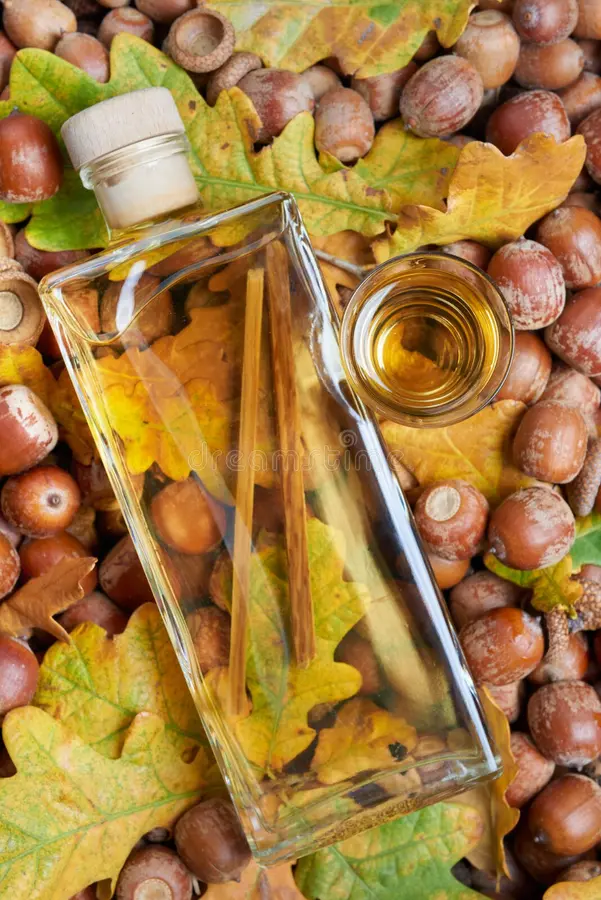
PRODUCT SUBCATEGORY

Botanical Liqueur

Botanical liqueur is defined by its infusion of herbs, spices, and botanicals, offering a complex and aromatic profile. These liqueurs are crafted to highlight the natural flavors of their ingredients, making them a versatile choice for cocktails or sipping neat.

About Botanical

Botanical liqueur stands out in the spirits world due to its infusion of a diverse array of herbs, spices, and botanicals, creating a complex and aromatic profile that appeals to both casual drinkers and connoisseurs. Unlike other liqueurs that may focus on a single dominant flavor, Botanical liqueurs offer a symphony of tastes that can range from sweet and floral to earthy and spicy. This category is not defined by a single country of origin, allowing for creative interpretations from distillers worldwide, though notable producers can be found in regions with rich herbal traditions, such as Europe and North America. The production of Botanical liqueurs involves macerating or distilling a blend of botanicals in a base spirit, often followed by sweetening. This process allows the natural flavors of ingredients like juniper, citrus peel, lavender, and anise to shine, resulting in a spirit that is both refreshing and complex. These liqueurs are ideal for crafting cocktails, adding depth and character to classic recipes or inspiring new creations. They can also be enjoyed neat or over ice, allowing the intricate flavors to unfold with each sip. When considering a purchase, buyers can expect a price range that varies from accessible entry-level options to premium offerings that highlight rare or exotic botanicals. Choosing a Botanical liqueur is about embracing a unique tasting experience that celebrates the art of blending nature's finest ingredients. Whether you're seeking the best Botanical liqueur for a cocktail party or looking to buy a distinctive gift, this category offers a world of flavors waiting to be explored.

Tasting Profile

Botanical liqueurs typically offer a complex flavor profile with notes of herbs, spices, and floral elements. Aromas can include juniper, citrus, and lavender, while the texture is often smooth and slightly viscous. The finish is usually long and aromatic, with a balance of sweetness and herbal depth.

Serving Guide

Botanical liqueurs are best served chilled or over ice to enhance their aromatic qualities. Use a tulip-shaped glass to concentrate the aromas, and consider adding a twist of citrus or a sprig of fresh herbs for garnish. They can also be used as a base or modifier in a variety of cocktails.

Region Information

Botanical liqueurs are produced globally, with significant contributions from Europe, particularly in countries like France and Italy, where herbal liqueur traditions are strong. In North America, innovative distillers are also crafting unique expressions. Regional variations often reflect local botanicals and traditional recipes, offering diverse flavor profiles.

Frequently Asked Questions

What is a Botanical liqueur?
A Botanical liqueur is a type of spirit infused with a variety of herbs, spices, and botanicals. It is known for its complex and aromatic flavor profile, making it versatile for cocktails or sipping neat.
How should I serve Botanical liqueur?
Botanical liqueur is best served chilled or over ice. Use a tulip-shaped glass to enhance its aromatic qualities, and consider garnishing with a citrus twist or fresh herbs.
What does Botanical liqueur taste like?
Botanical liqueurs offer a complex taste with herbal, spicy, and floral notes. Common flavors include juniper, citrus, and lavender, with a smooth texture and a long, aromatic finish.
Where is Botanical liqueur produced?
Botanical liqueurs are produced worldwide, with notable examples from Europe, especially France and Italy, and innovative offerings from North America. Each region may use different botanicals, reflecting local traditions.
What is the price range for Botanical liqueurs?
The price of Botanical liqueurs can vary widely, from affordable entry-level options to premium bottles featuring rare botanicals. Prices reflect the complexity and quality of the ingredients used.