-
Capital Spirits Logo

FOR THE THIRSTY

Raise a glass with us #Cheers

FacebookInstagramTikTokYouTube
concierge@capitalspirits.com
AboutLocationsEventsTrack OrderPrivacy PolicyTerms & ConditionsShipping PolicyReturn Policy
VisaMastercardAmerican ExpressApple PayGoogle Pay
Powered by Stripe
© 2026 Capital Spirits. All rights reserved.
APPELLATION

Anderson Valley Wine

Anderson Valley's cool climate and fog influence produce exceptional Pinot Noir and Chardonnay. Discover wines from top producers like Roederer Estate and Goldeneye.

Collections/Countries/USA/ Anderson Valley

About Anderson Valley

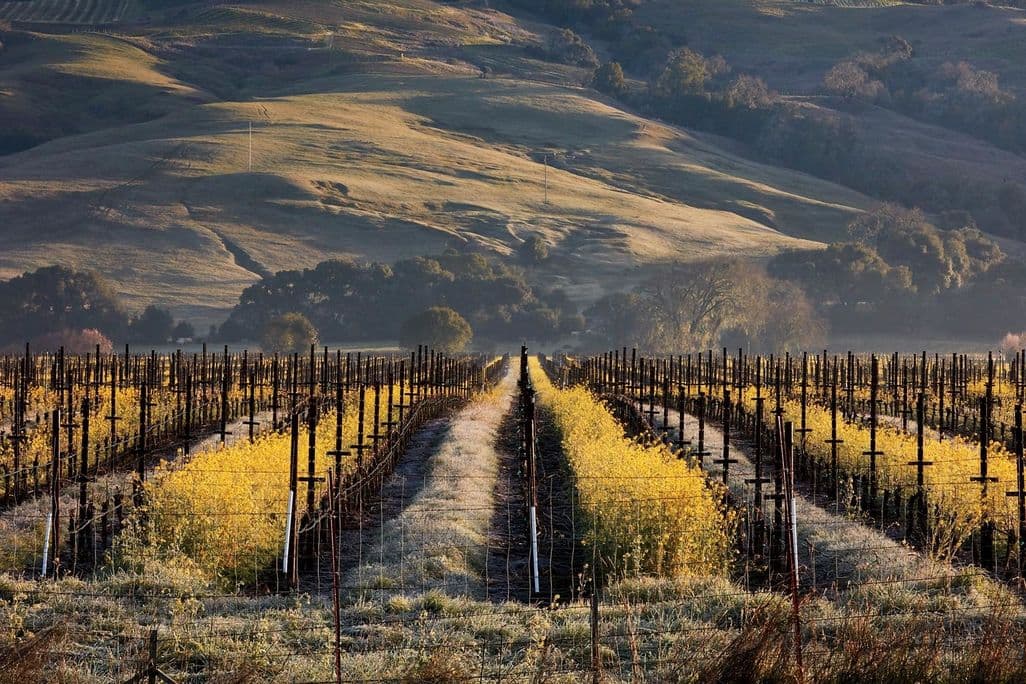
Anderson Valley, located in California's Mendocino County, is celebrated for its cool climate wines, particularly Pinot Noir and Chardonnay. The valley's unique geographical position, with its proximity to the Pacific Ocean, ensures a steady influx of fog and cool breezes, creating ideal conditions for these varietals. This results in wines with vibrant acidity and complex flavor profiles, making them highly sought after by connoisseurs. The producer landscape in Anderson Valley is diverse and prestigious, featuring names like Roederer Estate, known for its sparkling wines, and Goldeneye, which crafts exquisite Pinot Noir. Other notable producers include Williams Selyem, FEL Wines, and Merry Edwards Winery, each contributing to the valley's reputation for quality and innovation. When considering Anderson Valley wines, buyers can expect a range of prices. Entry-level options offer excellent value, while premium selections from producers like Rhys Vineyards and Copain Wines provide a more luxurious experience. Whether you're seeking the best Anderson Valley wines for a special occasion or exploring new varietals, this region offers a compelling mix of tradition and modern winemaking techniques. Choosing Anderson Valley means embracing wines that reflect a true sense of place, with each bottle offering a taste of the valley's unique terroir. From the crisp, mineral-driven Chardonnays to the elegant, fruit-forward Pinot Noirs, Anderson Valley wines are a testament to the region's dedication to quality and craftsmanship.

Regulations & Standards

Anderson Valley is an American Viticultural Area (AVA) with specific regulations governing grape growing and winemaking practices. The AVA designation ensures that wines labeled as Anderson Valley must be made from grapes grown within the defined geographical area. There are no specific aging requirements, allowing producers the flexibility to craft wines that best express the region's terroir. The focus is on maintaining high quality and authenticity in every bottle.

Grape Varieties

Anderson Valley is predominantly known for its Pinot Noir and Chardonnay, which thrive in the region's cool climate. Pinot Noir from this area is celebrated for its elegance, with flavors ranging from red berries to earthy undertones. Chardonnay, on the other hand, often exhibits bright acidity and notes of citrus and green apple. The valley also supports other varietals like Gewürztraminer and Riesling, which benefit from the cool temperatures and contribute to the region's diverse wine portfolio.

Soil Composition

The soils of Anderson Valley are primarily composed of alluvial deposits, clay, and loam, which provide excellent drainage and nutrient availability for the vines. These soil types contribute to the development of complex flavors and aromas in the wines, particularly enhancing the minerality and structure of the Pinot Noir and Chardonnay. The varied topography and soil composition across the valley allow for a range of expressions within these varietals.

Climate Characteristics

Anderson Valley's climate is characterized by cool temperatures and significant diurnal temperature variation, influenced by the Pacific Ocean's proximity. The frequent fog and cool breezes help to moderate temperatures, preserving acidity and extending the growing season. This climate is ideal for producing wines with balanced acidity, vibrant fruit flavors, and refined tannins, particularly in Pinot Noir and Chardonnay.

Production Standards

Winemaking in Anderson Valley emphasizes minimal intervention to allow the natural characteristics of the grapes and terroir to shine. Many producers employ sustainable and organic practices, reflecting a commitment to environmental stewardship. Techniques such as gentle pressing, fermentation in small lots, and the use of French oak barrels are common, contributing to the complexity and elegance of the wines.

On this page

  • About Anderson Valley
  • Regulations & Standards
  • Grape Varieties
  • Soil Composition
  • Climate Characteristics
  • Production Standards

Frequently Asked Questions

What types of wine is Anderson Valley known for?
Anderson Valley is renowned for its production of cool-climate wines, particularly Pinot Noir and Chardonnay. The region's unique microclimate also supports excellent sparkling wines and aromatic whites like Gewürztraminer and Riesling.
How does the climate of Anderson Valley affect its wine production?
The cool, coastal climate of Anderson Valley, influenced by fog from the Pacific Ocean, creates ideal conditions for growing Pinot Noir and other cool-climate varietals. This results in wines that are often noted for their bright acidity, complexity, and balanced fruit flavors.
Are there organic or sustainable wineries in Anderson Valley?
Yes, many wineries in Anderson Valley practice organic and sustainable viticulture. These practices are part of a broader commitment to environmental stewardship and often result in wines that reflect the natural characteristics of the region.
What is the best time to visit Anderson Valley wineries?
The best time to visit Anderson Valley wineries is during the spring and fall, when the weather is mild and the vineyards are either budding or showcasing vibrant fall colors. Additionally, the Anderson Valley Pinot Noir Festival in May is a popular event for wine enthusiasts.
Can I find sparkling wines from Anderson Valley?
Yes, Anderson Valley is known for producing high-quality sparkling wines. The region's cool climate and diverse terroir provide ideal conditions for crafting sparkling wines with crisp acidity and complex flavors.