-
Capital Spirits Logo

FOR THE THIRSTY

Raise a glass with us #Cheers

FacebookInstagramTikTokYouTube
concierge@capitalspirits.com
AboutLocationsEventsTrack OrderPrivacy PolicyTerms & ConditionsShipping PolicyReturn Policy
VisaMastercardAmerican ExpressApple PayGoogle Pay
Powered by Stripe
© 2026 Capital Spirits. All rights reserved.
REGION

Alentejo Wine

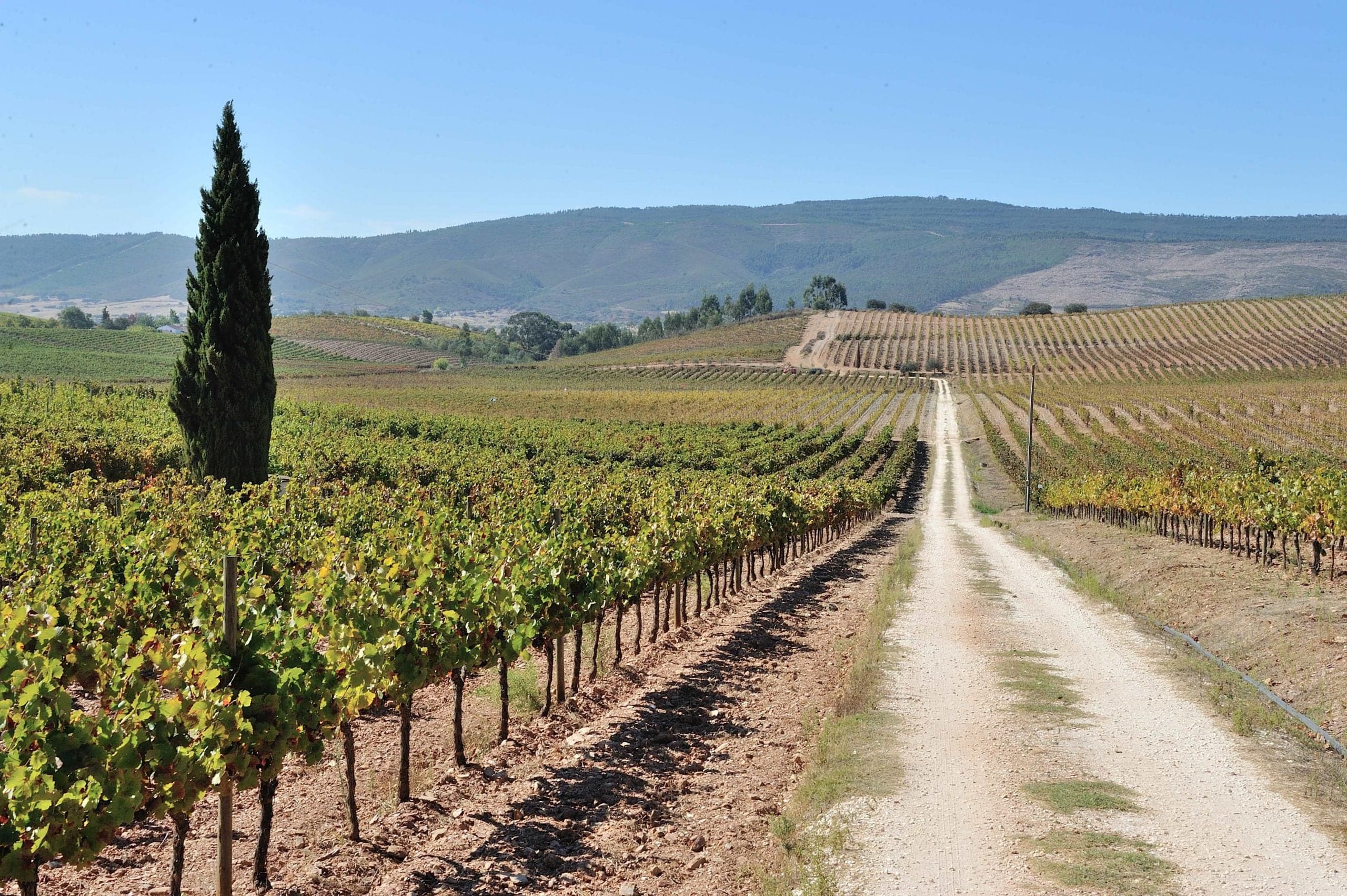
Alentejo's expansive plains and sun-drenched vineyards yield wines with bold flavors and rich textures. Known for its robust reds and aromatic whites, Alentejo offers a taste of Portugal's diverse viticulture.

Collections/Countries/Portugal/Alentejo

About Alentejo

Alentejo, a vast region in southern Portugal, is celebrated for its sun-drenched vineyards and diverse wine styles. The region's warm climate and varied soils, ranging from schist to granite, create ideal conditions for cultivating a wide array of grape varieties. Alentejo is particularly noted for its robust red wines, often made from indigenous varieties like Aragonez, Trincadeira, and Alicante Bouschet, which deliver rich, full-bodied flavors with notes of dark fruit and spice. White wines from Alentejo, crafted from grapes such as Antão Vaz and Arinto, offer refreshing acidity and aromatic complexity. The producer landscape in Alentejo is vibrant, with renowned names like João Portugal Ramos and Dona Maria - Júlio Bastos leading the charge in crafting wines that reflect the region's unique terroir. These producers, along with others like Quinta Da Fonte Souto - Symington Family Estates and Herdade Do Peso - Sogrape, are committed to both tradition and innovation, ensuring that Alentejo wines continue to captivate wine enthusiasts worldwide. For buyers, Alentejo wines offer a compelling mix of quality and value. Whether you're drawn to the bold, structured reds or the crisp, aromatic whites, Alentejo provides a diverse range of options that are perfect for any occasion.

Climate & Terroir of Alentejo

Alentejo's climate is characterized by hot, dry summers and mild winters, providing optimal conditions for grape growing. The region's soils are diverse, including schist, granite, and limestone, which contribute to the complexity and depth of the wines. The expansive plains and rolling hills of Alentejo allow for ample sunlight exposure, enhancing the ripening process and resulting in wines with concentrated flavors and balanced acidity.

Winemaking Traditions

Winemaking in Alentejo is steeped in tradition, with many producers embracing both ancient and modern techniques. The use of large clay pots, known as 'talhas,' is a historic method still employed by some winemakers to ferment and age wine, imparting unique earthy characteristics. Additionally, the region's commitment to sustainable practices and low-intervention winemaking ensures that the natural qualities of the grapes are preserved, resulting in wines that truly express the terroir of Alentejo.

Notable Producers in Alentejo

Alentejo is home to several notable producers who have made significant contributions to the region's wine reputation. João Portugal Ramos is renowned for crafting wines that balance tradition with modernity. Dona Maria - Júlio Bastos is celebrated for its elegant and expressive wines. Quinta Da Fonte Souto - Symington Family Estates and Herdade Do Peso - Sogrape are also key players, known for their dedication to quality and innovation. These producers, along with others like Herdade Do Mouchão and José De Sousa - José Maria Da Fonseca, offer a diverse range of wines that showcase the best of Alentejo.

Food Pairings

Alentejo wines pair beautifully with a variety of dishes. The region's robust red wines complement hearty meats such as grilled lamb or beef, while their rich textures and spicy notes enhance the flavors of traditional Portuguese stews. Alentejo's aromatic white wines are perfect with seafood dishes, offering a refreshing counterpoint to the briny flavors. Additionally, the wines' balanced acidity makes them an excellent match for creamy cheeses and charcuterie.

History of Alentejo

The history of winemaking in Alentejo dates back to Roman times, with evidence of viticulture found throughout the region. Over the centuries, Alentejo has evolved into one of Portugal's most important wine regions, known for its innovation and quality. The introduction of modern winemaking techniques in the late 20th century, combined with a renewed focus on indigenous grape varieties, has propelled Alentejo to international acclaim. Today, the region continues to honor its rich heritage while embracing new methods to enhance the quality and diversity of its wines.

On this page

  • About Alentejo
  • Climate & Terroir of Alentejo
  • Winemaking Traditions
  • Notable Producers in Alentejo
  • Food Pairings
  • History of Alentejo

Frequently Asked Questions

What types of wine is Alentejo famous for?
Alentejo is renowned for its rich, full-bodied red wines, often made from grape varieties such as Aragonez, Trincadeira, and Alicante Bouschet. The region also produces fresh and aromatic white wines using grapes like Antão Vaz and Arinto.
Are Alentejo wines good for aging?
Yes, many Alentejo red wines, particularly those made from Alicante Bouschet and other robust grape varieties, have excellent aging potential. These wines can develop complex flavors and aromas over time, making them a great choice for cellaring.
What is the typical flavor profile of Alentejo red wines?
Alentejo red wines are typically characterized by rich, fruity flavors with notes of ripe berries, plums, and sometimes chocolate or spice. They often have a smooth, velvety texture and balanced tannins, making them approachable and enjoyable.
How does the climate of Alentejo affect its wine production?
The Alentejo region has a warm, dry climate with plenty of sunshine, which contributes to the ripeness and concentration of flavors in its wines. This climate allows for consistent grape ripening, resulting in wines that are rich and full-bodied.
What food pairs well with Alentejo wines?
Alentejo red wines pair well with hearty dishes such as grilled meats, stews, and aged cheeses, complementing their rich flavors. Alentejo white wines are versatile and pair nicely with seafood, poultry, and salads, enhancing their fresh and fruity notes.