-
Capital Spirits Logo

FOR THE THIRSTY

Raise a glass with us #Cheers

FacebookInstagramTikTokYouTube
concierge@capitalspirits.com
AboutLocationsEventsTrack OrderPrivacy PolicyTerms & ConditionsShipping PolicyReturn Policy
VisaMastercardAmerican ExpressApple PayGoogle Pay
Powered by Stripe
© 2026 Capital Spirits. All rights reserved.
PRODUCT SUBCATEGORY

Aglianico Red Wine

Aglianico is celebrated for its robust tannins and deep, complex flavors. Originating primarily from Southern Italy, this red wine offers a rich tapestry of dark fruit notes, often complemented by earthy and smoky undertones.

Collections/Wine/Red Wine/Aglianico

About Aglianico

Aglianico, often referred to as the 'Barolo of the South', is a red wine grape variety that thrives in the volcanic soils of Southern Italy, particularly in the regions of Campania and Basilicata. Known for its bold tannins and high acidity, Aglianico produces wines that are both powerful and age-worthy, often requiring a few years of cellaring to fully develop their complex flavor profiles. The best Aglianico wines exhibit a deep garnet color with aromas of black cherry, plum, and dried herbs, alongside hints of leather, tobacco, and smoke. These wines are typically full-bodied with a firm structure, making them an excellent choice for those who appreciate robust and layered red wines. When considering food pairings, Aglianico shines alongside hearty dishes such as braised meats, rich pasta sauces, and aged cheeses, which complement its intense flavors and tannic grip. While entry-level Aglianico wines offer great value, premium selections can command higher prices, reflecting their quality and aging potential. For those seeking a wine that combines depth, complexity, and a sense of place, Aglianico is a compelling choice.

Tasting Profile

Aglianico wines are known for their deep, rich flavors of black cherry, plum, and fig, often accompanied by earthy notes of leather and tobacco. The wine's firm tannins and high acidity provide a robust structure, while hints of smoke and spice add complexity to the finish.

Serving Guide

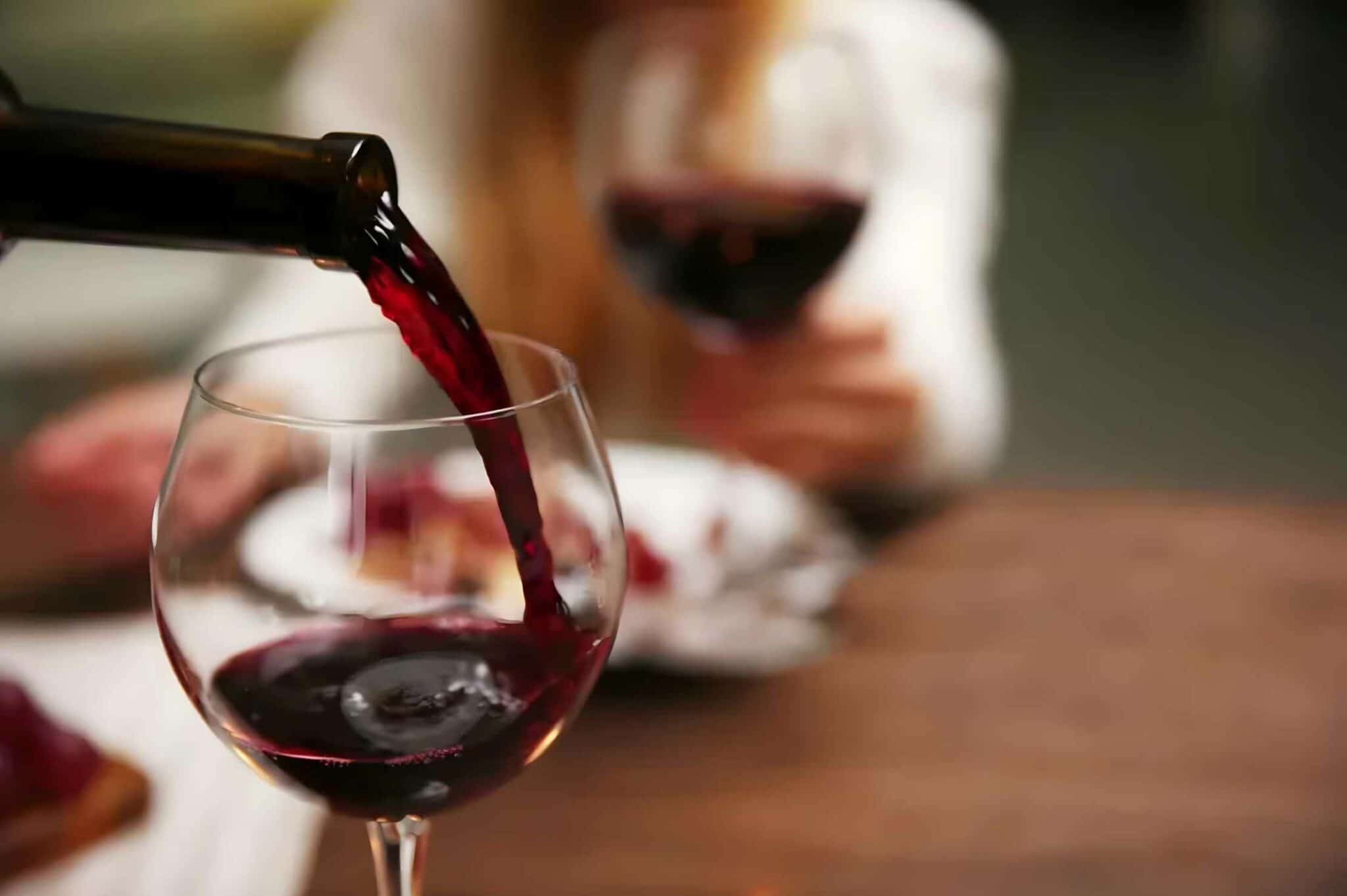
Aglianico is best served at a temperature of 16-18°C (60-65°F) in a large, wide-bowled glass to allow its complex aromas to fully develop. Decanting for at least an hour is recommended to soften its tannins and enhance its flavors.

Region Information

The finest Aglianico wines are produced in Southern Italy, particularly in the regions of Campania and Basilicata. In Campania, the Taurasi DOCG is renowned for its age-worthy expressions, while Basilicata's Aglianico del Vulture DOCG offers wines with a distinctive mineral character due to the volcanic soils. Each region imparts unique characteristics, from the smoky, earthy notes of Taurasi to the more fruit-forward profiles of Vulture.

On this page

  • About Aglianico
  • Tasting Profile
  • Serving Guide
  • Region Information

Frequently Asked Questions

What does Aglianico wine taste like?
Aglianico wine is known for its bold flavors of black cherry, plum, and fig, with earthy undertones of leather and tobacco. It has firm tannins and high acidity, making it a robust and complex wine.
How should I serve Aglianico wine?
Aglianico should be served at 16-18°C (60-65°F) in a large glass to enhance its aromas. Decanting for at least an hour is recommended to soften its tannins and bring out its full flavor profile.
What foods pair well with Aglianico wine?
Aglianico pairs well with hearty dishes such as braised meats, rich pasta sauces, and aged cheeses. Its robust structure and complex flavors complement these rich foods beautifully.
Where is Aglianico wine produced?
Aglianico is primarily produced in Southern Italy, especially in the regions of Campania and Basilicata. These areas are known for their volcanic soils, which contribute to the wine's unique characteristics.
Is Aglianico wine expensive?
Aglianico wines range in price from affordable entry-level options to more expensive premium selections. The price often reflects the wine's quality and aging potential, with premium bottles offering greater complexity and depth.